Renovating a house is exciting. But the cost? That part can feel overwhelming fast.
I’ve spent time researching what homeowners actually pay, and I’m sharing everything here. No fluff, no vague ranges.
You’ll get real cost examples, a full room-by-room breakdown, the key factors that push prices up or down, and practical tips to spend less without cutting corners.
I’ve helped hundreds of readers plan smarter renovations.
So if you’re trying to figure out what your project will actually cost, you’re in the right place. Let’s get into the numbers.
What Is the Average House Renovation Cost?
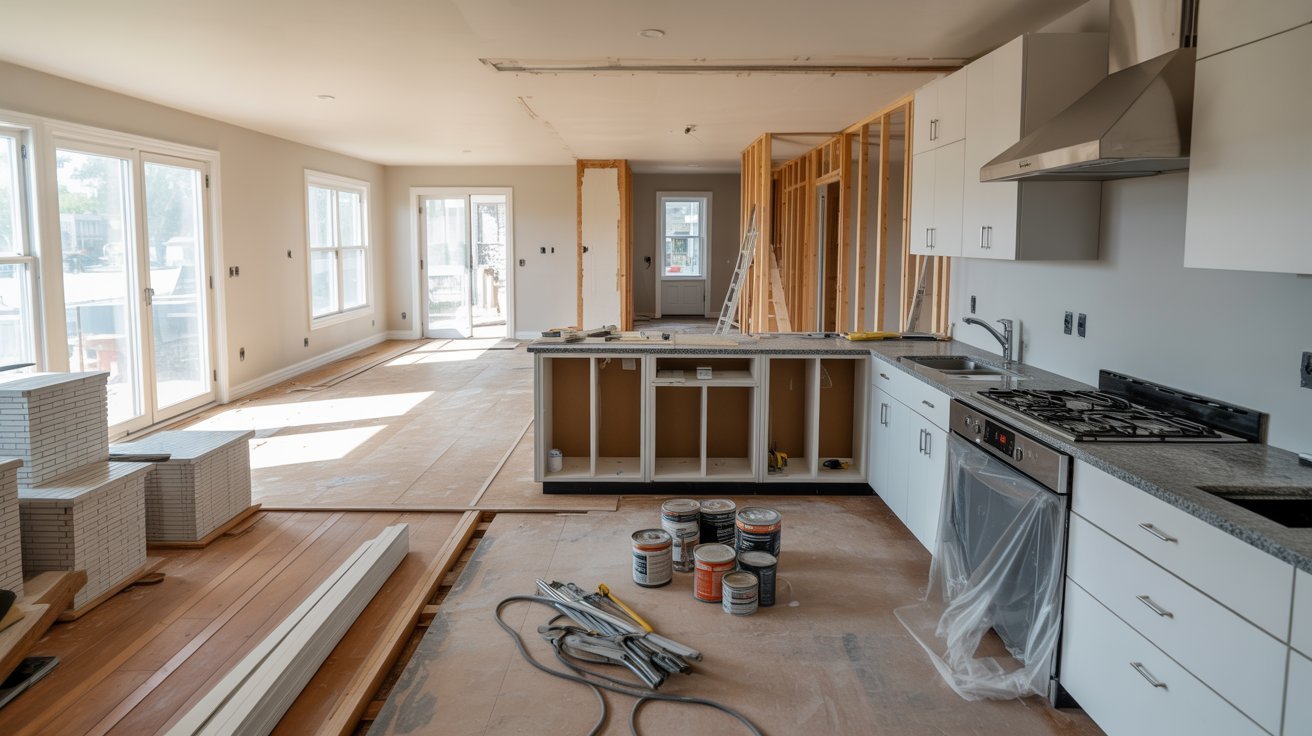
Most homeowners have no idea what to expect before that first contractor quote arrives.
House renovation costs range from $15,000 to $45,000 for basic cosmetic updates, $50,000 to $150,000 for mid-range work like kitchen and bathroom upgrades, and $200,000 or more for full gut renovations.
Per square foot, expect to pay $10 to $60 for basic work and $150 to $400+ for high-end finishes. For a complete renovation, most homeowners spend between $100,000 and $400,000.
A 1,500 sq ft home with mid-range finishes typically runs $90,000 to $180,000.
Real House Renovation Cost Examples
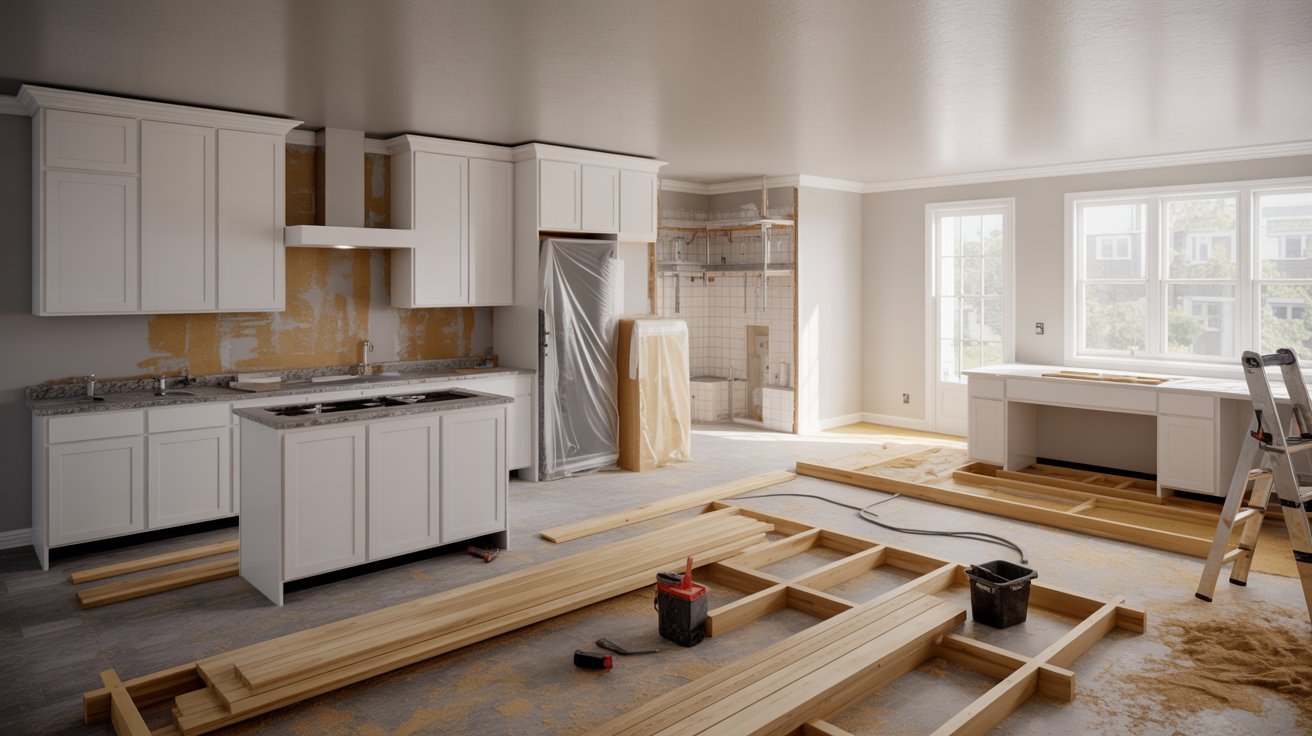
Numbers are easier to understand with real context. Here’s what actual homeowners paid for their renovations.
Small Home
A homeowner with a 900 sq ft home renovated the flooring, bathrooms, kitchen, and paint. Total cost: $42,000. They kept the layout the same, which kept costs low.
Mid-Size Home
A 1,800 sq ft home had both bathrooms, the kitchen, all windows, and hardwood flooring redone. Total cost: $128,000. Labor made up 35% of the budget, with cabinets and countertops as the biggest material expense.
Full Home
A 2,400 sq ft home got a complete gut renovation covering floors, walls, plumbing, electrical, HVAC, and all bathrooms. Total cost: $310,000. Hidden structural issues pushed the final bill 60% over the original estimate.
What the Numbers Show
Keeping the original layout saves significant money, and labor always takes up a large share of the budget. Older homes almost always come with surprise costs. High-end finishes can double your renovation budget quickly.
House Renovation Cost Breakdown
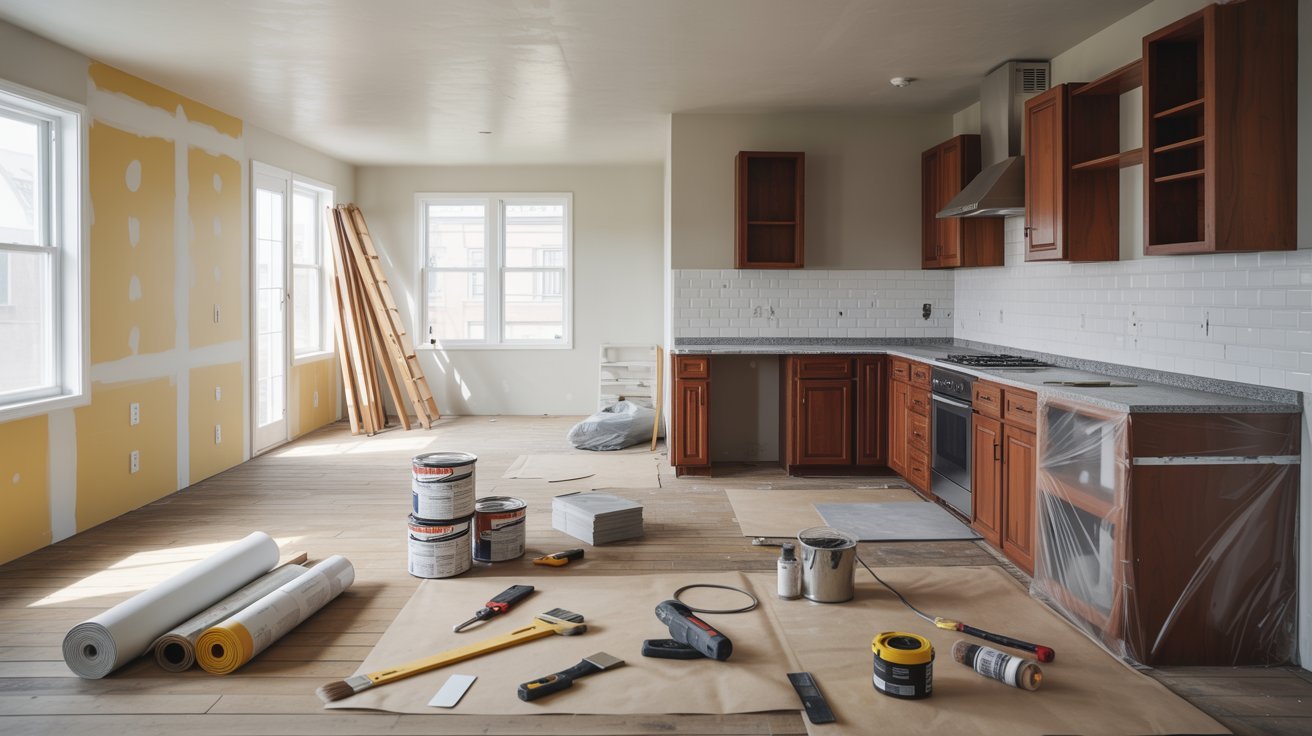
Understanding where the money actually goes helps you budget smarter from the start.
Labor
Labor makes up 30% to 50% of the total renovation cost. For a $100,000 project, that’s $30,000 to $50,000 on contractors, electricians, plumbers, and painters alone. Rates vary significantly depending on your location.
Materials
Budget materials like vinyl flooring and stock cabinets can save you 40% to 60% compared to premium options. Premium materials like hardwood floors and custom cabinets can easily double your costs. Go mid-range on visible surfaces and budget on what’s hidden.
Permits and Fees
Permits run $500 to $5,000+ depending on the scope of work. Design fees typically cost $2,000 to $15,000, and inspections add another $300 to $700. Never skip permits as unpermitted work creates serious problems when selling.
Hidden Costs
Common surprises include water damage, mold remediation ($500 to $6,000+), outdated wiring, and asbestos removal ($1,000 to $3,000+). These costs catch most homeowners off guard. Always add a 10% to 20% contingency before you start.
Whole House Renovation Cost by Scope
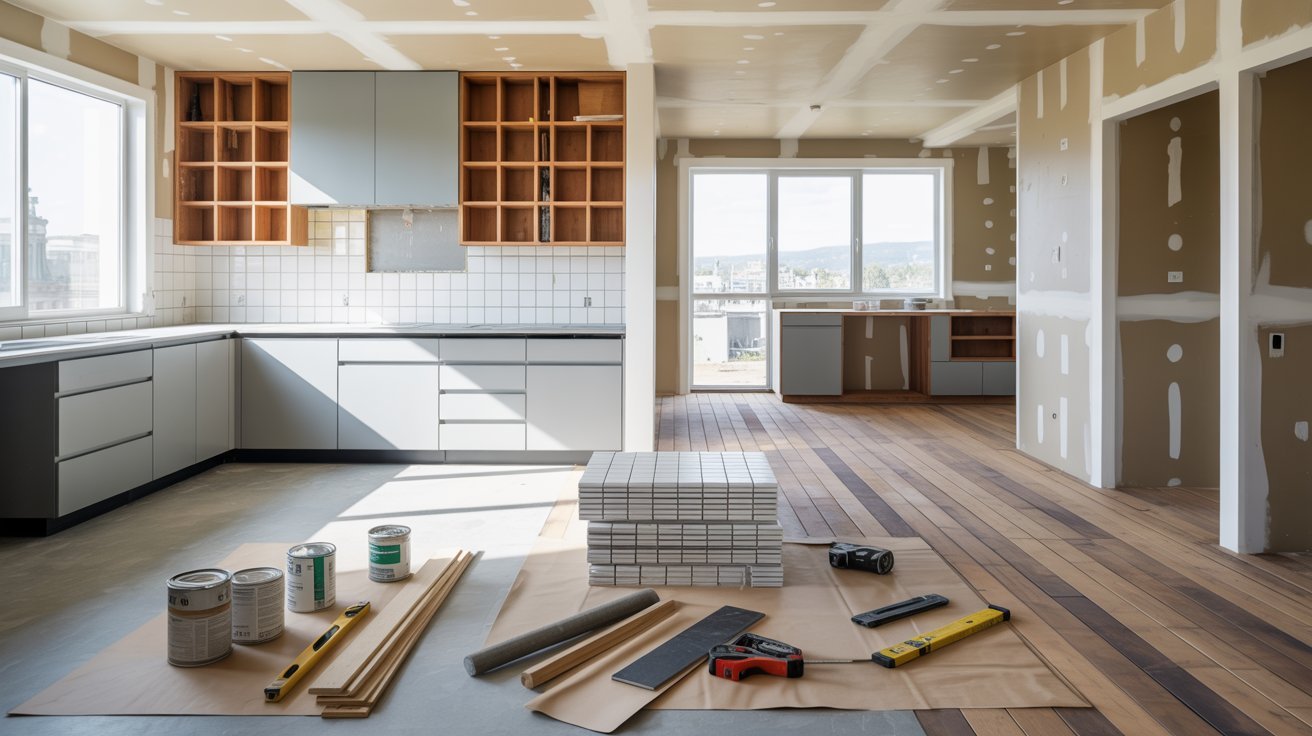
The scope of your project shapes your budget more than almost anything else.
Basic
Basic renovations cover paint, flooring, light fixtures, and cabinet hardware with no structural changes. The cost range is $15,000 to $45,000. Best for homes where the structure is already in good shape.
Mid-Range
Mid-range renovations include kitchen and bathroom remodels, window replacements, and possible HVAC updates. The cost range is $50,000 to $150,000. This is where most homeowners land and where return on investment is strongest.
High-End
High-end renovations involve full gut work, premium materials, custom finishes, and structural changes. The cost range is $150,000 to $400,000+. These projects typically take 6 to 18 months to complete.
Key Factors That Affect House Renovation Cost
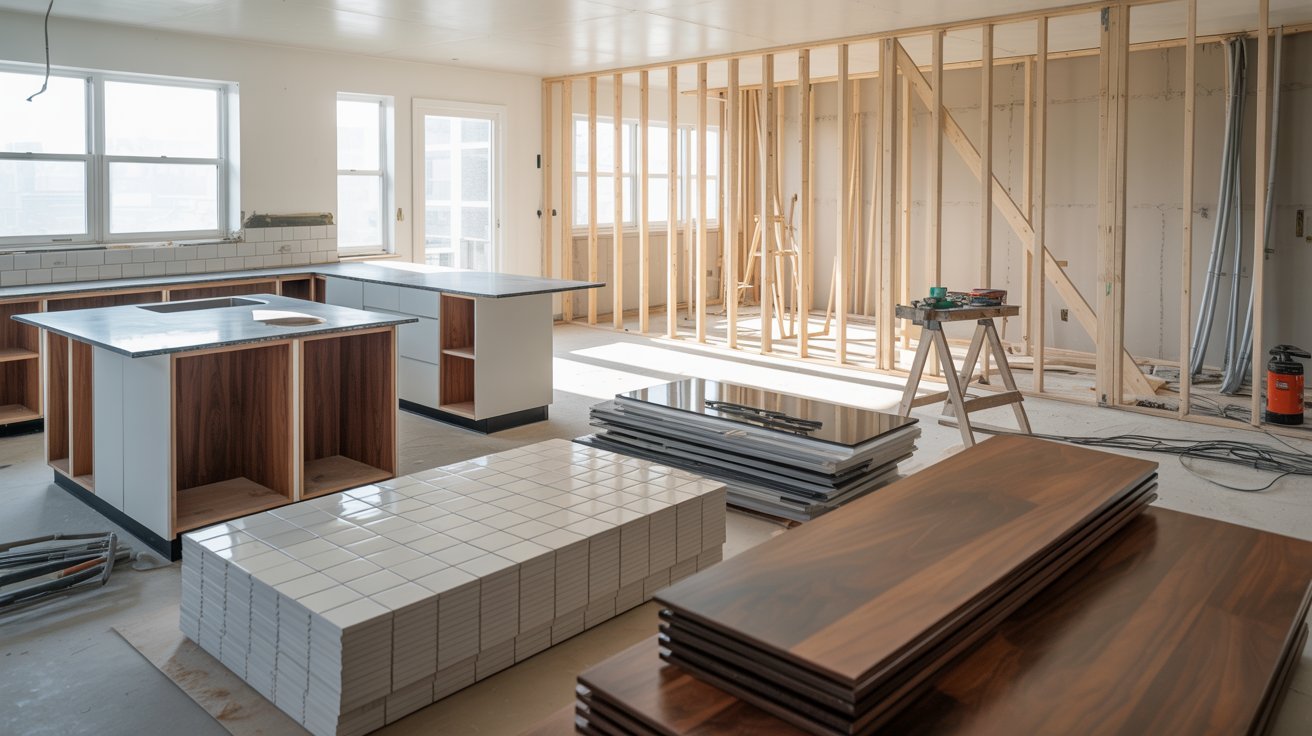
Knowing what drives your renovation cost helps you make better decisions before you spend anything.
Home Size
Bigger homes cost more to renovate across every category. More square footage means more materials, more labor, and longer timelines. A 3,000 sq ft home can cost three times more than a 1,000 sq ft home with the same scope.
Scope of Work
Moving walls, rerouting plumbing, or upgrading electrical panels adds serious cost to any project. Structural changes alone can add $10,000 to $50,000 or more. The more complex the work, the higher the final bill.
Material Quality
Choosing premium materials over budget ones can double or triple costs in some rooms. This matters most in kitchens and bathrooms where materials are already expensive. Your finish choices are one of the biggest variables you control.
Location and Labor
Labor rates in major cities run 30% to 50% higher than in rural areas for the same work. National averages rarely reflect what you’ll actually pay locally. Always get quotes from contractors in your area.
Home Age
Homes built before 1980 regularly come with costly hidden problems like outdated wiring, aging pipes, and failing insulation. These issues only show up once work begins. Budget more for surprises if your home is older.
Tips to Reduce House Renovation Cost
You can save real money on a renovation without cutting corners on quality.
- Plan your renovation at least a month in advance
- Compare material prices before committing to anything
- Book contractors in fall or winter for lower rates
- Always get at least three contractor quotes
- Don’t just pick the cheapest bid, check reviews and scope
- Spend on visible materials, save on what’s hidden
- Stick to the existing layout to avoid costly structural changes
Conclusion
House renovation costs range from $15,000 for basic updates to $400,000 or more for full gut renovations.
I’ve seen large budgets blown because someone skipped the planning phase, and tight budgets stretch surprisingly far because someone planned every detail.
A solid plan matters more than the number in your bank account. Start with research, get multiple quotes, and always keep a contingency fund ready.
If this article helped you, drop a comment below and tell me what you’re planning. And share this with someone who’s about to start their own renovation.
Frequently asked questions
How much does a full house renovation cost?
A full house renovation typically costs between $100,000 and $400,000. The final number depends on the size of your home, the scope of work, and the quality of materials you choose.
What is the average cost per square foot for house renovation?
Most homeowners pay between $60 and $150 per square foot for a mid-range renovation. Basic cosmetic updates can run as low as $20 per sq ft, while high-end renovations can exceed $300 per sq ft.
What affects house renovation cost the most?
Labor costs, the scope of structural changes, material choices, and your home’s age are the biggest factors. Homes built before 1980 often carry extra costs due to outdated systems that need replacing.
How accurate are renovation cost estimates?
Initial estimates can be off by 15% to 30%, especially for older homes. Hidden issues like water damage, mold, or faulty wiring are common surprises. That’s why adding a 10–20% contingency to your budget is always a smart move.
Can I renovate a house on a tight budget?
Yes, but you’ll need to prioritize. Focus on cosmetic updates, avoid structural changes, and mix budget materials with a few quality splurges. Planning well in advance and comparing contractor quotes will stretch your money the furthest.