Planning a home addition but not sure how long it will take? You are not alone. Most homeowners feel lost the moment they start asking around.
This guide covers everything you need to know. We go through average timelines, a step-by-step phase breakdown, what causes delays, and tips to stay on schedule. Whether your project is big or small, you will find clear answers here.
With years of home improvement experience, we know what actually matters. Let us get straight to it.
How Long Do Home Additions Take on Average?

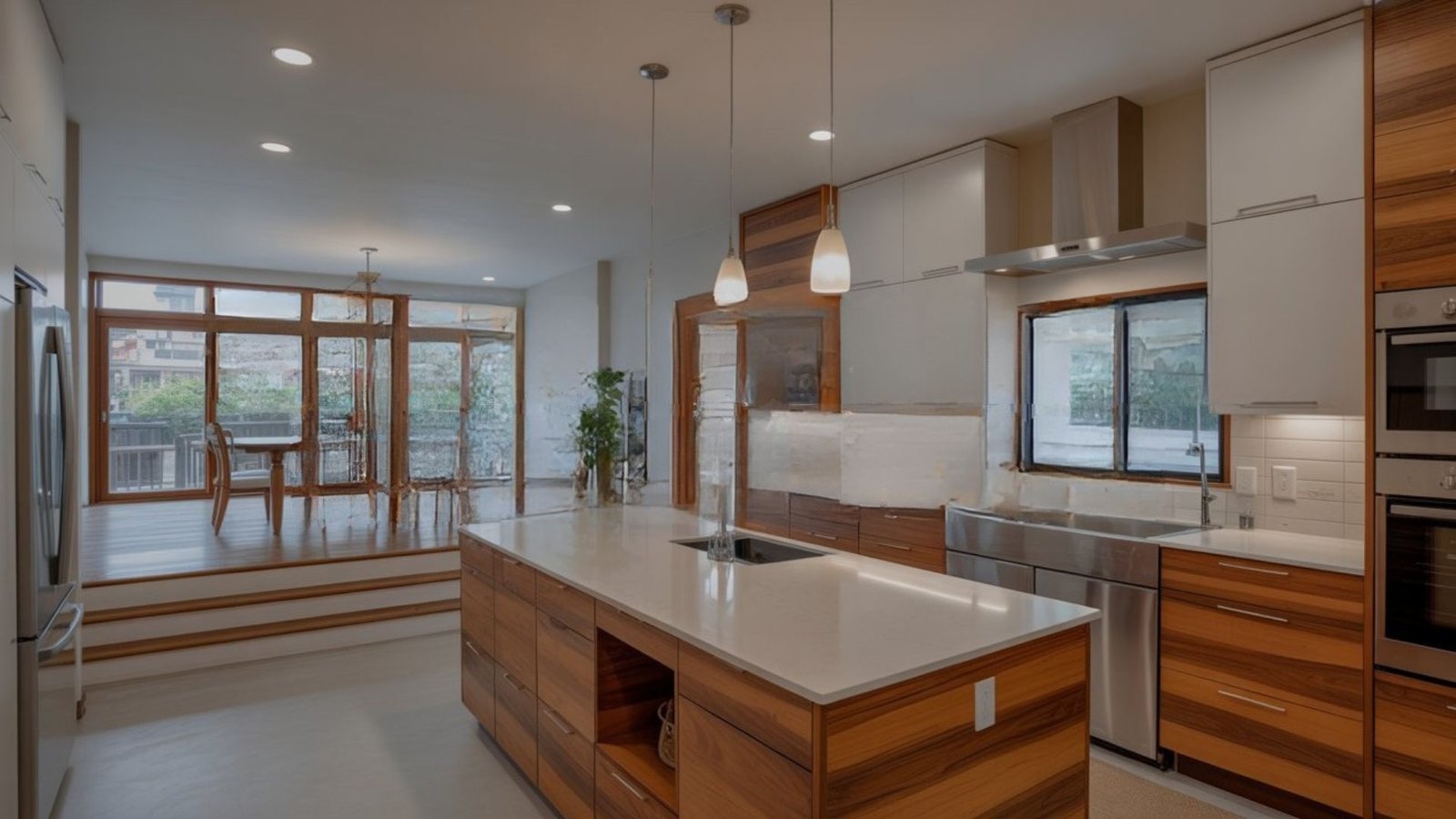
Most home additions take anywhere from 2 months to a full year.
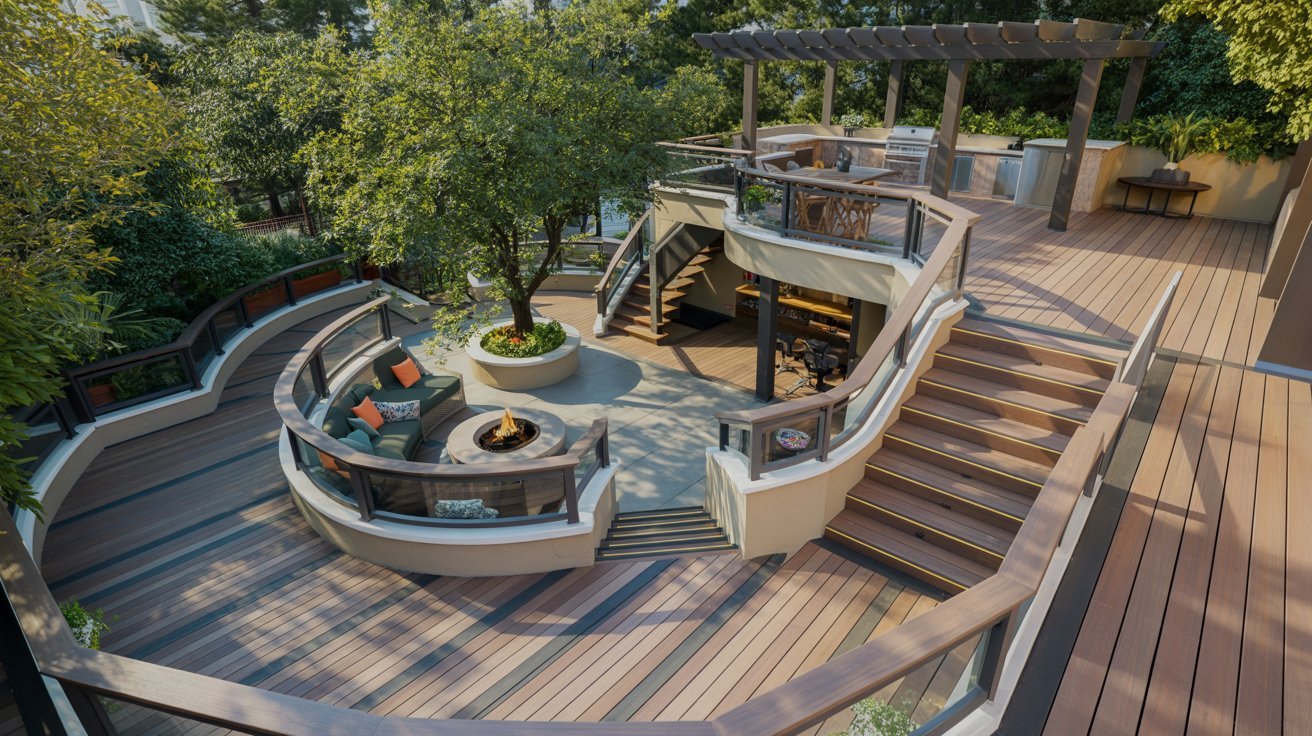
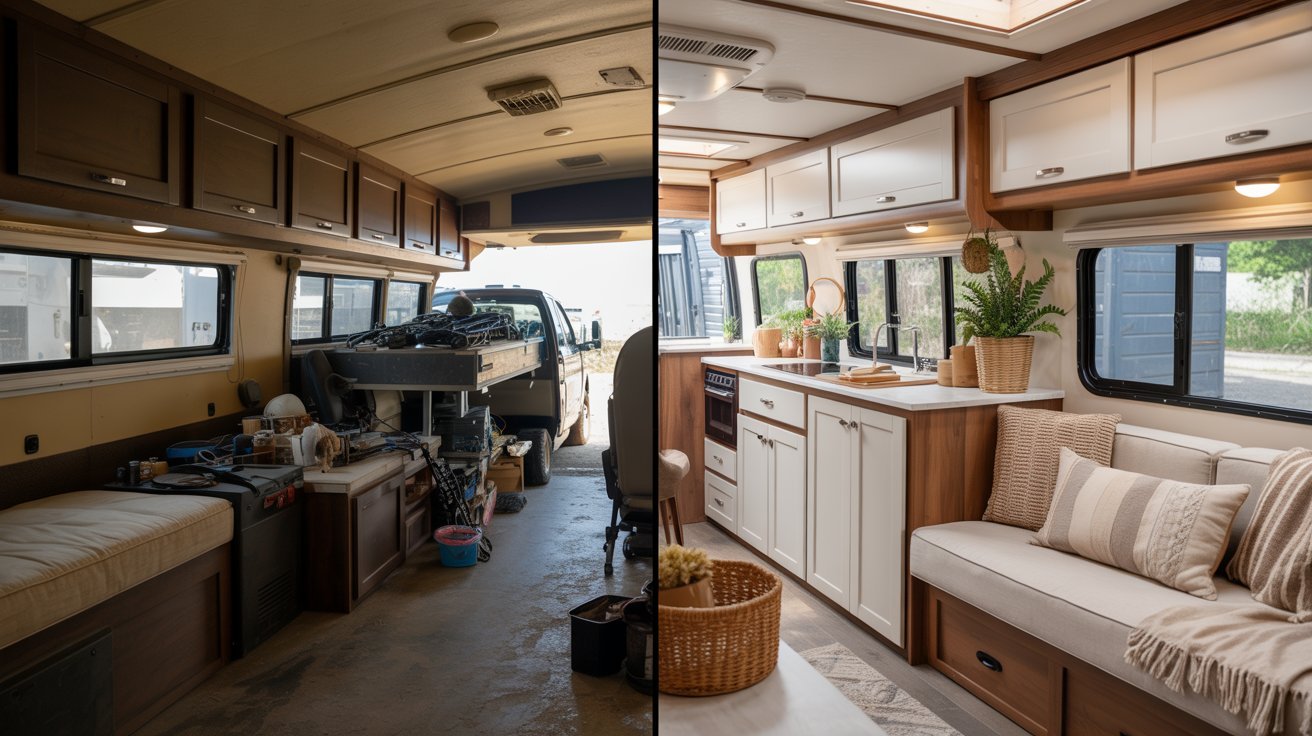
A small addition like a sunroom wraps up in 2 to 4 months. A mid-size project falls in the 4 to 6 month range. A larger addition like a second floor can take 6 to 12 months.
Every project is different though. Your location, contractor, design choices, and material availability all play a role.
One project might get permits in two weeks while another waits two months. Weather can push things back too.
Home Addition Timeline Breakdown (Step-by-Step)
Each phase of a home addition has its own timeline, and knowing what to expect helps you plan better.
Step 1: Planning and Design Phase (1 to 3 Months)
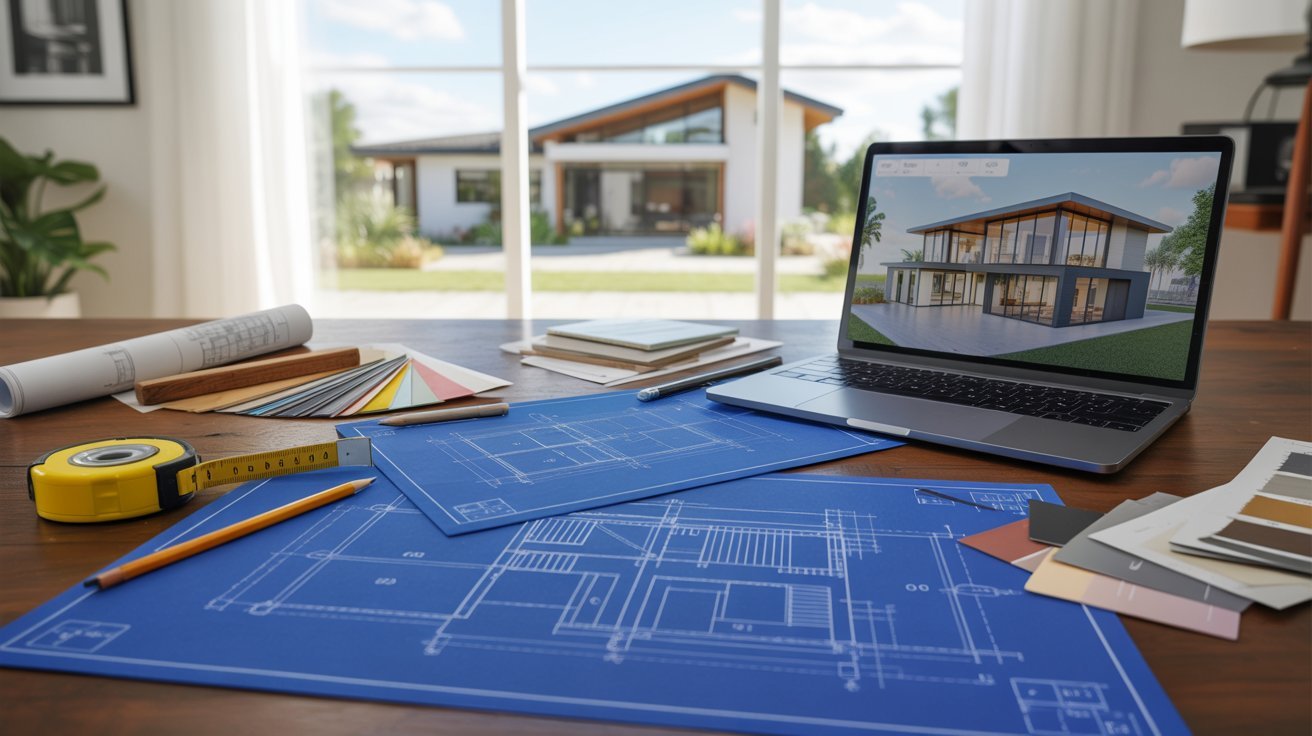
You meet with a designer, share your vision, and finalize plans. Changes here are normal. Sorting things out before breaking ground saves time and money later.
Step 2 : Permits and Approvals (1 to 2 Months)
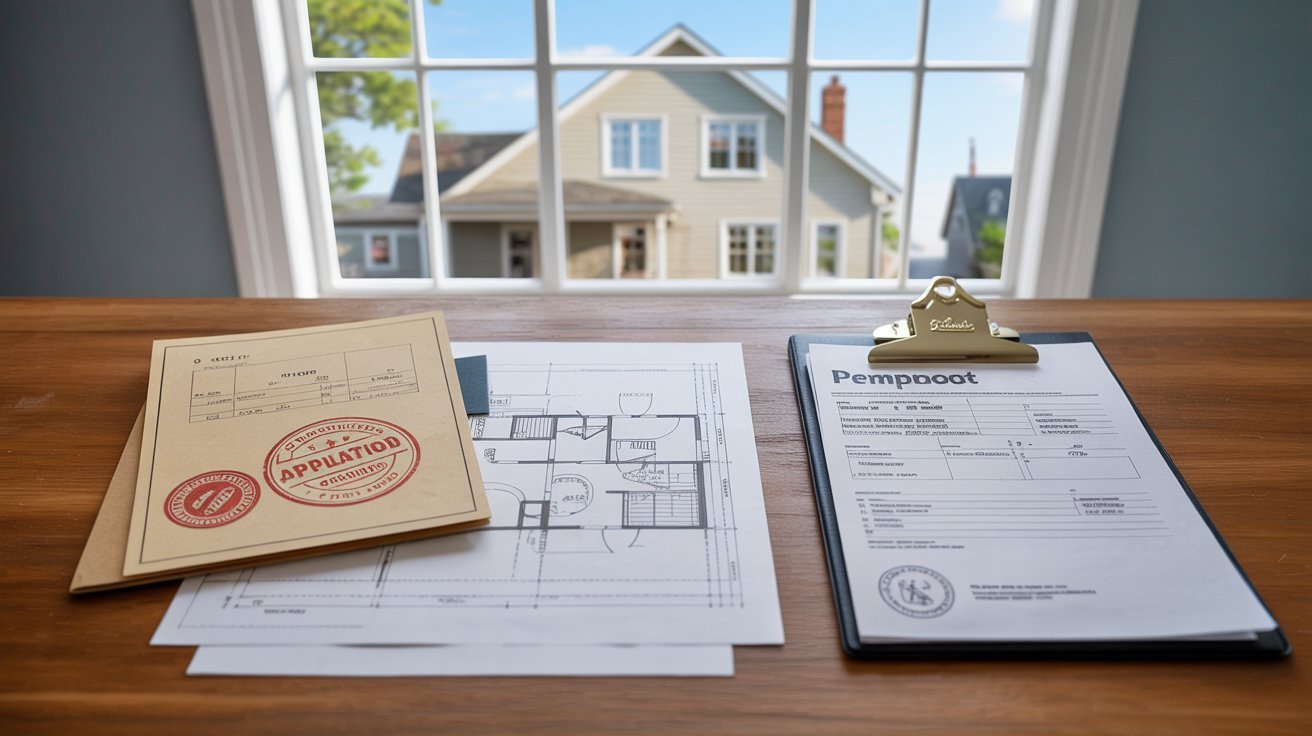
Plans go to your local building department once finalized. Some areas move fast. Others take months. You cannot start construction until permits are approved, so submit early.
Step 3 : Foundation and Structural Work
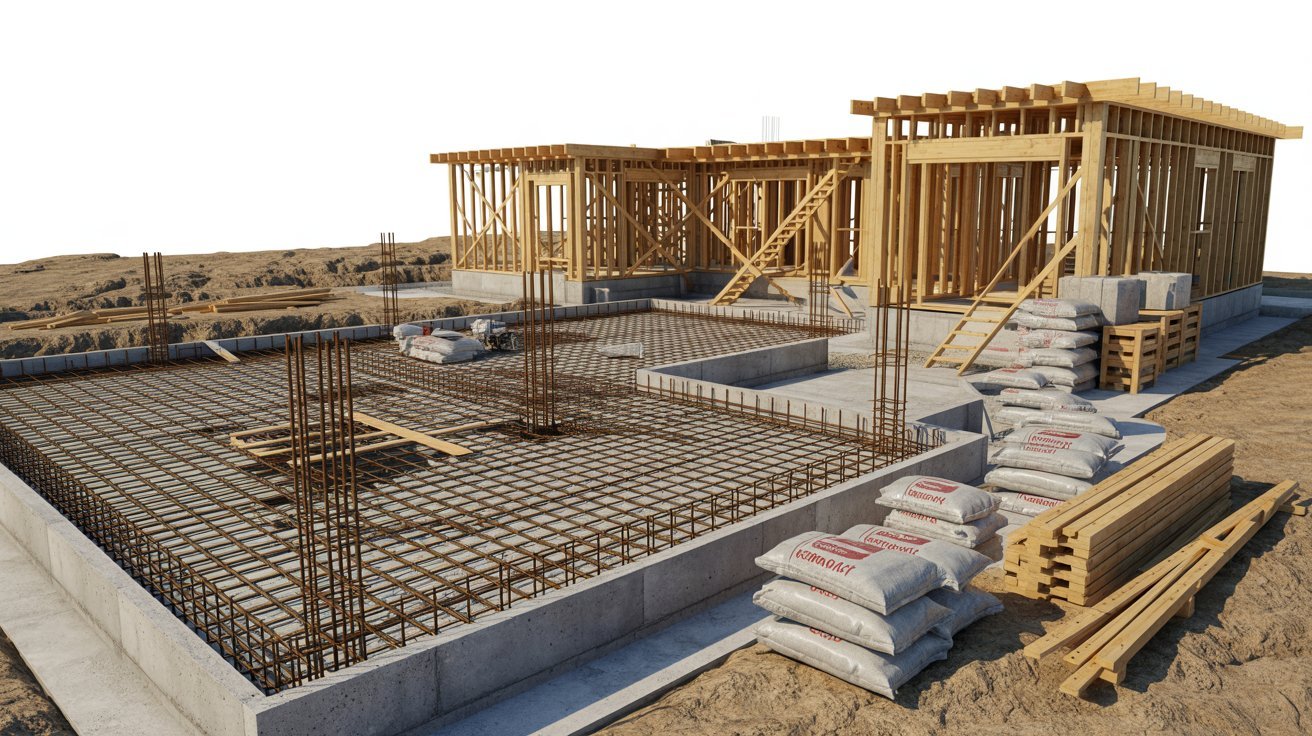
The crew digs, pours concrete, and waits for it to cure. This takes 1 to 3 weeks. Cold weather slows curing. Rain delays excavation. Build in a buffer for this phase.
Step 4 : Framing, Roofing, and Exterior
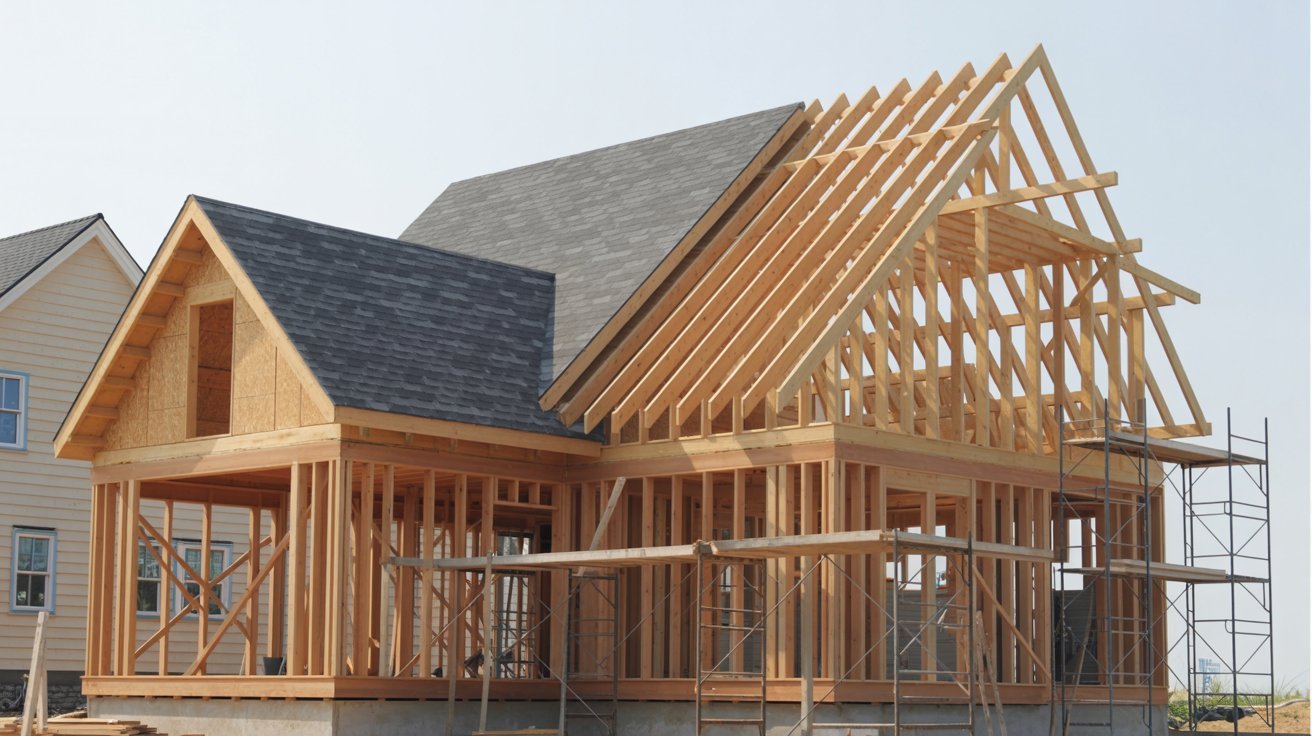
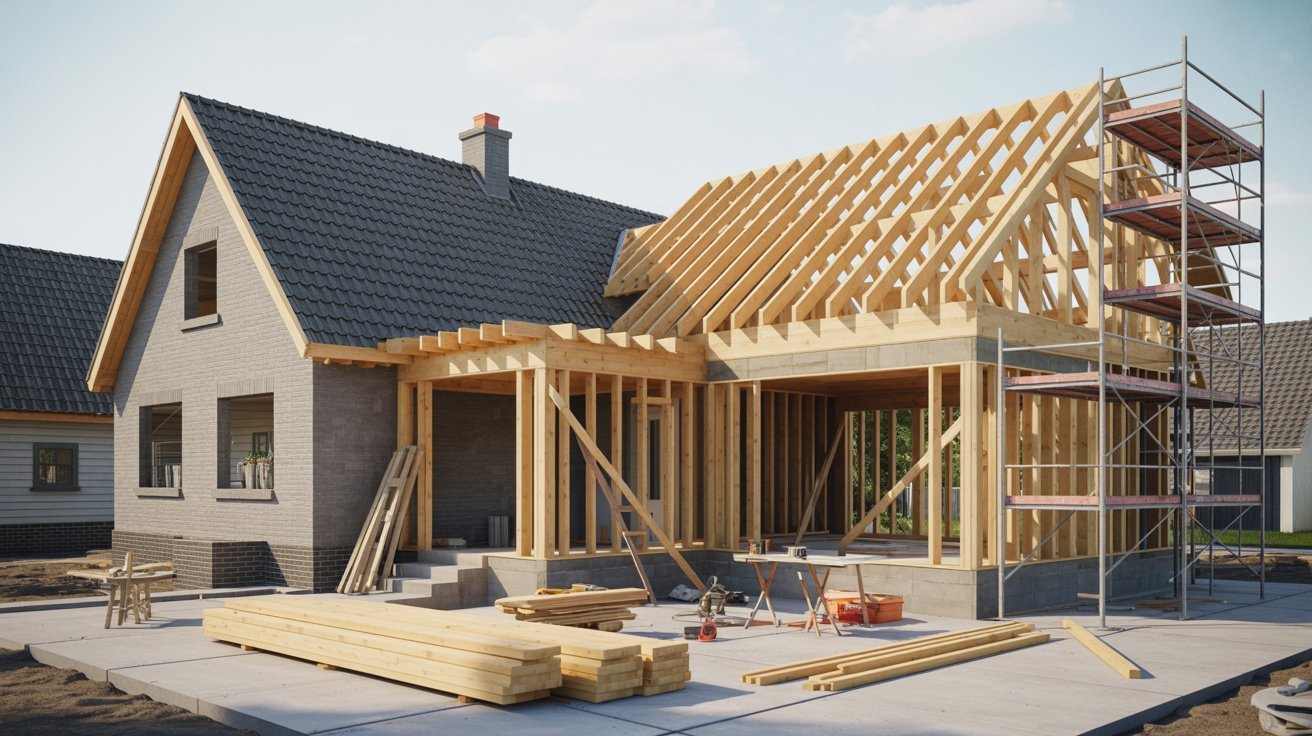
Walls go up, the roof takes shape, and the exterior gets closed in. This usually takes 2 to 4 weeks. Once the structure is weatherproof, interior work can begin.
Step 5 : Electrical, Plumbing, and HVAC Installation
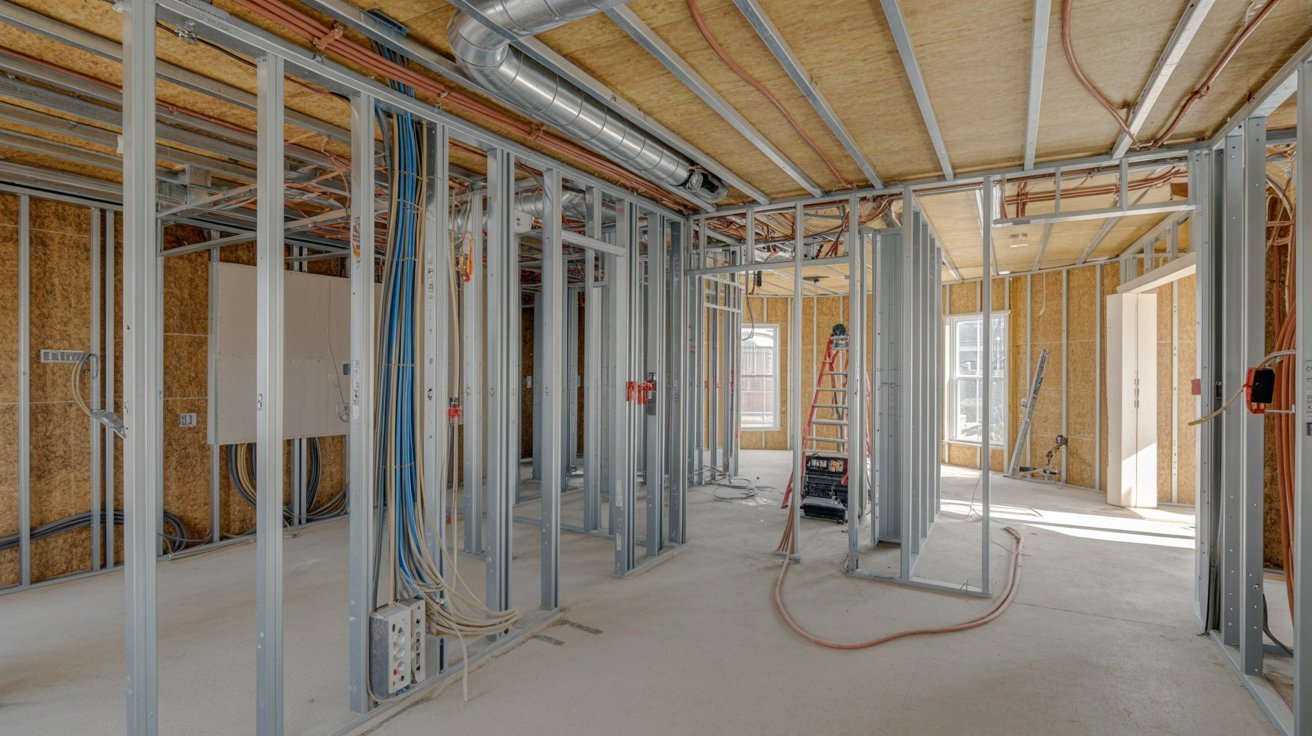
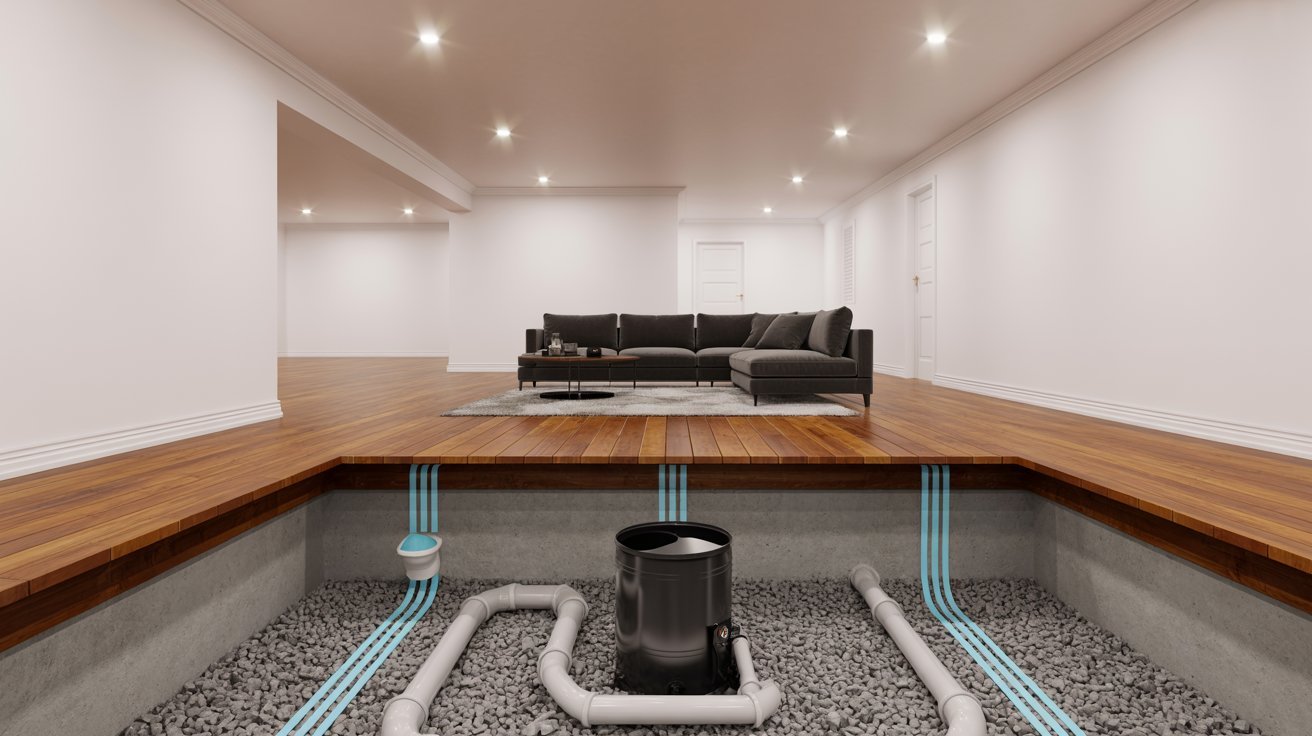
Electricians, plumbers, and HVAC techs run their lines before walls get covered. Each trade needs its own inspection, so schedule those slots in advance to avoid hold-ups.
Step 6 : Interior Finishing and Final Touches
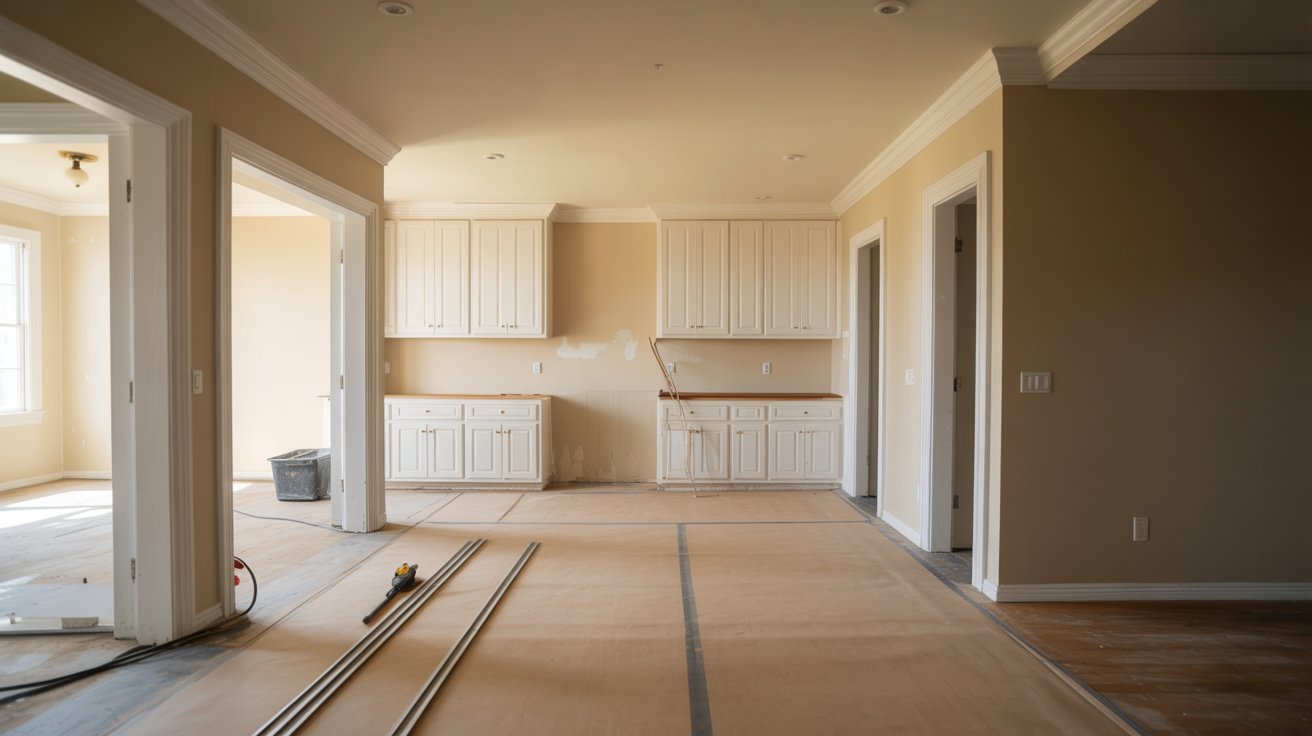
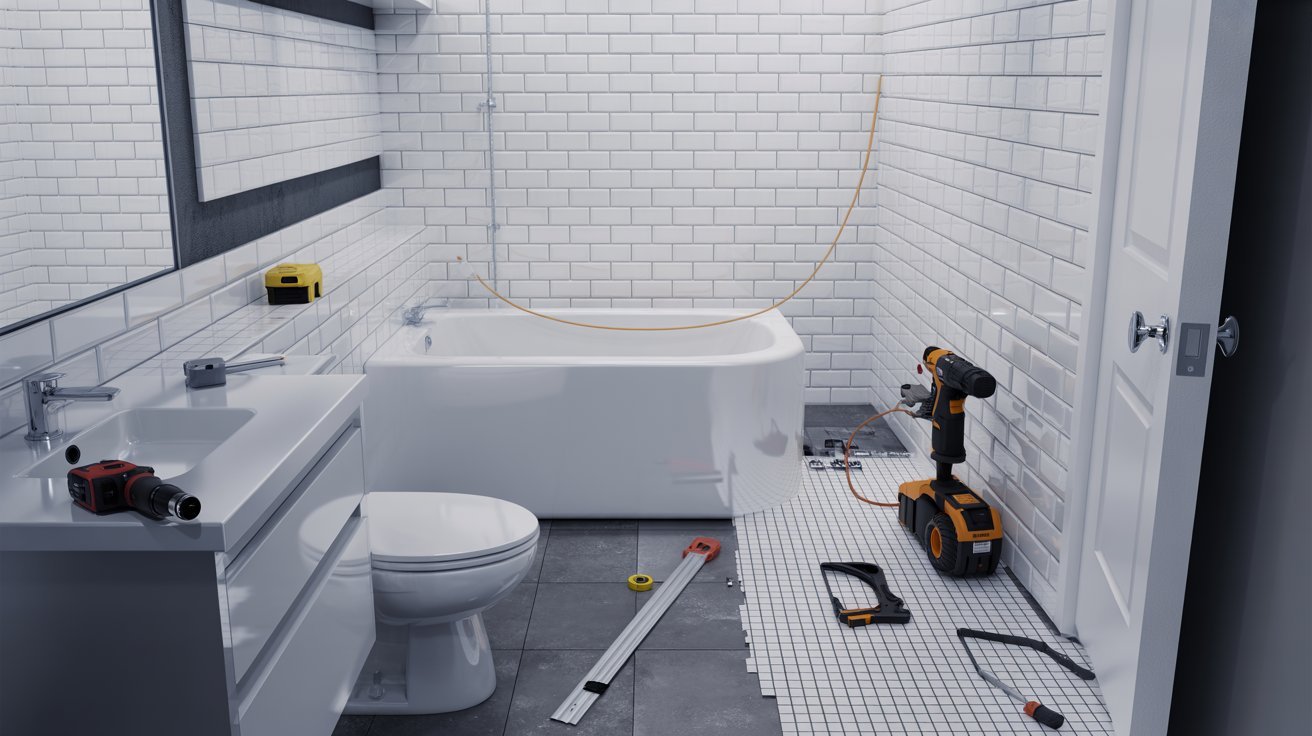
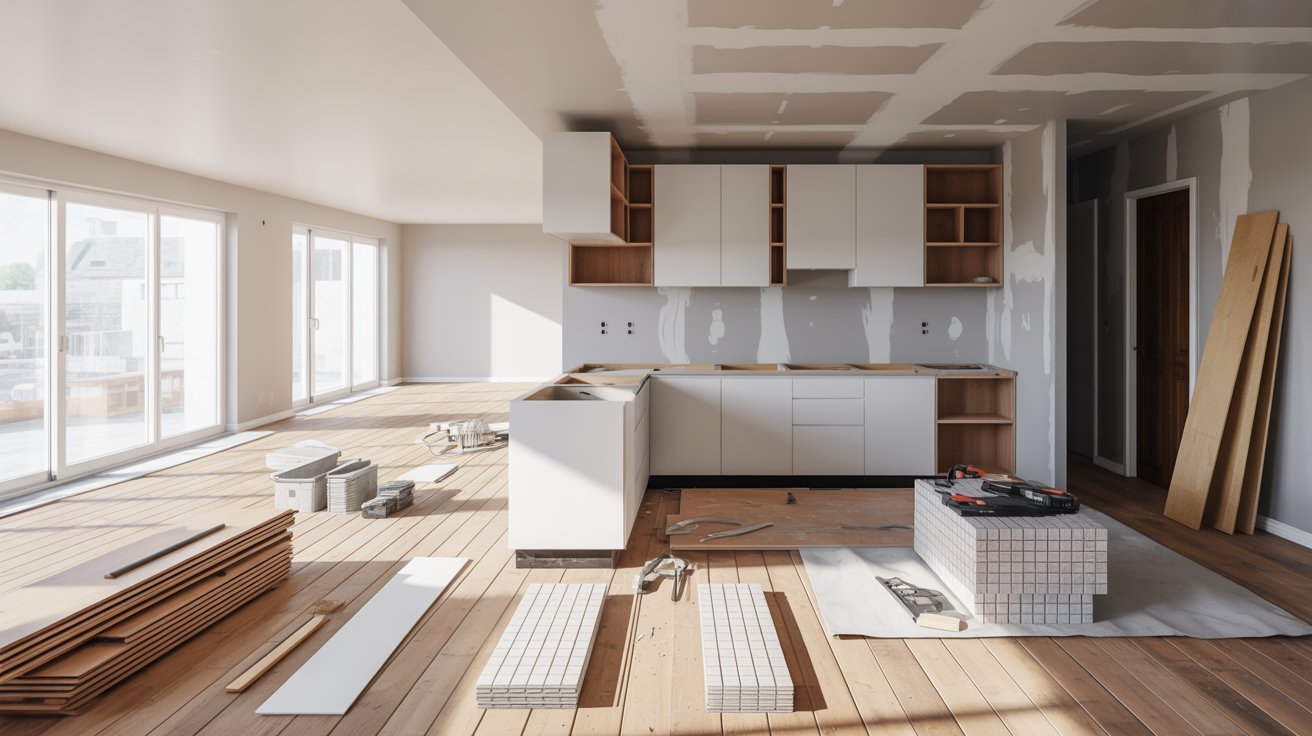
Drywall, flooring, paint, and fixtures fill in the final weeks. Custom materials slow this phase down the most. Stick to standard options if speed matters to you.
Step 7 : Final Inspection and Move-In
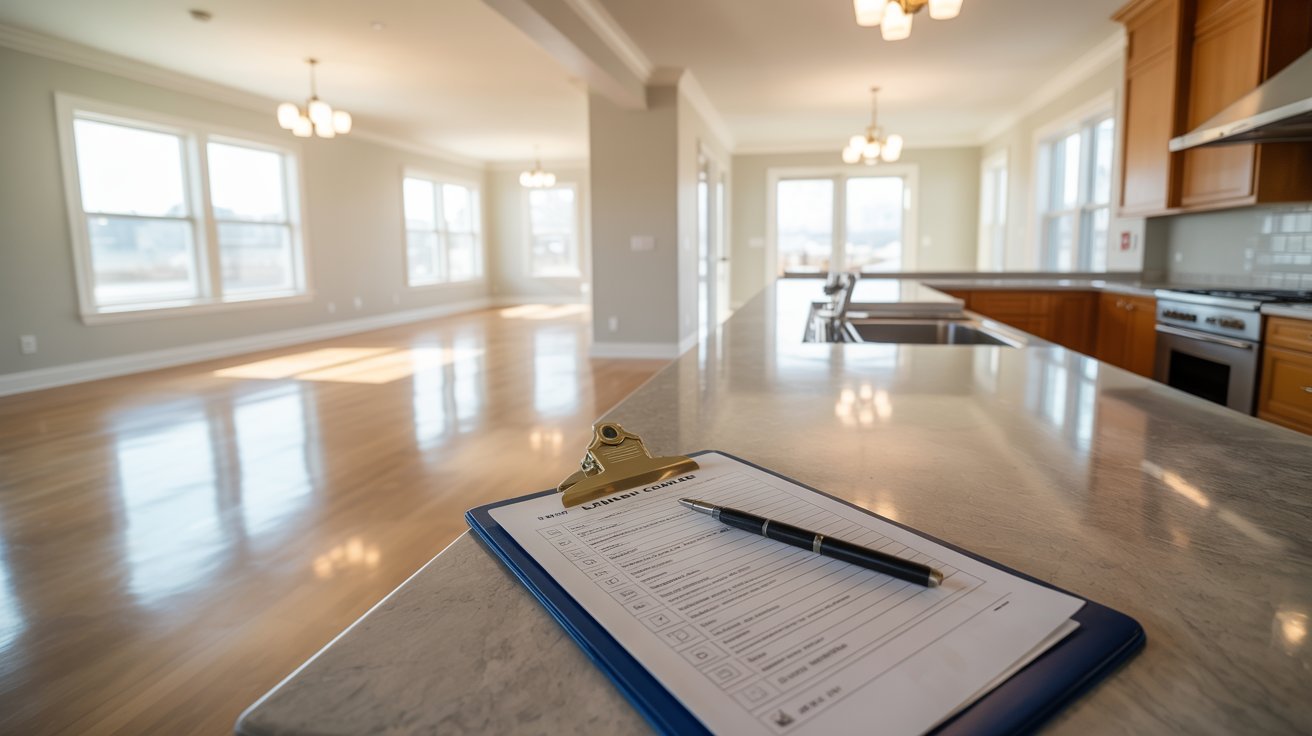
A final inspection is required before you can use the space. If everything passes, you get your certificate of occupancy. This last step can take a day or a few weeks.
Factors That Affect How Long Home Additions Take
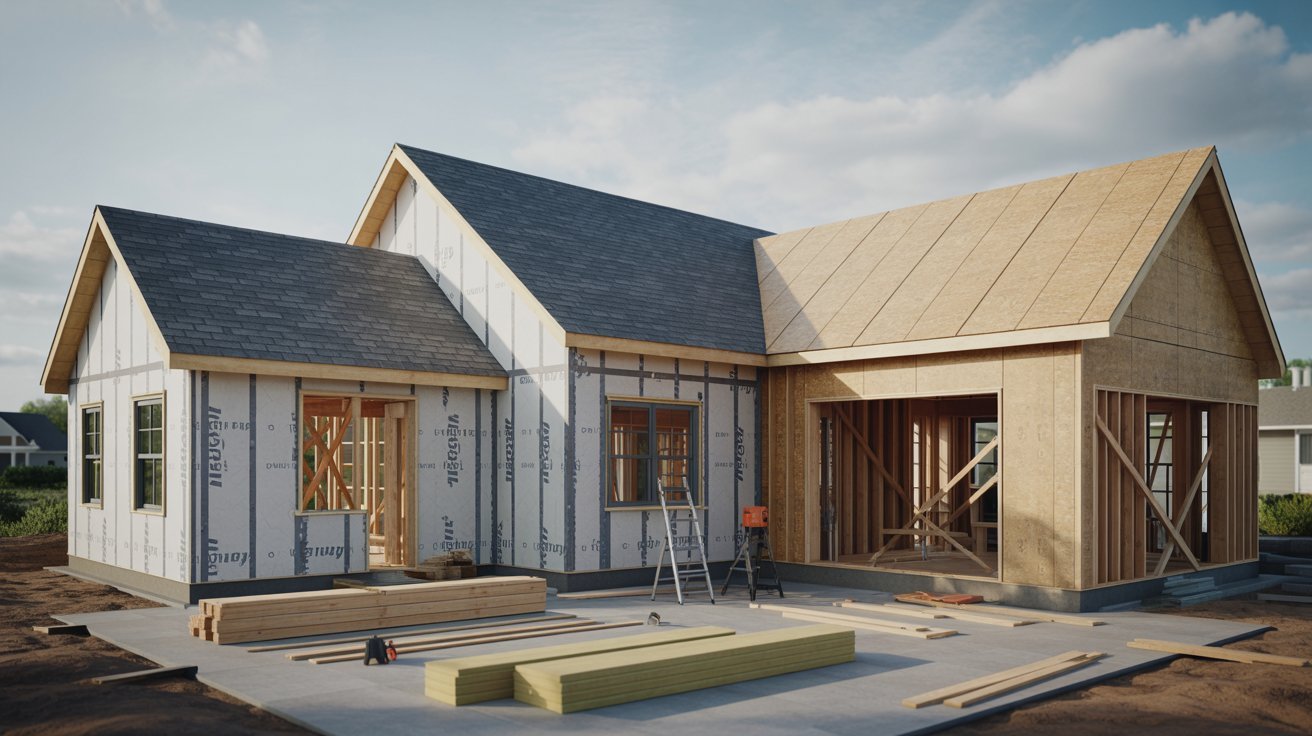
Many things outside your control can shift your timeline by weeks or even months.
Size and Complexity of the Project
A 200-square-foot room is very different from a 1,000-square-foot second floor. More space means more labor, more materials, and more time. Complex layouts add even more to the schedule.
Design Process and Custom Features
Custom designs take longer to finalize. More back-and-forth with your designer means a later start date. Simpler designs move faster from planning to build.
Permit Approvals and Local Regulations
Some cities process permits in two weeks. Others take three months. Projects that need HOA approval or variance requests take even longer. Plan for this from day one.
Weather Conditions and Seasonal Delays
Rain, snow, and extreme heat can all pause construction. Foundation work and exterior framing are most at risk. Starting in spring gives you the best shot at finishing before winter.
Labor Availability and Contractor Scheduling
Good contractors book up fast. You may wait weeks before your chosen contractor can start. Locking in your contractor early is one of the best things you can do.
Material Availability and Delivery Times
Custom windows, specialty tiles, and imported fixtures can hold up an entire project. Order materials as soon as plans are confirmed. Do not wait for the contractor to ask.
How Much Do Home Additions Cost by Timeline?
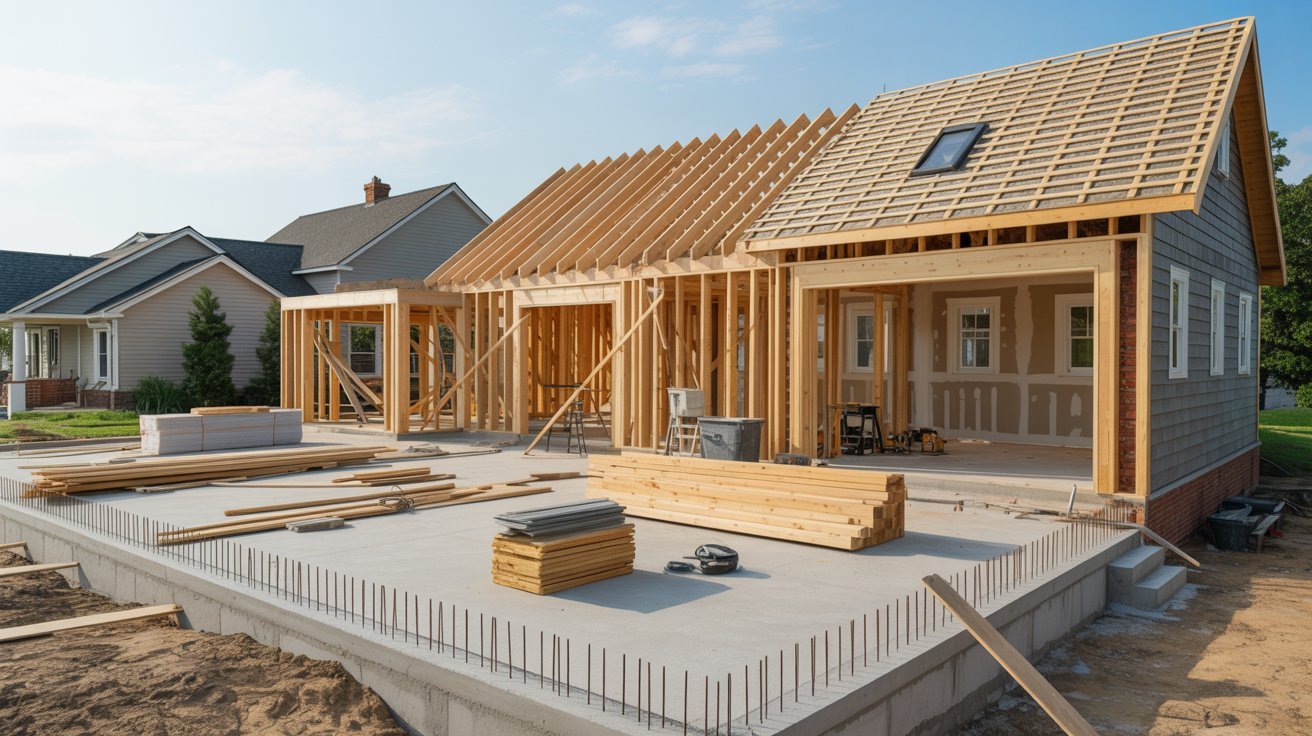
The length of your project and the cost are closely connected. Longer projects almost always cost more.
Small Additions (2 to 4 Months)
A small addition typically costs between $20,000 and $50,000. This covers basic room additions, sunrooms, or small bathroom expansions.
Mid-Size Additions (4 to 6 Months)
Projects in this range usually fall between $50,000 and $100,000. This includes larger room additions, garage conversions, or expanded living spaces.
Large Additions (6 to 12 Months)
A full second floor or major structural addition can run from $100,000 to $300,000 or more. Always keep a 15 to 20 percent contingency fund on hand.
Why Costs Shift Mid-Project
Hidden structural issues, supply chain delays, and design changes all add to the final bill. Sticking to your original plan as much as possible helps keep costs in check.
Realistic Example of a Home Addition Timeline
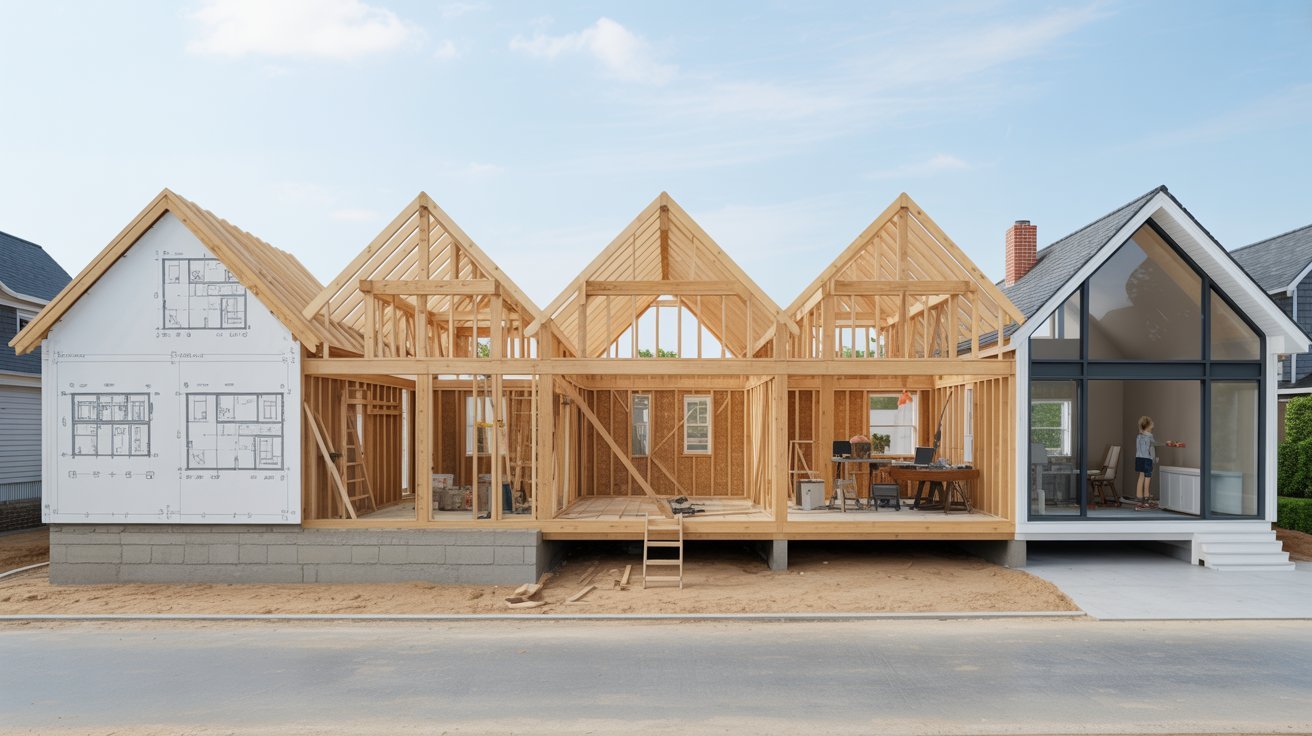
Here is what a 14-week home addition project looks like from start to finish.
Weeks 1 to 3: Foundation Phase
The crew excavates, pours the foundation, and lets it cure. Materials for the next phase get delivered and staged. Rain or cold weather here can push things back by days.
Weeks 4 to 8: Framing and Rough-In
Walls and the roof go up by week five or six. Electricians, plumbers, and HVAC techs begin rough-in work once framing is done. Book inspections early so you are not waiting on an inspector.
Weeks 9 to 14: Finishing and Completion
Drywall, flooring, paint, and fixtures come together. This phase has the most moving parts. The final inspection happens around week 13 or 14, and once it passes, the space is ready to use.
Smart Tips to Reduce Home Addition Delays
A little preparation goes a long way when it comes to keeping your project on schedule.
- Break the project into phases with clear start and end dates
- Check in with your contractor at least once a week
- Book inspections before each phase wraps up
- Stick to standard materials that are already in stock
- Set aside 10 to 20 percent of your budget as a buffer
Conclusion
Home additions take anywhere from 2 months to 1 year, and planning makes all the difference. Getting permits, materials, and your contractor lined up early keeps things on track.
From what I have seen, the smoothest projects involve homeowners who stay engaged, ask questions, and work with experienced professionals. That simple approach saves weeks of back-and-forth.
Planning a home addition? Start early and give yourself more time than you think you need. Drop a comment below or share this post with someone who is planning their own addition.
Frequently Asked Questions
How long do home additions take from start to finish?
Most home additions take between 2 months and 1 year. The timeline depends on project size, permit approvals, and how smoothly each phase goes.
Can a home addition be completed in 3 months?
A small, simple addition can be done in 3 months if permits move quickly and materials are ready. Larger projects will almost always take longer.
What causes delays in home addition projects?
Slow permits, bad weather, late material deliveries, and labor shortages are the most common causes. Last-minute design changes also push timelines back.
Do permits slow down construction timelines?
Yes, permits can add 1 to 2 months before construction even starts. Submitting your application as early as possible helps cut down the wait.
How can I speed up my home addition timeline?
Hire your contractor early, finalize your design before breaking ground, and order materials right away. Choosing standard finishes over custom ones also saves significant time.