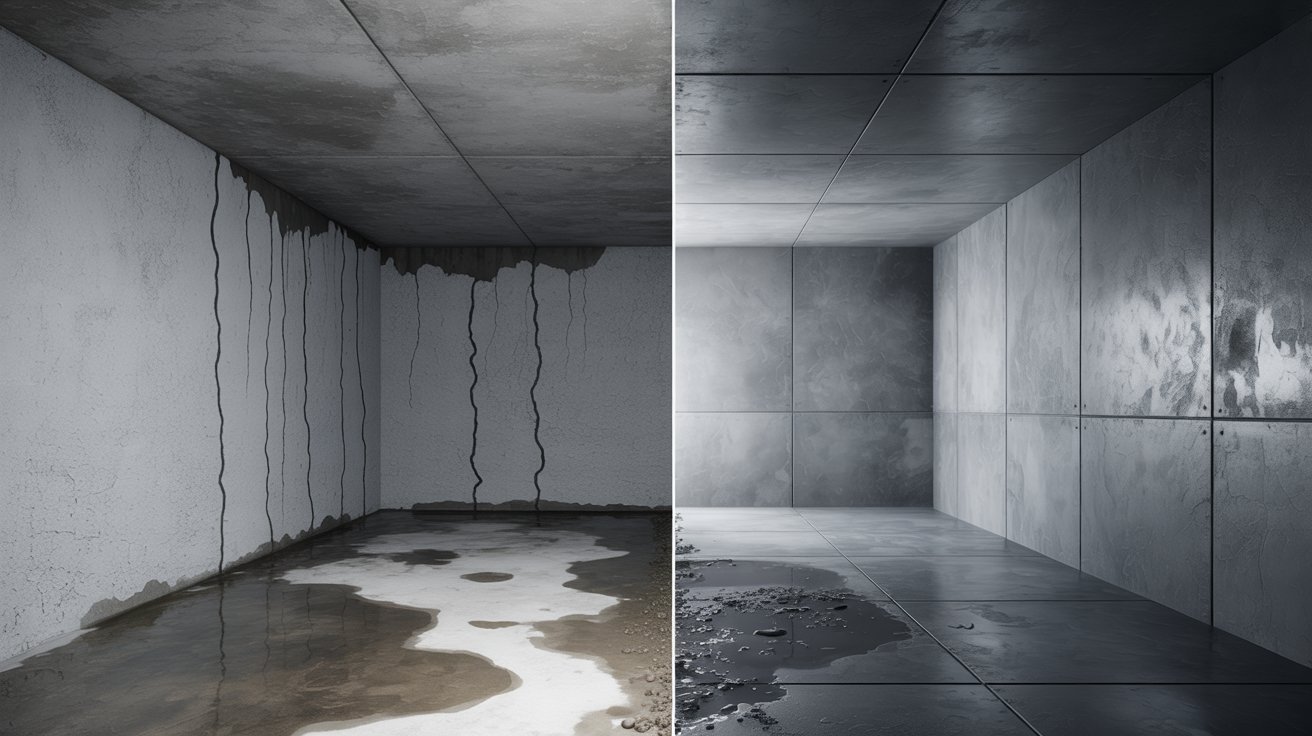
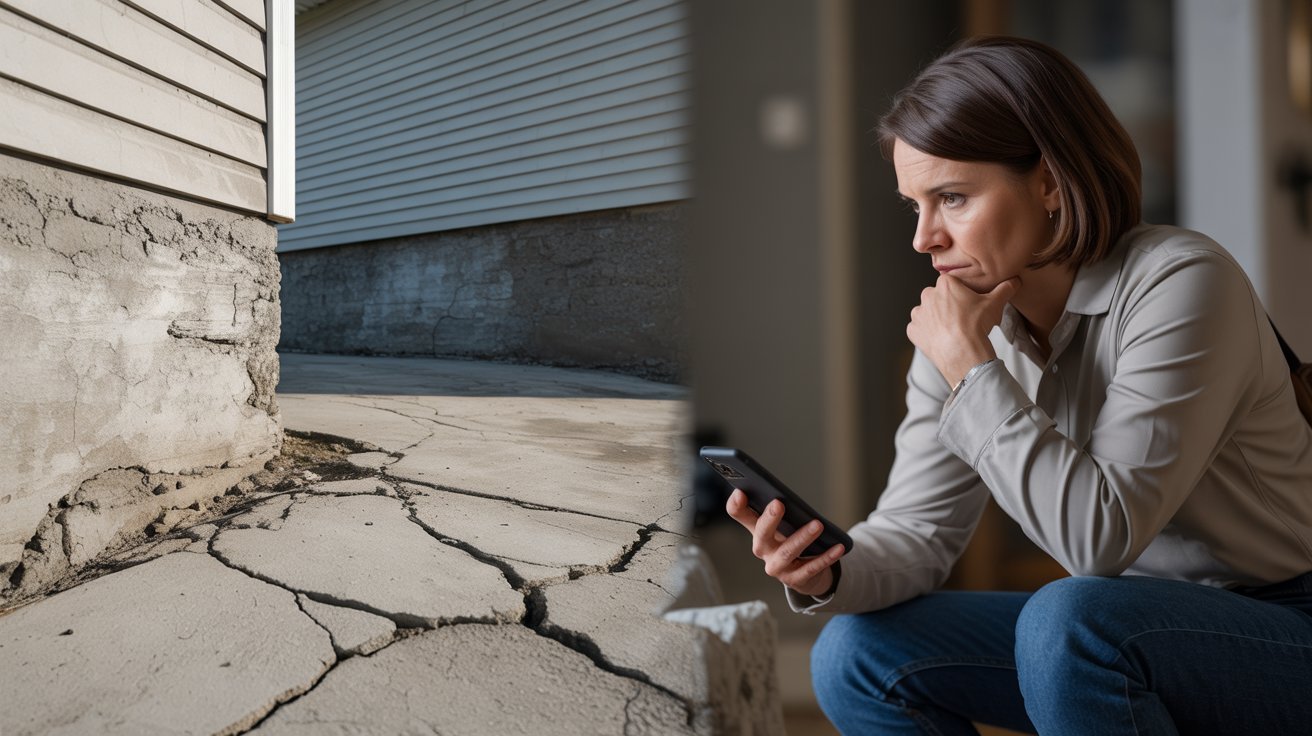
Finding cracks in a home’s foundation can stop you cold. You are not alone in wondering what to do next.
This blog covers the signs, causes, repair costs, and the real situations where walking away is the right call.
I will also show you when foundation problems are still worth taking on. I have helped buyers work through decisions like this, and the wrong move can cost thousands.
By the end, you will know exactly what to do and feel confident making the right call for your situation.
Why Knowing When to Walk Away from Foundation Issues Matters
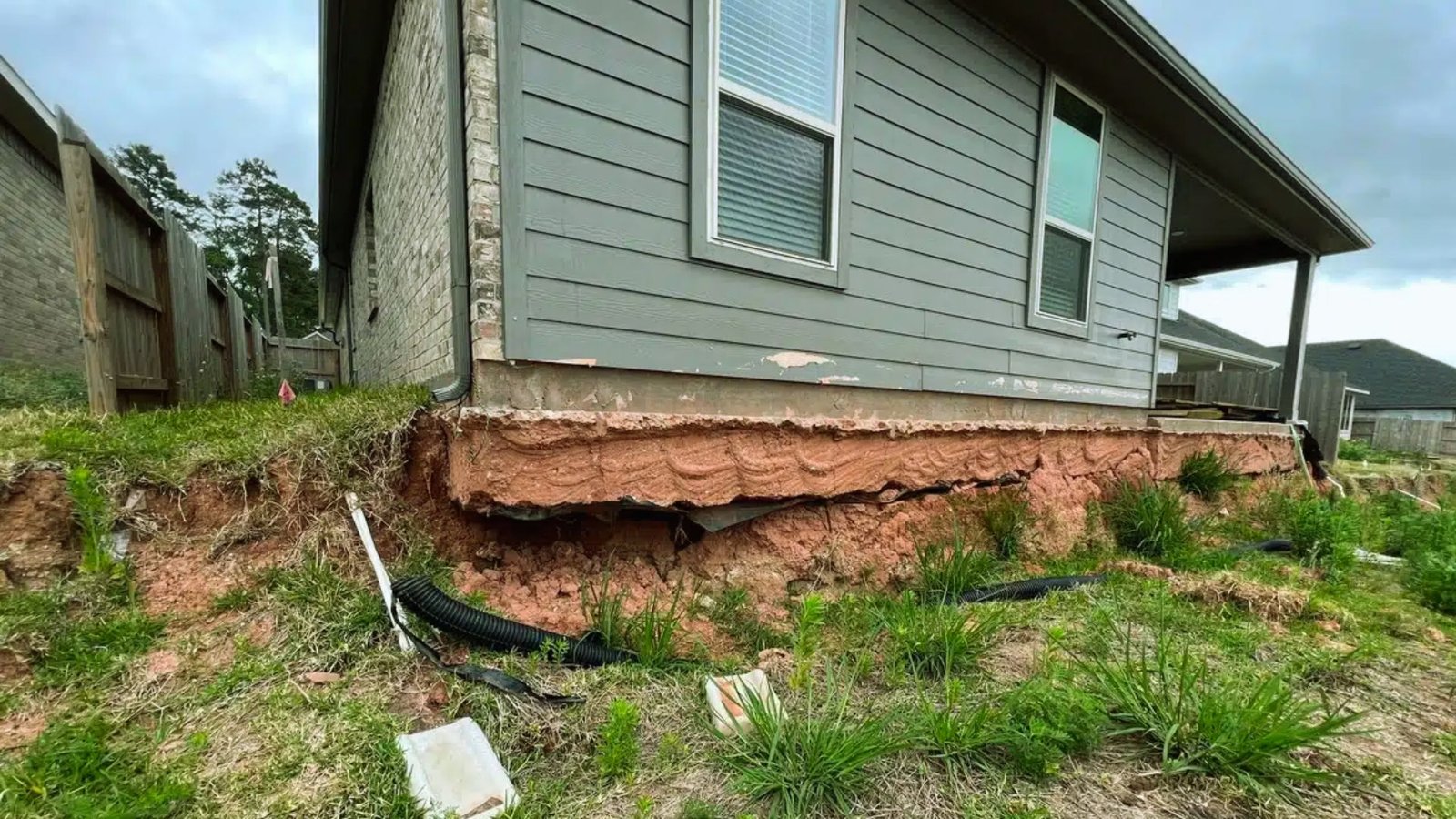
A weak foundation puts the whole structure at risk. Walls can shift and floors can buckle. Repairs can run from a few hundred dollars to tens of thousands.
If the cost matches or exceeds the home’s value, that is a serious warning sign. Foundation damage requires a logical response, not an emotional one.
Focus on the facts and get the numbers before deciding. A home with a history of foundation problems is also harder to sell and harder to insure, and that affects long term resale value.
Signs of Foundation Issues You Should Never Ignore
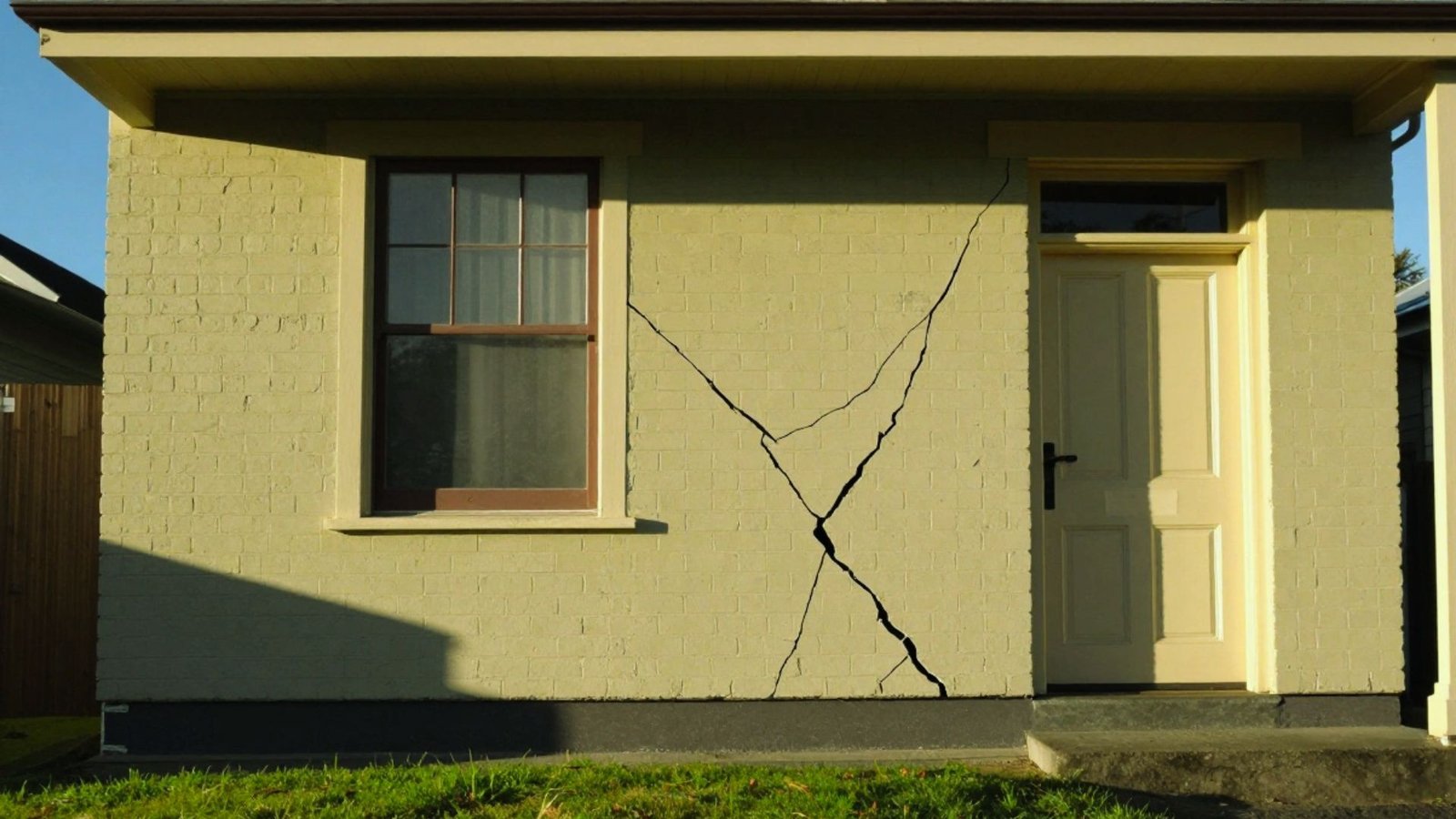
Some signs look small but point to serious problems. Catching them early can save you from a costly mistake.
Common Signs of Foundation Issues in a House
Watch for cracks in walls, ceilings, or floors, especially diagonal ones. Sloping floors, sticking doors, and gaps where walls meet the ceiling are all warning signs.
Any separation between the chimney and the main structure is also a concern. Multiple signs together are a strong red flag.
Minor vs Serious Foundation Issues
Hairline cracks in drywall are usually normal settling. Structural damage involves wide or horizontal cracks across multiple areas.
If cracks are wider than a quarter inch or doors will not close, get a structural engineer involved.
What Causes Foundation Issues
Knowing the cause helps you judge if the problem is likely to come back.
Soil Movement and Drainage Problems
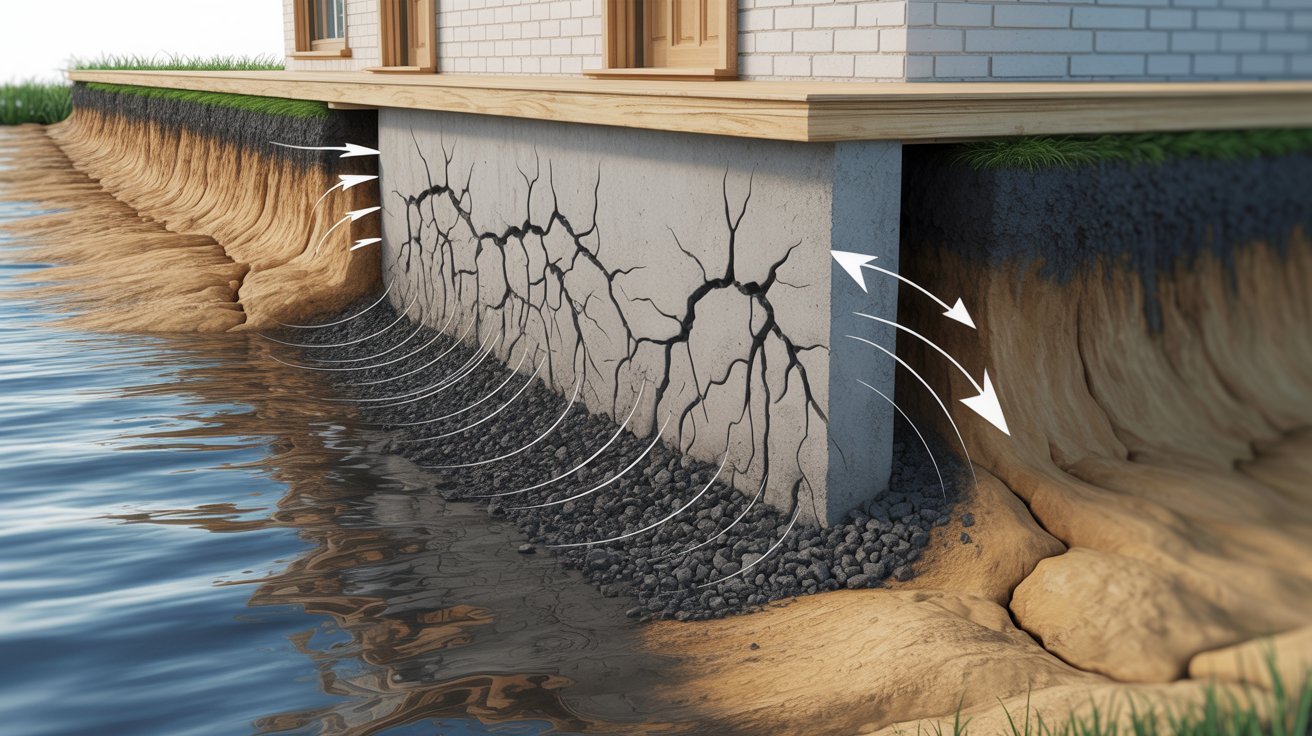
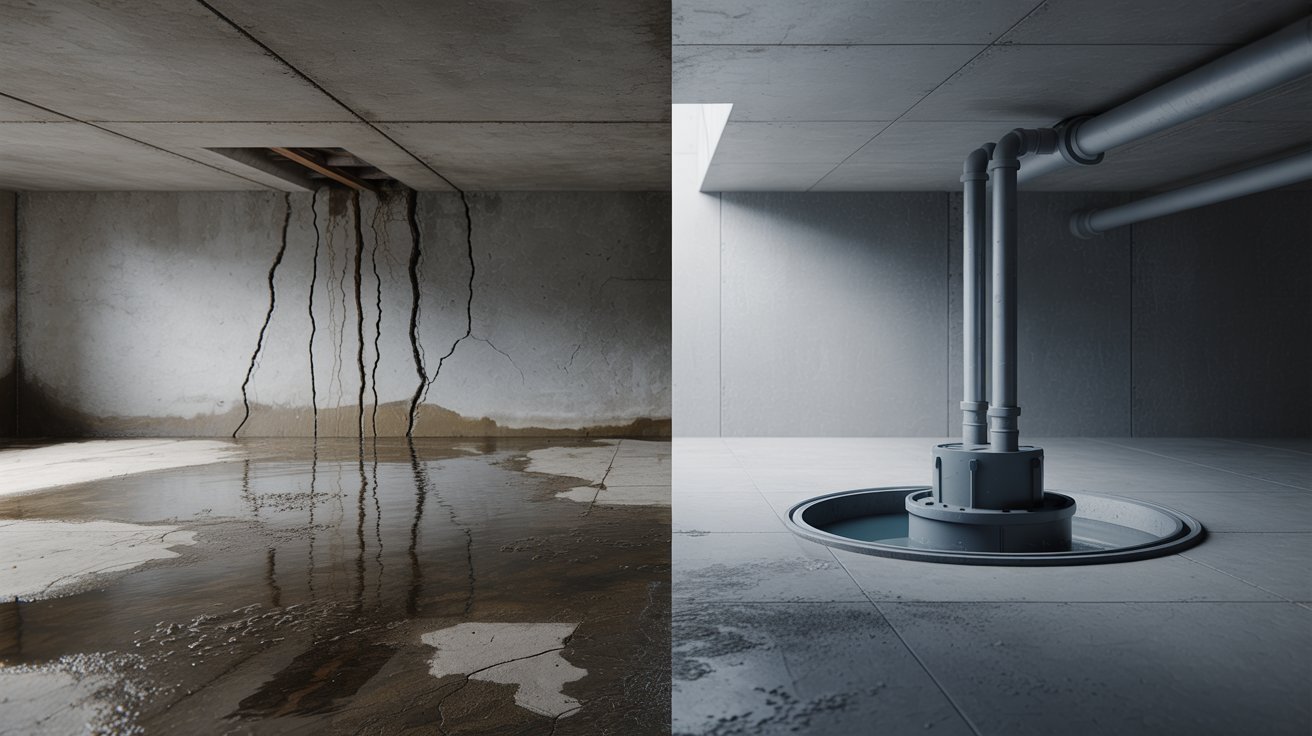
Expansive soils like clay swell when wet and shrink when dry. That repeated movement stresses foundation walls. Poor drainage makes it worse. If water flows toward the foundation instead of away, damage is more likely to return.
Construction and Structural Issues
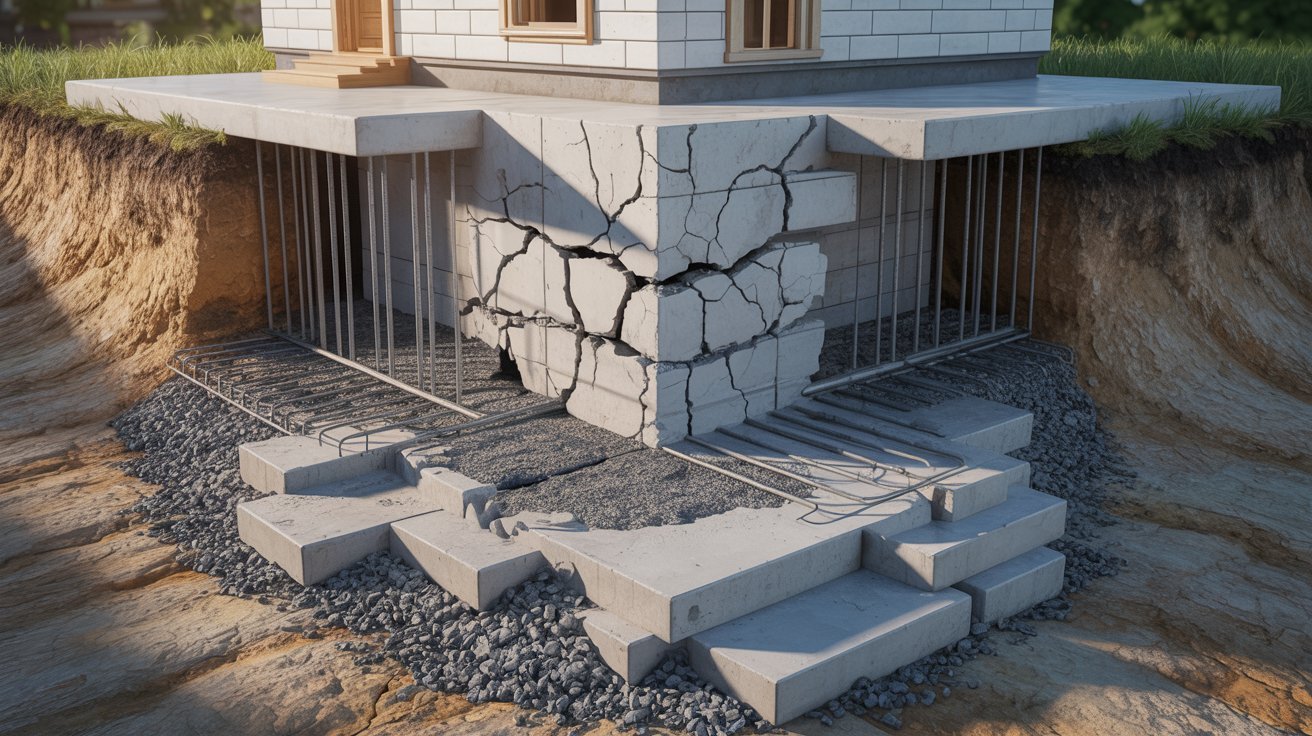
Foundations built with poor materials, improper footings, or no steel reinforcement can fail over time. Older homes built before modern standards are especially vulnerable. These problems are harder to fix because they are built into the structure.
When Should You Walk Away from Foundation Issues?
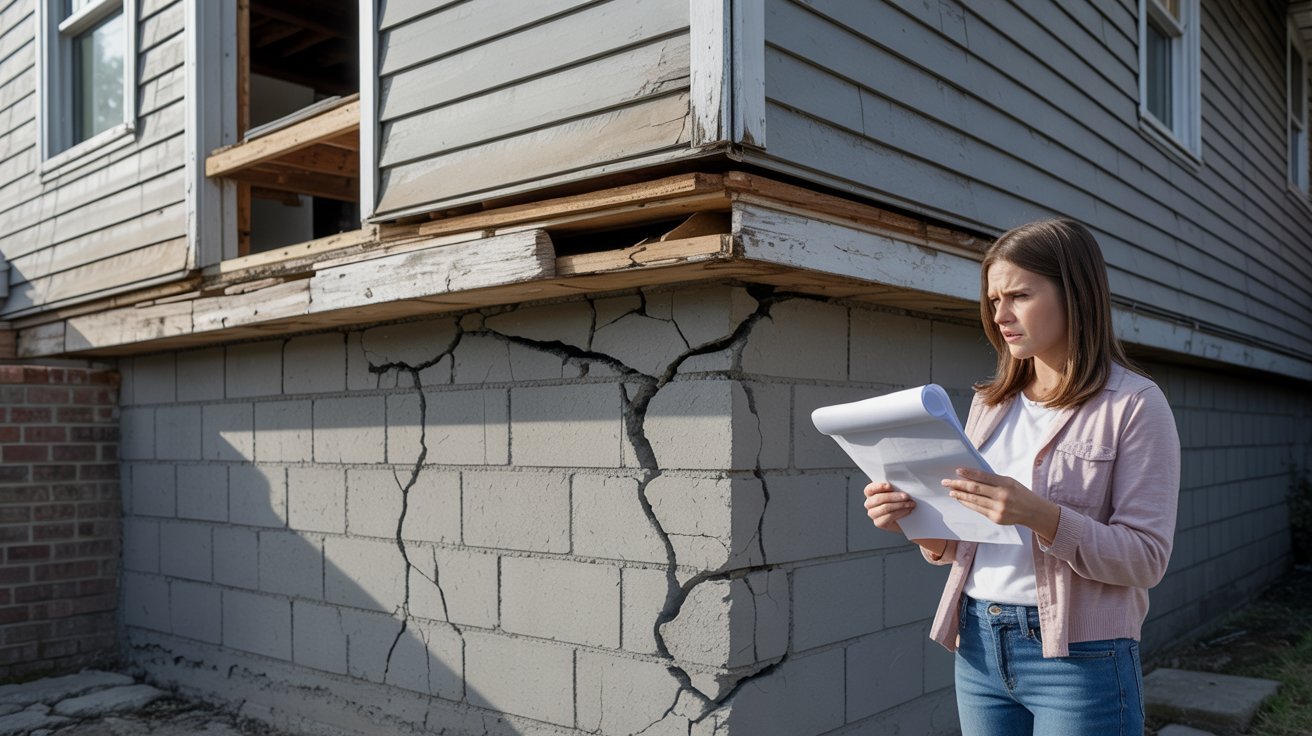
Some situations are simply not worth the cost or the risk. Here is how to spot them.
Repair Costs Are Too High
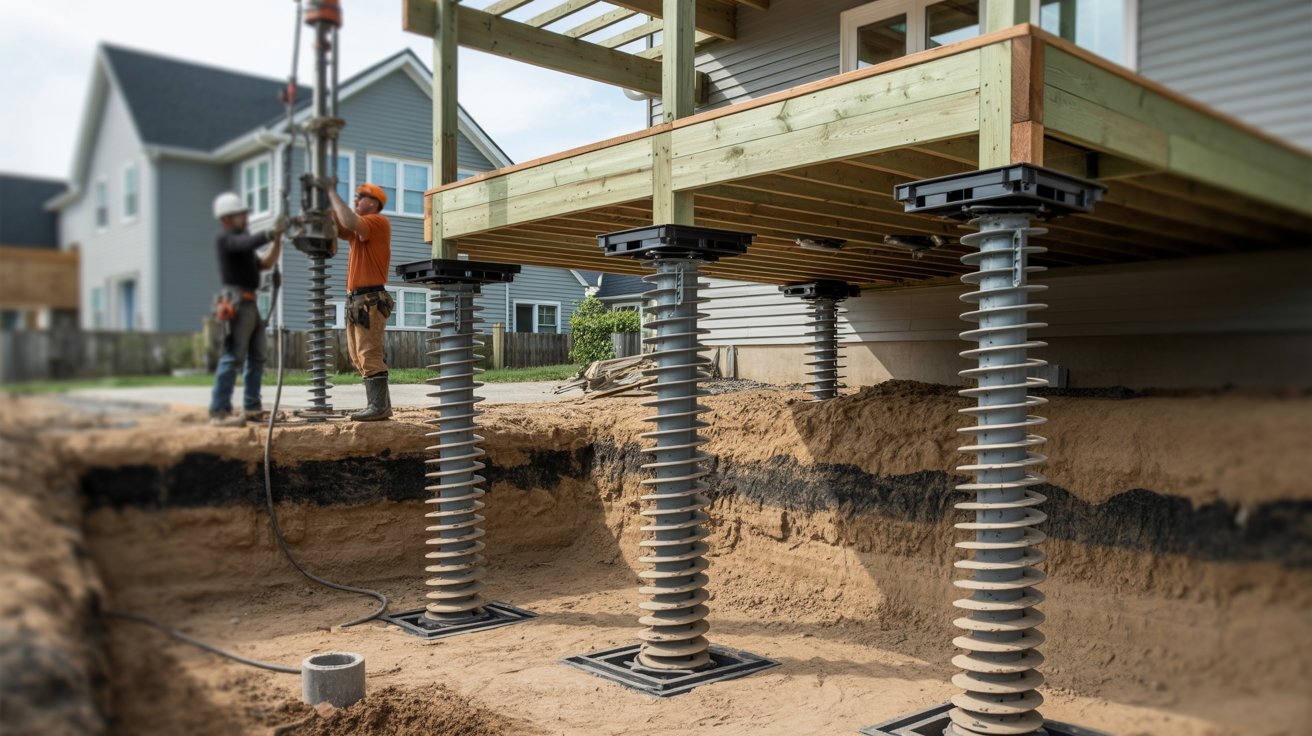
Always get written estimates first. Repairs range from $2,000 for crack injections to $30,000 or more for full underpinning.
If costs exceed 10 to 15 percent of the home’s value, step back. Also factor in secondary damage like plumbing or flooring repairs.
Damage Is Severe or Widespread
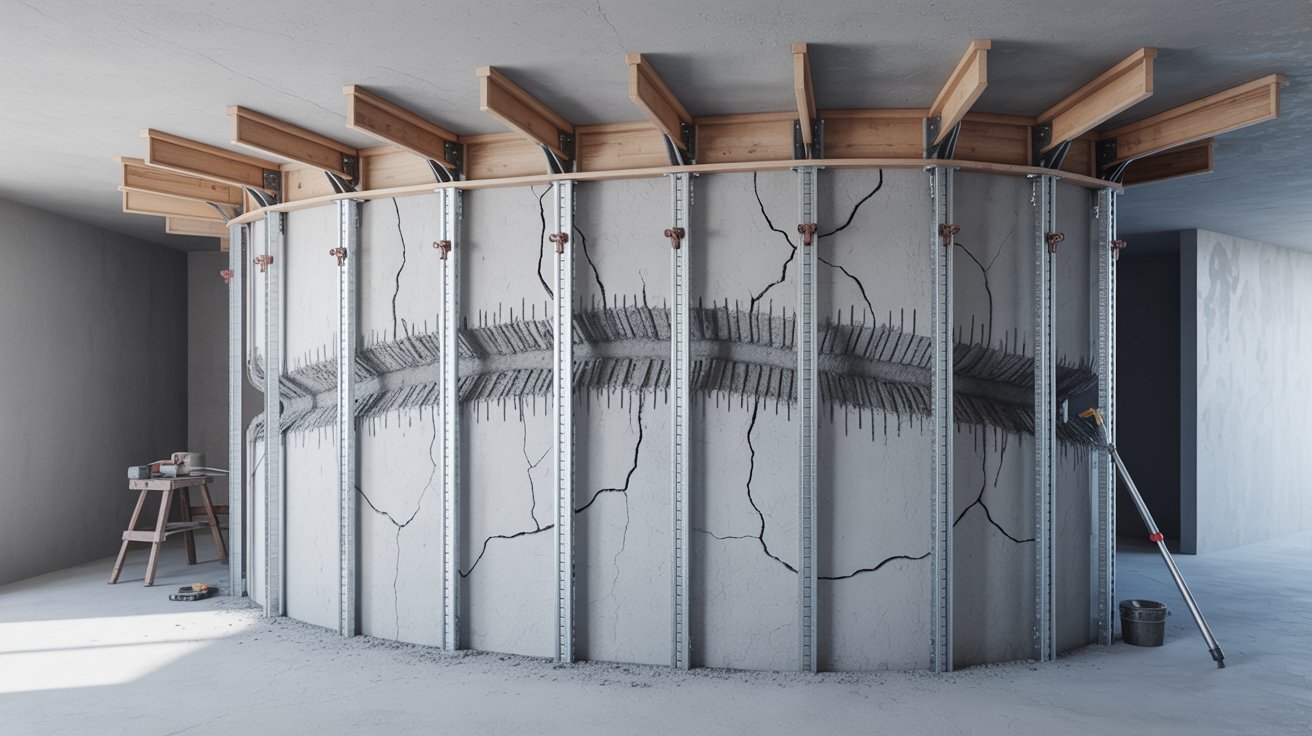
Bowing basement walls, horizontal cracks in block walls, shifted floors, and load-bearing walls showing movement are all serious signs.
If an engineer mentions structural failure or recommends major rebuilding, reconsider the purchase.
No Clear Diagnosis or Recurring Problems
Conflicting expert opinions mean the root cause has not been found. If repairs have already failed once, you could end up paying for the same problem again and again.
Financing or Insurance Becomes Difficult
Most lenders will not approve a mortgage on a home with unrepaired foundation issues. If insurance is also hard to secure, that is a strong signal to walk away.
When Foundation Issues Are Still Worth the Risk
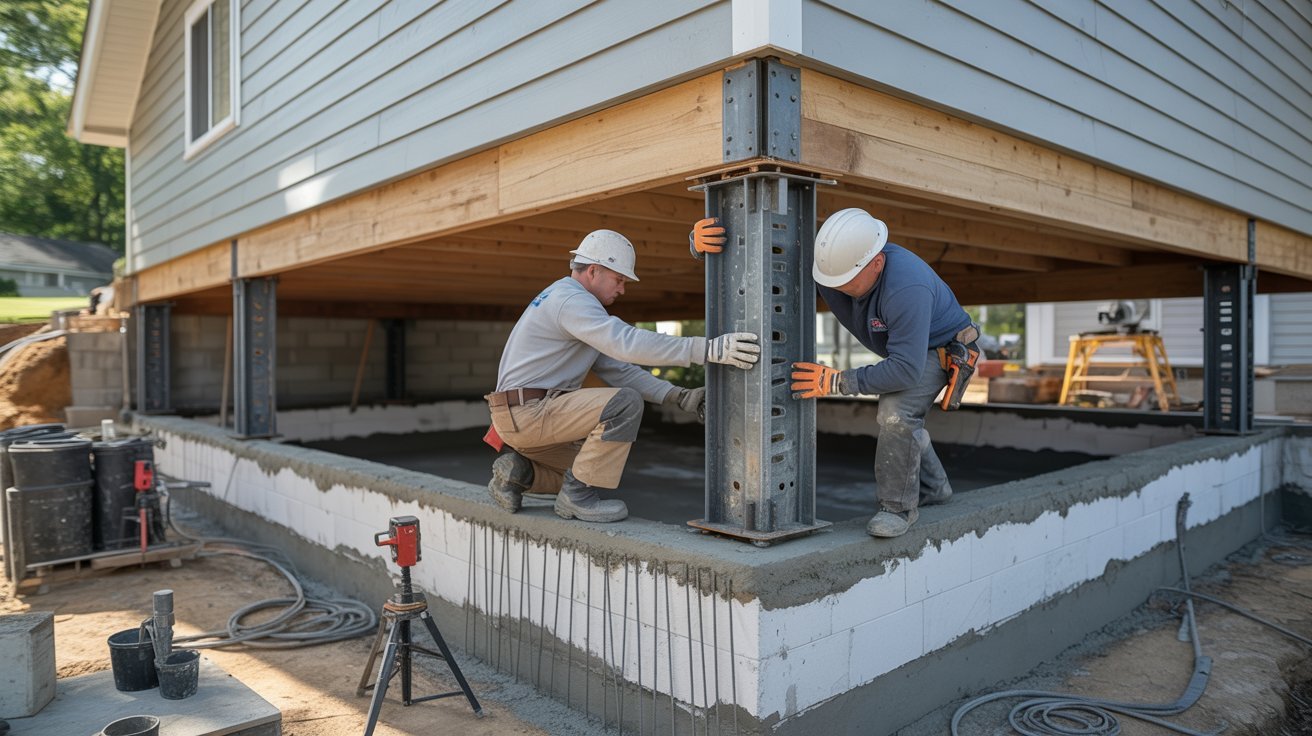
Not every foundation problem is a reason to leave. Some situations are worth moving forward with if you plan carefully.
Minor and Fixable Problems
Settlement cracks that have not grown in years, minor bowing fixable with wall anchors, or small drainage issues can be manageable.
If an engineer confirms the damage is stable and the repair cost is reasonable, staying in the deal may make sense.
Seller Discounts or Repair Coverage
If the seller offers a price reduction that covers the full repair cost, or agrees to fix the issue before closing, the risk drops significantly. Get everything in writing and confirm all work is done by a licensed contractor.
Warranty and Clear Repair Plan
Some foundation repair companies offer transferable warranties. If the repair fails after you buy the home, you are covered. Ask for this in writing and confirm the contractor is licensed and insured.
Buying a Home with Foundation Issues: Smart or Risky?
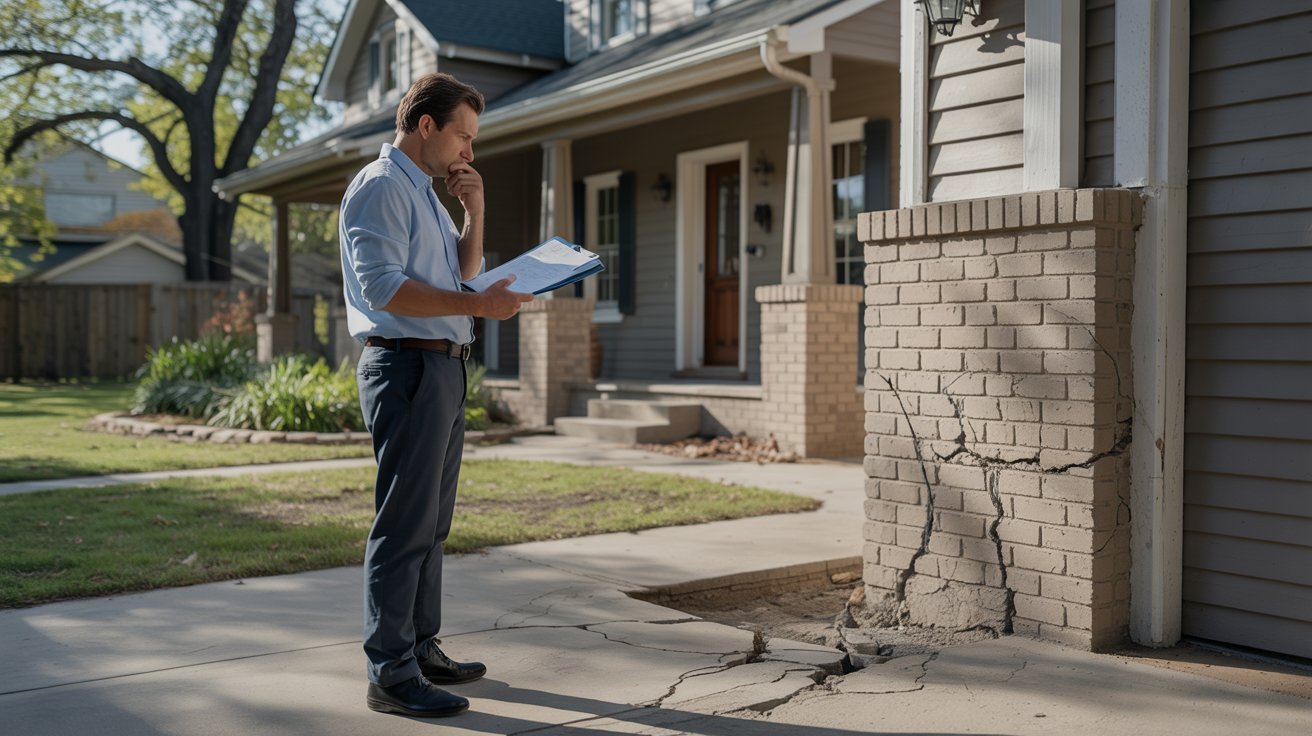
The outcome depends on the details, not just the diagnosis.
It can make sense when the repair cost is well below the price reduction offered, the damage is minor and confirmed by an independent engineer, or you have the cash to handle repairs without stretching your budget.
Walk away when repair costs are high, and the seller will not negotiate, the damage is structural and widespread, or you cannot get financing or insurance. No home is worth buying if it puts your finances or your family’s safety at risk.
Real Buyer Advice: When to Walk Away from Foundation Issues
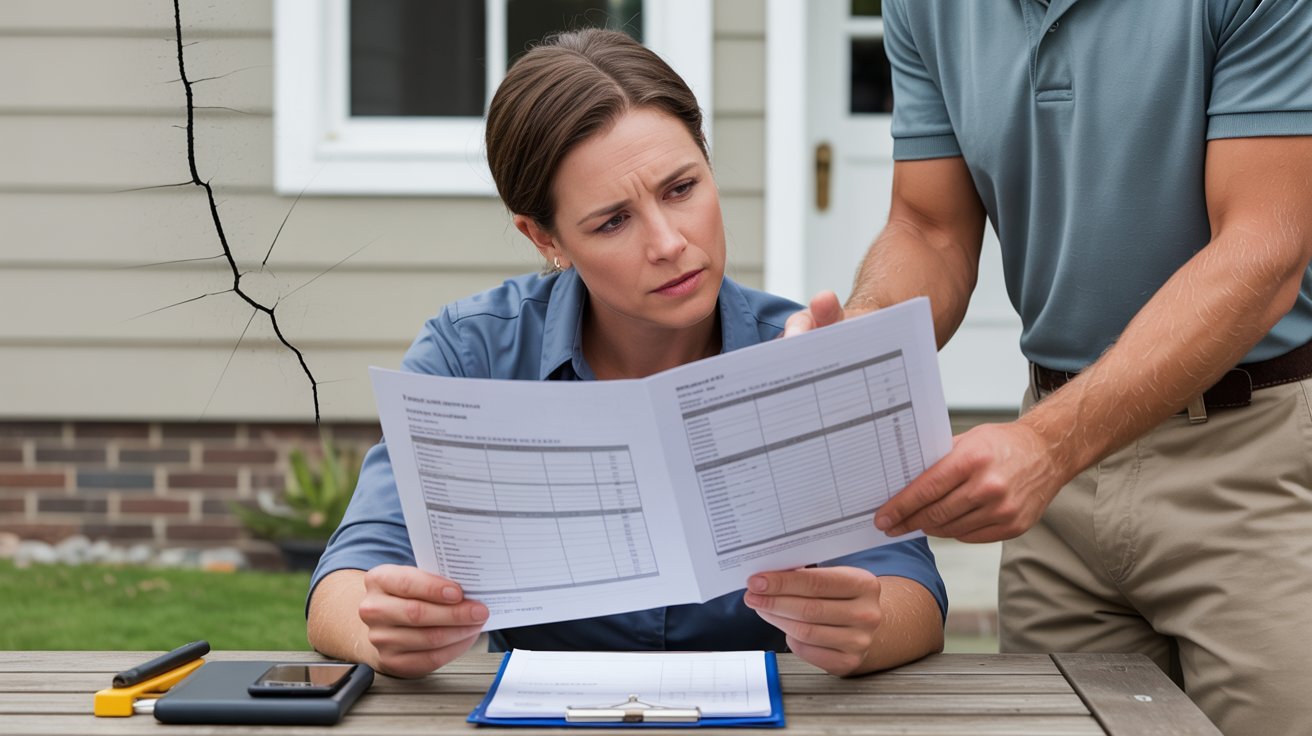
Real buyers have learned hard lessons from foundation decisions. Their experiences offer guidance you will not find in a report.
Most costly mistakes come from skipping steps or letting emotion take over. Relying only on a general home inspector, accepting verbal assurances without documentation, and skipping multiple repair quotes are all avoidable errors. Slow down and get the right professionals involved.
Buyers who walked away often say they are glad they did.
The ones who made smart calls all had one thing in common: they gathered enough information to decide with confidence instead of acting on hope or pressure.
Expert Tips Before You Decide
Before you sign anything, a few simple steps can protect you from making a decision you will regret for years.
- Hire a licensed structural engineer and get a full written report with photos before making any decisions
- Collect at least two to three written repair estimates from licensed foundation contractors before settling on a number
- Use those estimates as negotiating tools to lower the purchase price or request seller-funded repairs
- Budget for secondary costs like cracked pipes, warped floors, or damaged drywall that often come with foundation repairs
- Ask for a transferable warranty on any completed repairs and confirm the contractor is licensed and insured
Conclusion
Foundation problems can feel overwhelming, especially when you have already fallen for a home. I get it. But this decision deserves clear thinking. Not all foundation issues are deal breakers.
Some are minor and fixable. Others are too costly and too risky to take on. Focus on cost, severity, and long-term risk. If the numbers do not work, walking away from foundation issues is the smartest move you can make.
Your financial safety and peace of mind come first. Have questions or experience with this? Drop a comment below or share this with someone who needs it.
Frequently asked questions
When should you walk away from foundation issues?
Walk away when repair costs are too high, damage is widespread, or financing becomes difficult. Also leave if multiple experts disagree or the same problems keep coming back after repair.
Are foundation issues always a deal breaker?
No, not always. Minor cracks or problems with a clear, affordable repair plan may still make a home worth buying. Severity and total cost determine whether it is worth moving forward.
How much does it cost to fix foundation issues?
Minor repairs like crack injections can cost $500 to $3,000. Major repairs involving underpinning or wall rebuilding can run $15,000 to $30,000 or more.
Does homeowners insurance cover foundation issues?
Most standard policies do not cover damage caused by soil movement, settling, or poor drainage. Coverage may apply if damage results from a sudden event like a burst pipe.
Can foundation issues return after repair?
Yes, they can. If poor drainage or unstable soil is not addressed, the same problems can come back. Always ask contractors what is being done to fix the underlying cause.