You just got a new roof. It looks great. But is it actually done right?
A roof inspection after installation catches problems before they turn into costly repairs.
This article covers what inspectors check, common problems they find, and whether the cost is worth it.
By the end of this post, you’ll know what a post-installation inspection involves, when it’s worth it, and when it isn’t, and how to find a reliable inspector near you.
I’ve helped homeowners work through this process, and the answers might surprise you.
What Is a Roof Inspection After Installation?
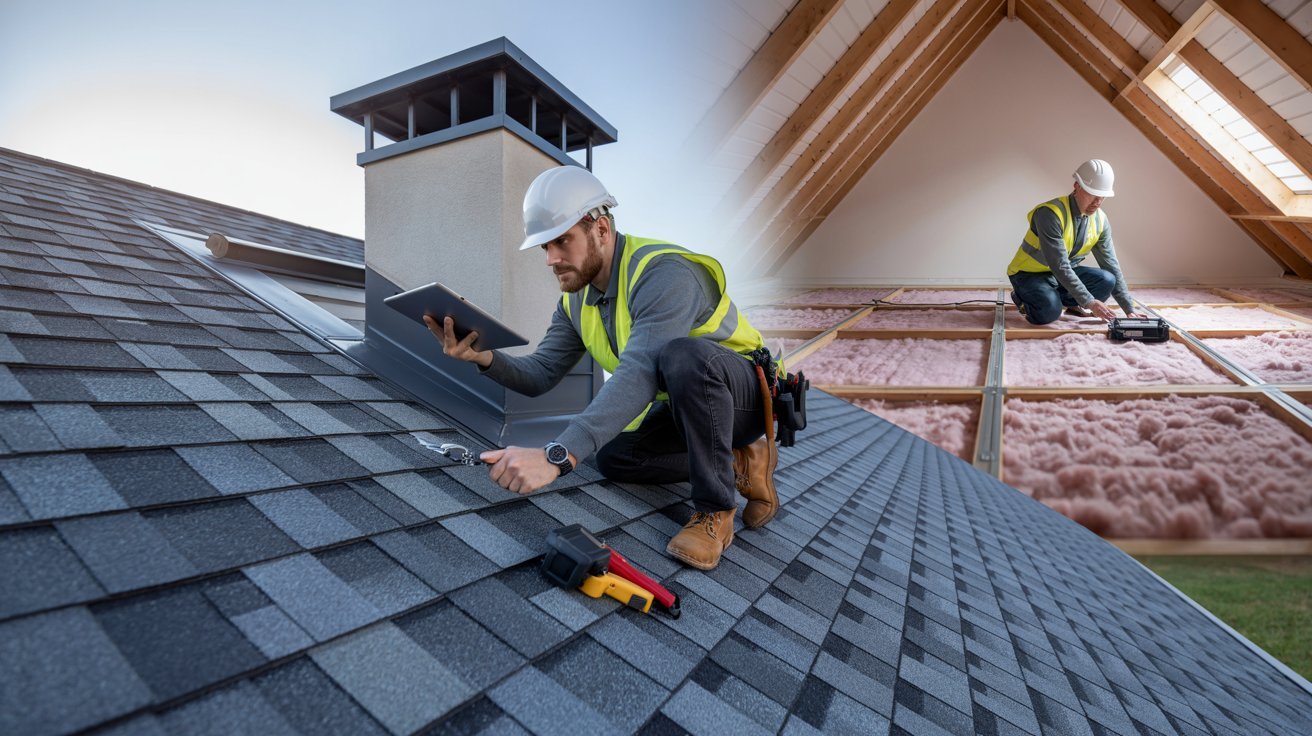
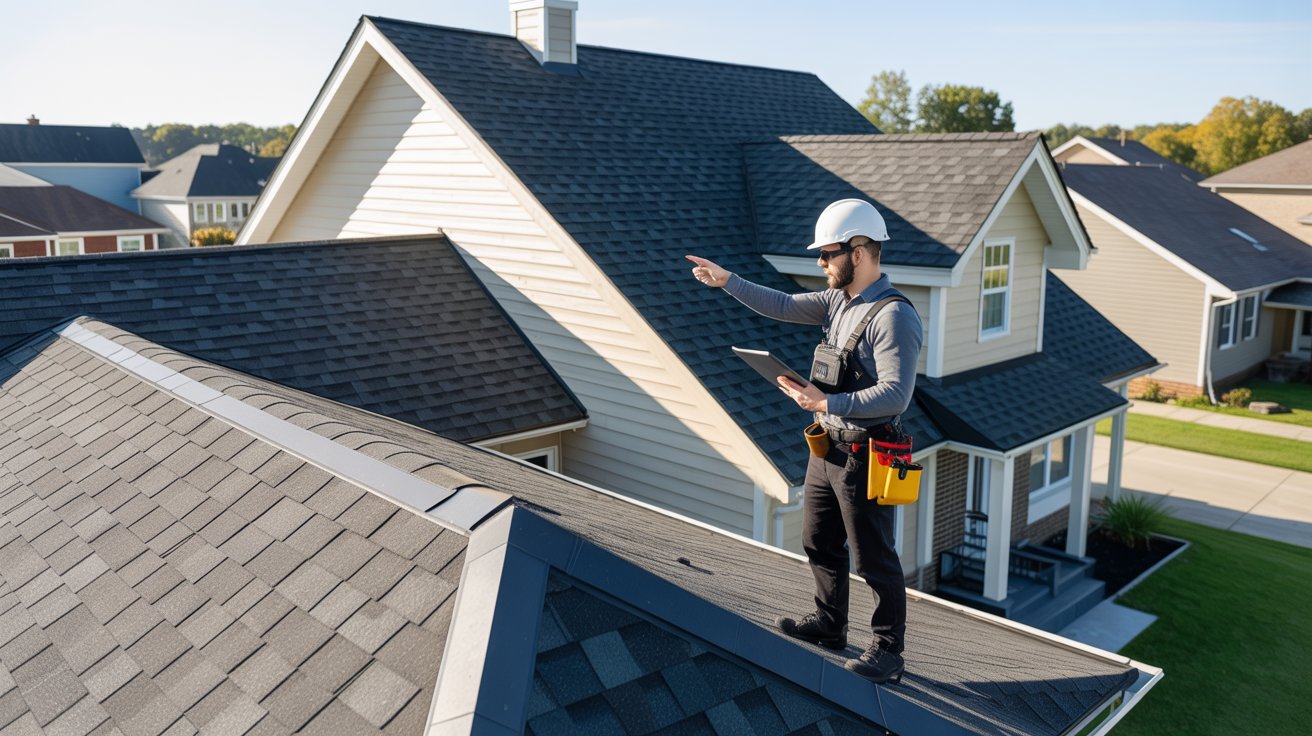
It’s a full review of your new roof by a trained professional. They check everything from shingles to flashing to ventilation.
The goal is simple: catch any mistakes the roofing crew may have made. It’s not about doubting your contractor. It’s about protecting your investment.
The inspector starts outside, then checks the attic for moisture and ventilation issues. The process takes one to two hours and ends with a written report useful for warranty claims and insurance.
Is a Roof Inspection After Installation Really Worth It?
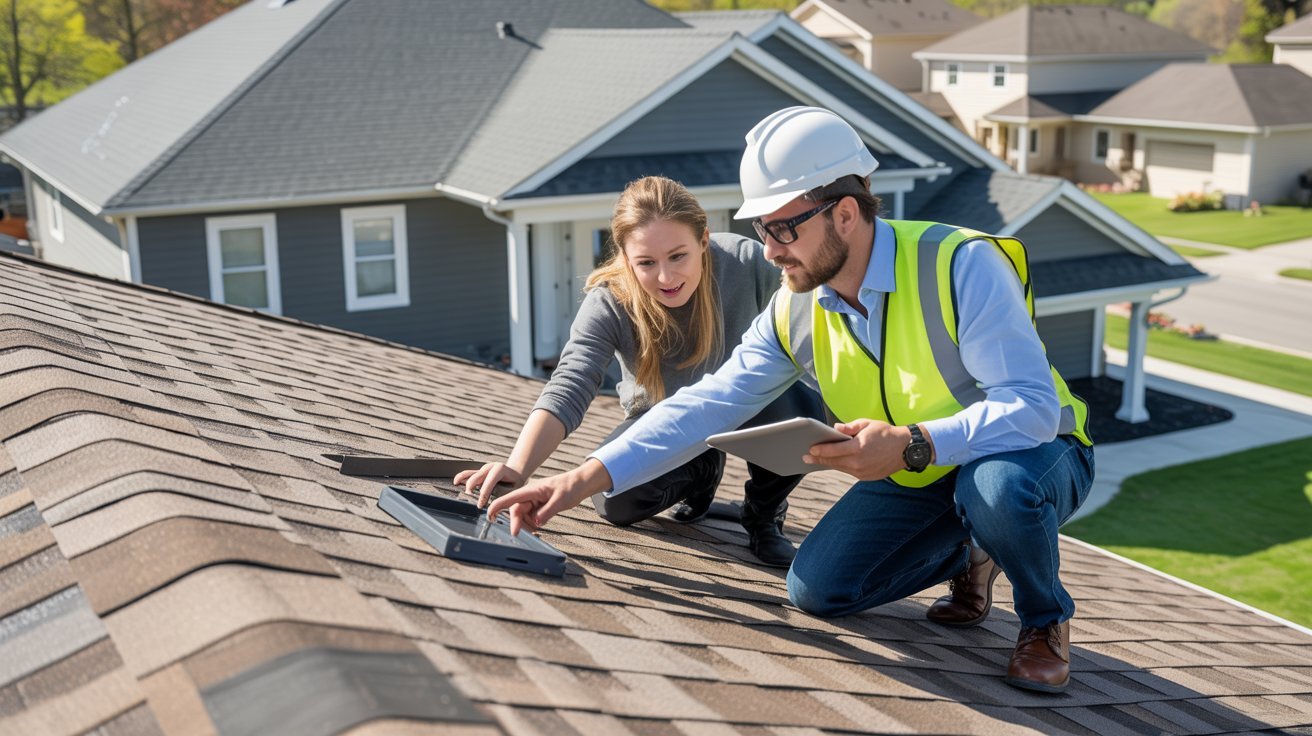
For most homeowners, a post-install inspection pays for itself many times over.
Pros Based on Real Homeowner Experiences
Many homeowners catch flashing gaps, loose shingles, or poor sealing right after installation. These are small fixes when found early.
Left alone, they turn into leaks and structural damage. One homeowner saved over $4,000 by catching a ventilation issue before it got worse.
Situations Where It May Not Be Necessary
If your contractor is certified and offers their own walkthrough, you may already have enough oversight. Still, having an independent report on file is rarely a bad idea.
Cost vs Value: Is It Worth the Price?
Roof inspections cost between $150 and $400. A $200 inspection that catches a $3,000 problem is a no-brainer. Even if nothing is found, you walk away with peace of mind and a written record.
Common Problems Found After Roof Installation
Post-install inspections regularly turn up issues that contractors overlooked or rushed through.
Poor Workmanship and Installation Mistakes
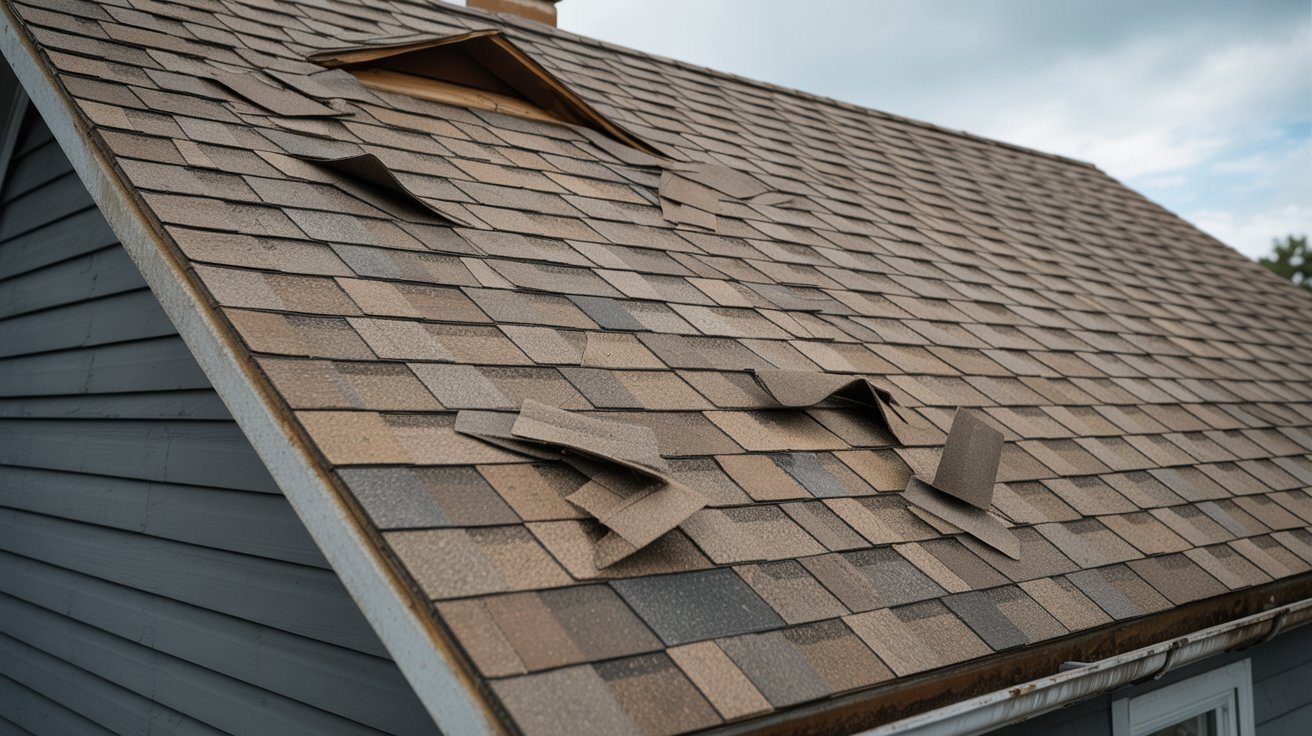
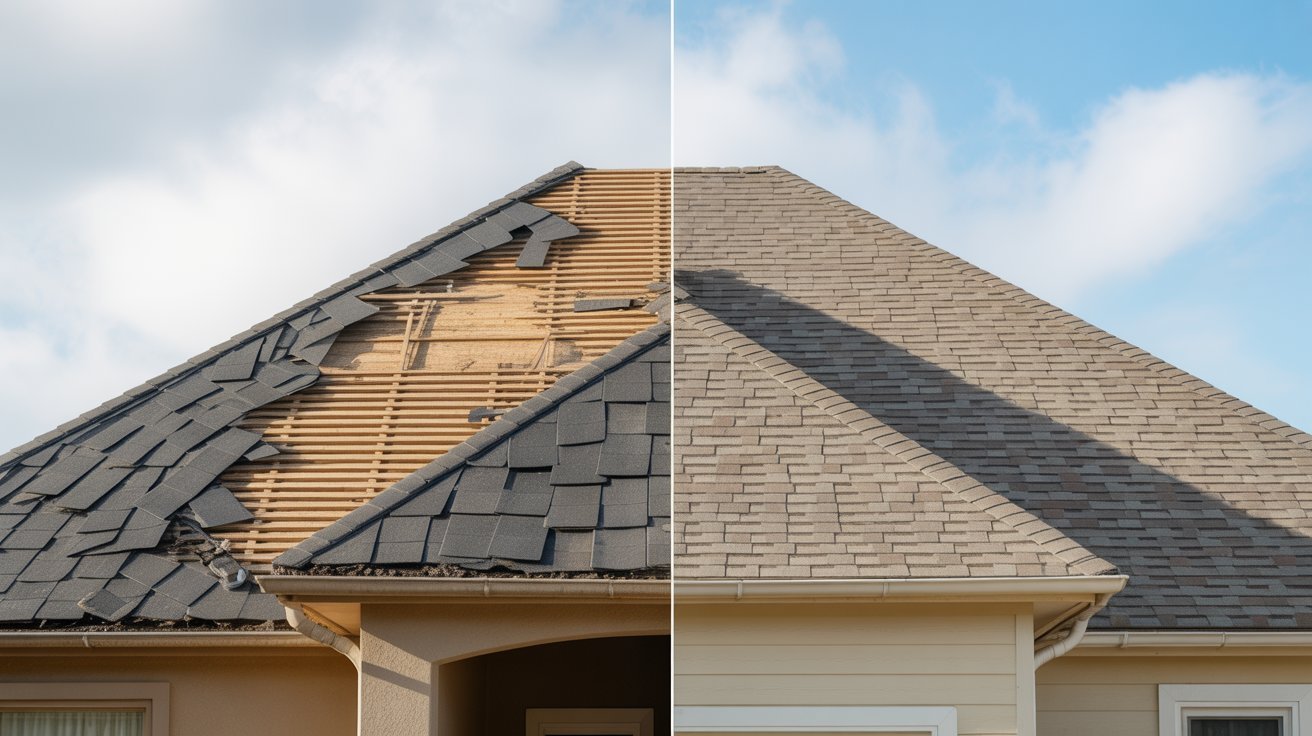
Common issues include improperly nailed shingles, misaligned rows, and missing drip edges. These may not be visible from the ground but cause real damage over time. Shingles nailed incorrectly lift in wind. Misaligned rows let water sneak underneath.
Flashing and Sealing Issues
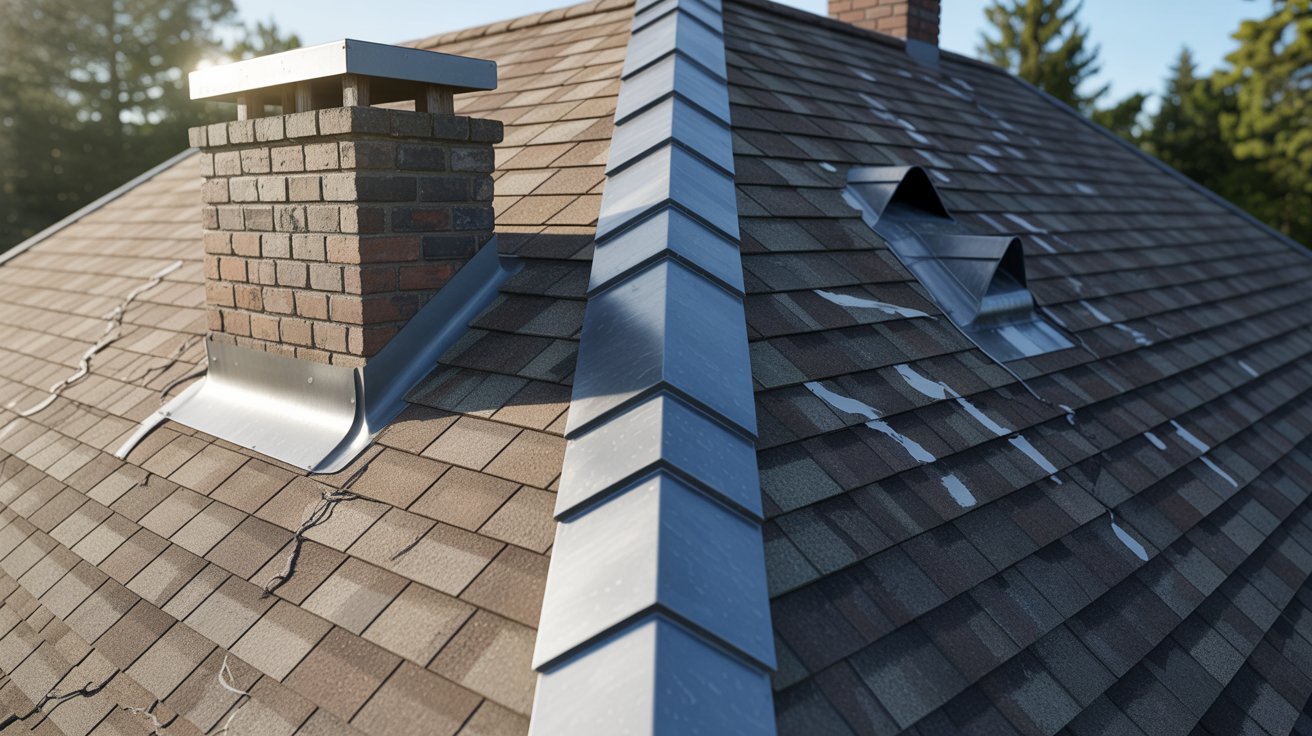
Flashing seals joints around chimneys, vents, and skylights. If it’s not done right, water gets in. Inspectors often find flashing bent the wrong way or not overlapped correctly. Easy fixes when caught early, but major leaks if ignored.
Hidden Leaks and Structural Problems
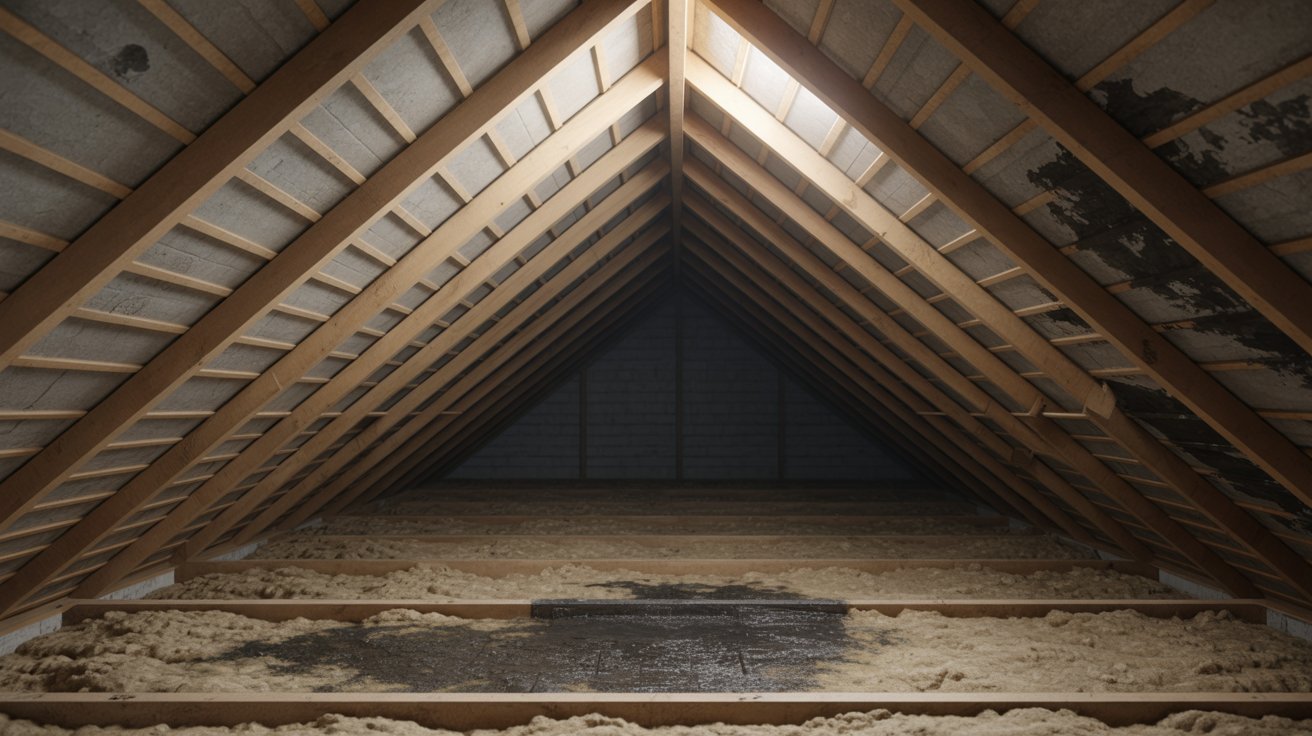
Inspectors check the attic for wet insulation, water stains on rafters, and early signs of mold. These clues often appear before a visible ceiling leak. Structural issues like sagging decking are also flagged during a thorough inspection.
What Do Inspectors Actually Check on a New Roof?
Inspectors cover both the outside and inside to give a full picture of your new roof’s condition.
Exterior (Shingles, Flashing, Gutters)
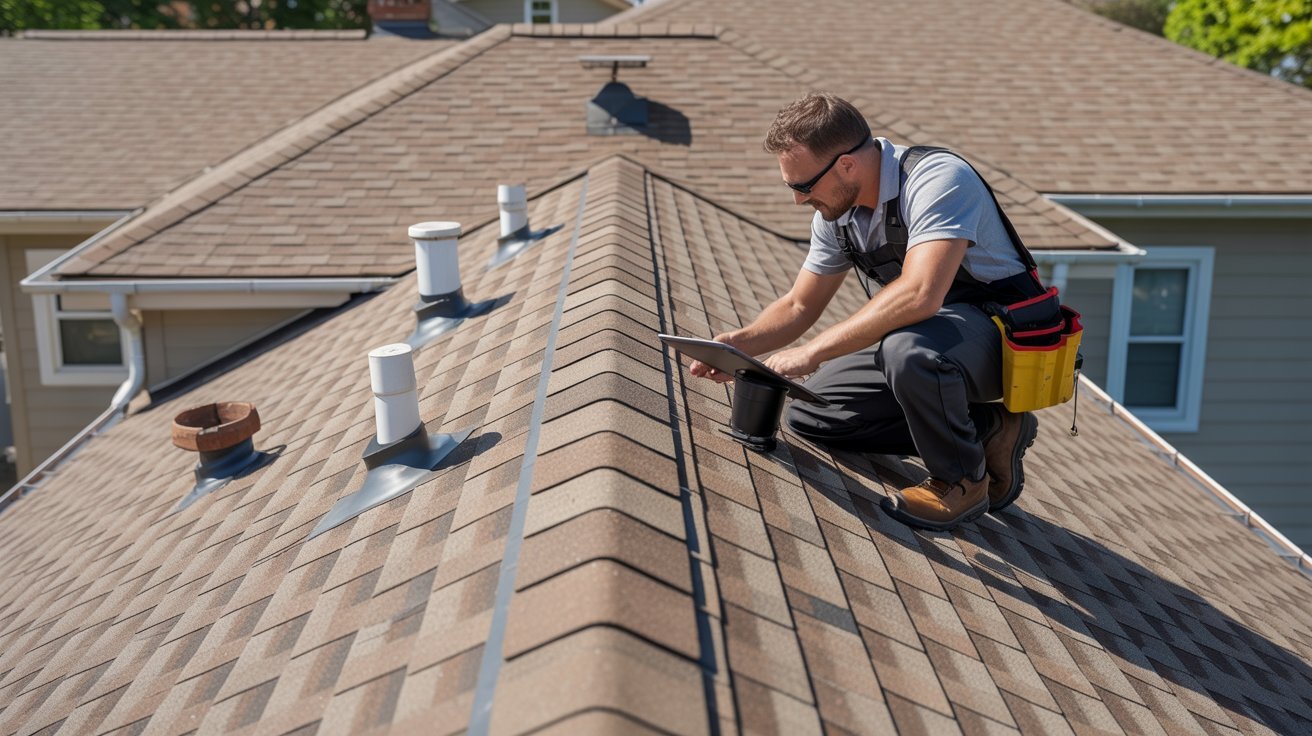
Inspectors check shingle alignment, nailing pattern, flashing at all joints and vents, drip edges, gutter attachment, ridge cap installation, and pipe boot seals. They compare everything against standard installation guidelines and note any issues.
Interior (Attic, Ventilation, Moisture)
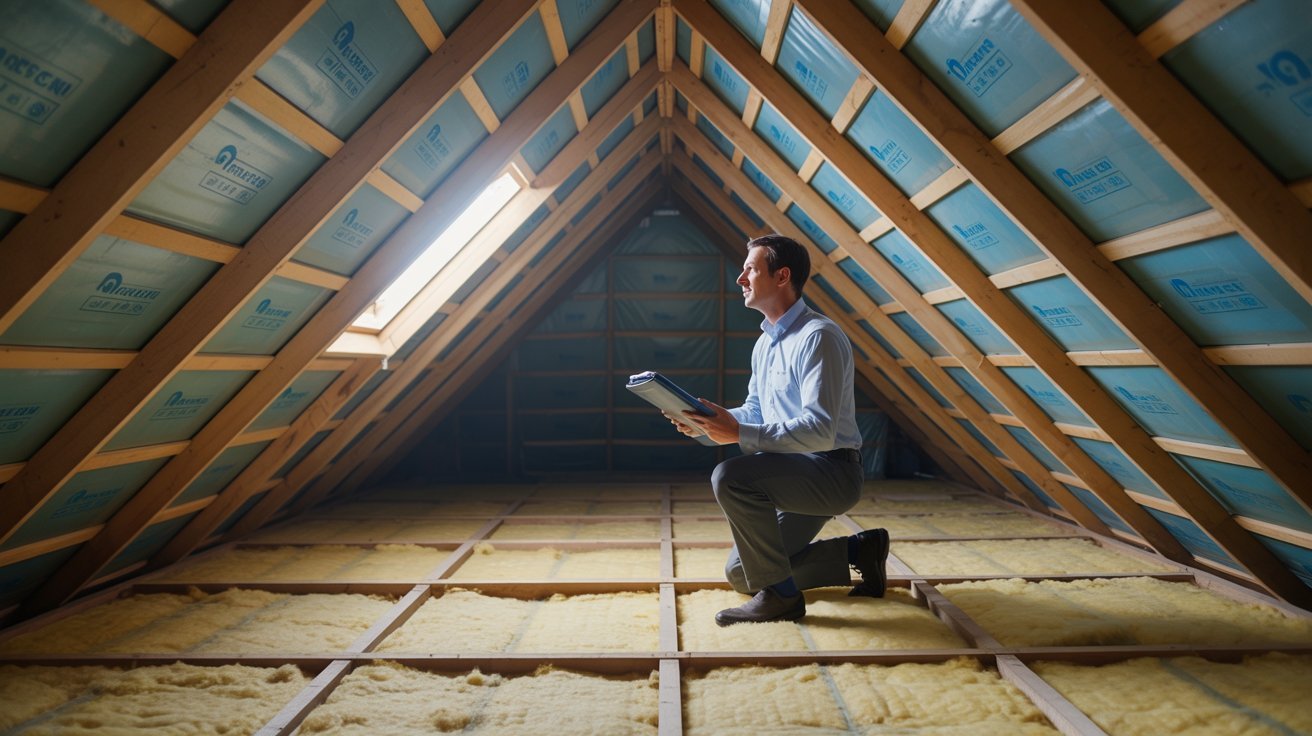
Inside, they check ventilation balance, moisture or water staining, insulation condition, and rafter integrity. Poor ventilation is one of the most common issues found. It shortens shingle life and leads to mold growth.
Types of Roof Inspection Services
Not all inspections are the same. Knowing your options helps you choose the right one.
Physical Inspection
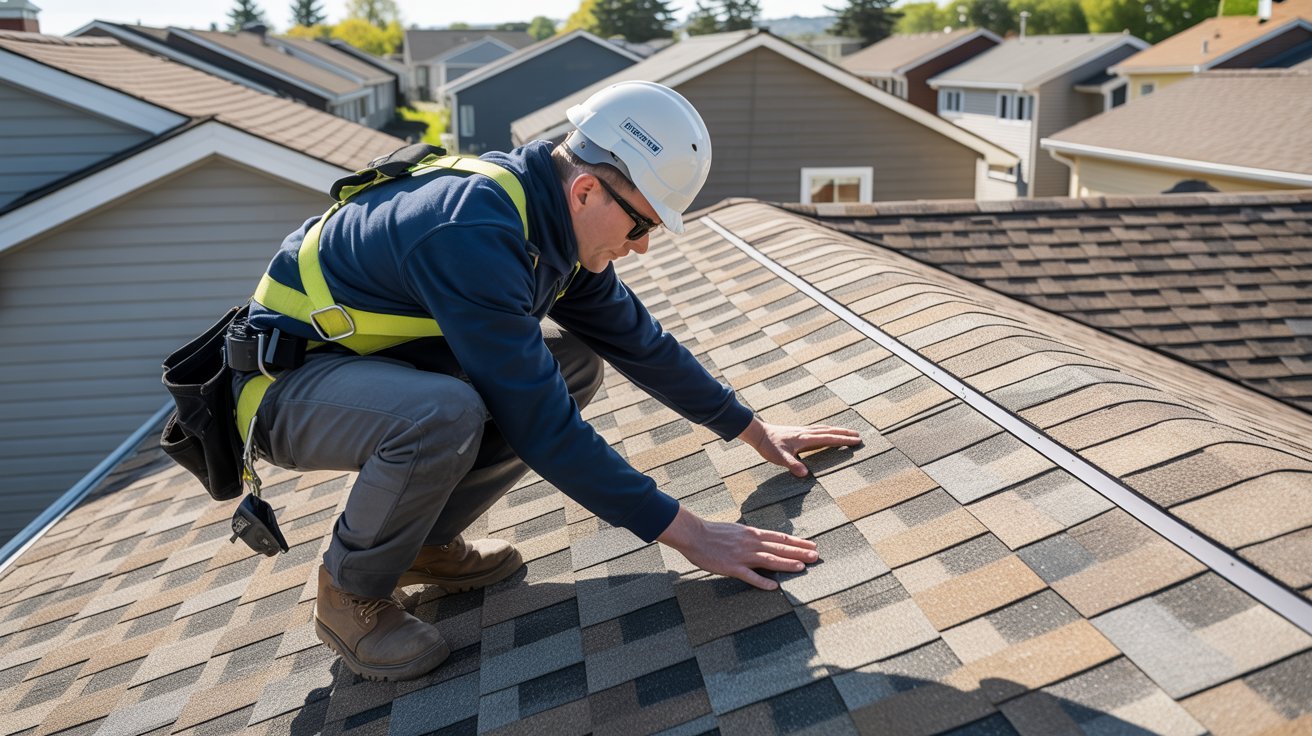
The inspector walks your roof and checks every section up close. They can feel for soft spots and check seals manually. This is the most thorough option and the standard for post installation inspections.
Drone Roof Inspection
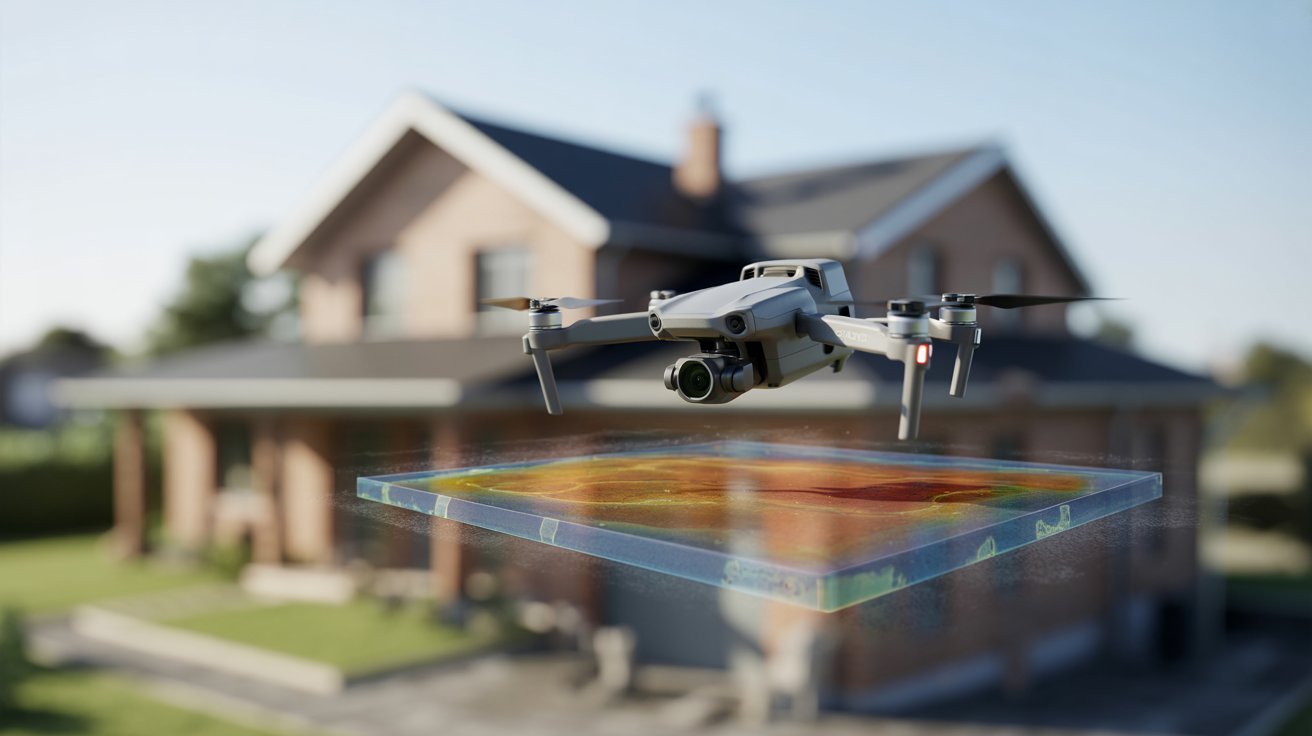
Drones capture high resolution images without anyone walking the roof. Useful for steep or complex roofs. Some use thermal imaging to detect moisture. Best used as a supplement to a physical inspection, not a replacement.
Professional Roof Inspection Services
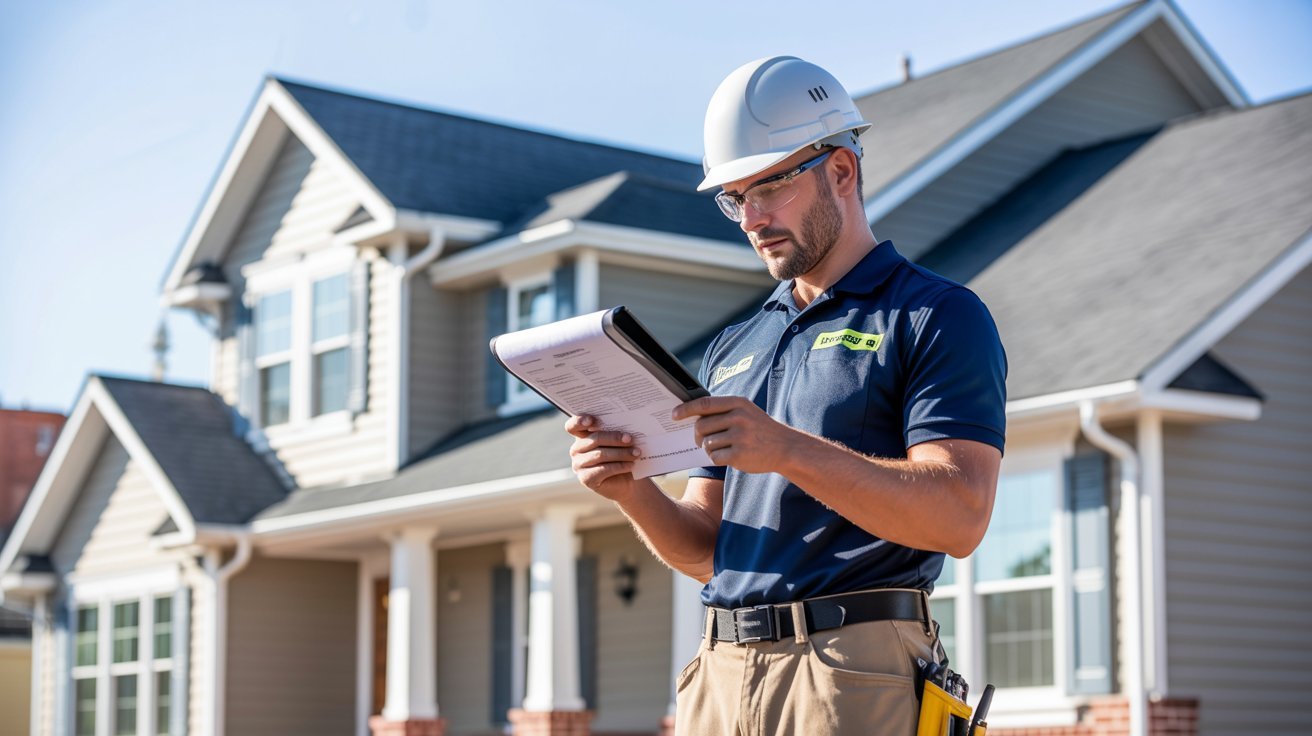
Look for inspectors certified by ASHI or InterNACHI. An independent inspector has no reason to overlook problems, which matters most when making warranty or insurance claims.
Real Homeowner Advice
Homeowners who’ve been through the process share what they wish they had known.
Homeowners who skipped inspections almost always regret it. Leaks show up within the first year, warranty claims get denied, and contractors dispute the cause. Without a report, it’s your word against theirs.
A second inspection makes sense when the first inspector skipped the attic or you’re filing an insurance claim. More data means fewer surprises.
Before hiring, check the inspector’s license, read reviews, and always ask for a written report. A good inspector has nothing to hide.
When Should You Get a Roof Inspection After Installation?
Timing matters. The right moment gives you the most useful information.
Right After Installation vs After a Storm
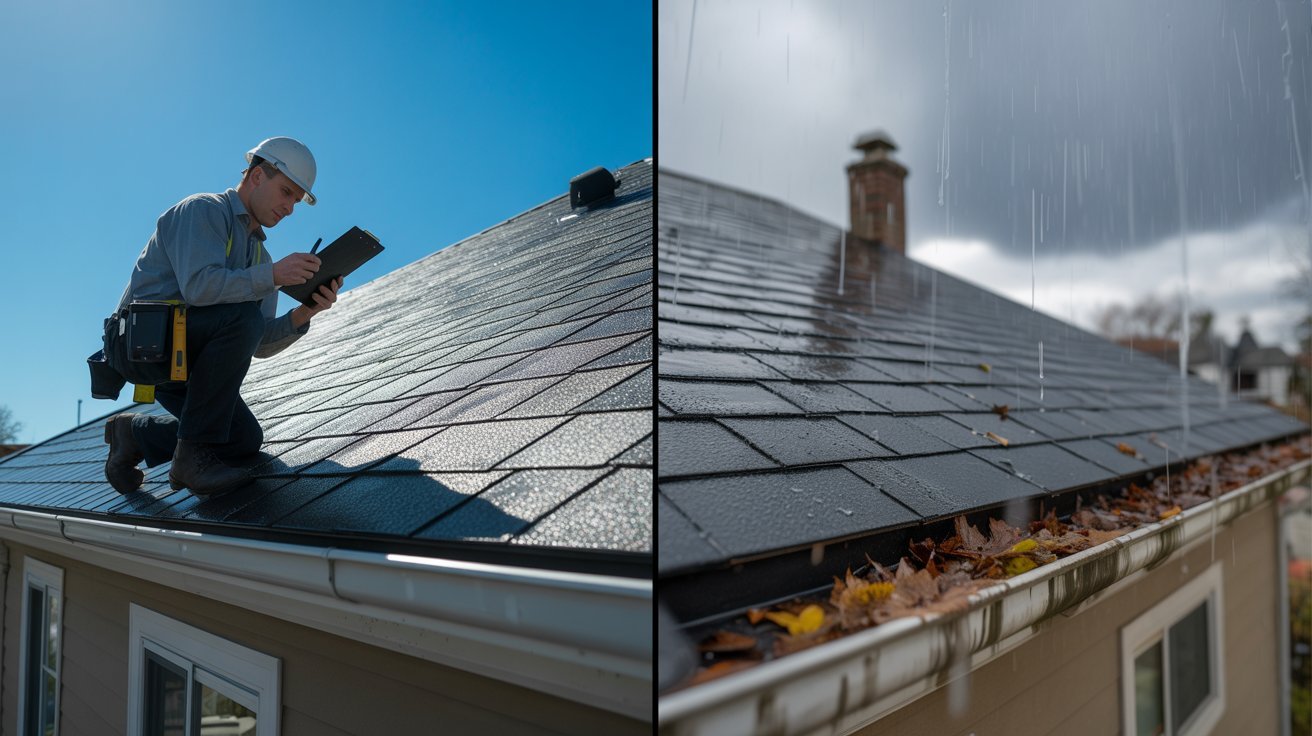
The best time is within 30 to 60 days of installation. That’s when you have the most leverage to get issues fixed at no extra cost. After a storm, an inspection checks for damage that may affect your coverage.
Roof Inspection for Insurance or Warranty
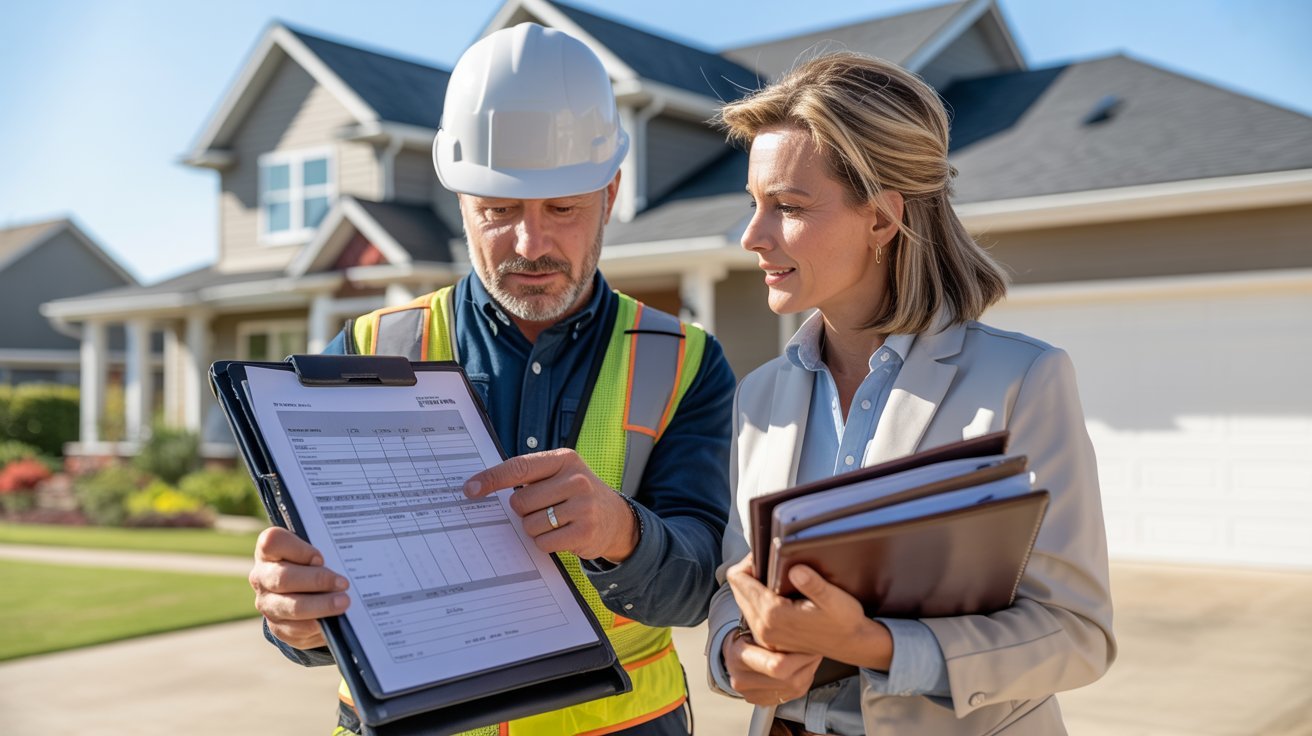
Many insurance policies require a recent inspection report before extending coverage on a new roof. Manufacturer warranties may also need proof of correct installation. That report becomes your strongest evidence in any future claim.
Expert Tips for Roof Inspection After Installation
Small steps taken early can prevent big problems down the road.
- Get a second opinion if the first inspection seemed rushed or incomplete.
- Check your warranty terms and schedule the inspection before the window closes.
- Act on small issues fast. A $50 fix ignored can become a $2,000 repair.
- Keep all reports, photos, and paperwork in one place for future claims.
- Always ask for a written report, not just a verbal summary.
- Hire an inspector who is independent from your roofing contractor.
- Take photos of your roof yourself right after installation for your own records.
Conclusion
It’s a full review of your new roof by a trained professional. They check everything from shingles to flashing to ventilation.
The goal is simple: catch any mistakes the roofing crew may have made. It’s not about doubting your contractor. It’s about protecting your investment.
The inspector starts outside, then checks the attic for moisture and ventilation issues. The process takes one to two hours and ends with a written report useful for warranty claims and insurance.
Frequently asked questions
Is a roof inspection necessary for a new roof?
It’s not legally required, but it’s strongly recommended. An independent inspection confirms the work was done correctly and protects you if issues come up later under warranty or insurance.
How much does a roof inspection cost?
Most inspections cost between $150 and $400, depending on roof size, location, and type. Free inspections from contractors are available but may not be fully unbiased.
Can I do the inspection myself?
A basic ground-level check is possible, but it won’t replace a professional. A licensed inspector has the tools and training to catch problems you simply can’t see on your own.
How do I find roof inspection services near me?
Search through InterNACHI or ASHI directories and check Google reviews and the BBB. Look for inspectors independent from roofing contractors to avoid any conflict of interest.
When is the best time to schedule a roof inspection after installation?
Within 30 to 60 days of installation. That window lets you catch workmanship issues while the contractor’s warranty is still in effect.