Cracked or sunken concrete is frustrating, and fixing it the wrong way can cost you more in the long run. I’ve looked into both polyjacking vs mudjacking in detail, and I’m here to break it all down for you.
You’ll get a clear comparison of both methods, including cost, durability, pros and cons, and real homeowner feedback, so you can make the right call.
I’ve spent a good amount of time researching home repair topics, and trust me, this one matters more than most people think. By the end, you’ll know exactly which method fits your situation.
Polyjacking vs Mudjacking Overview
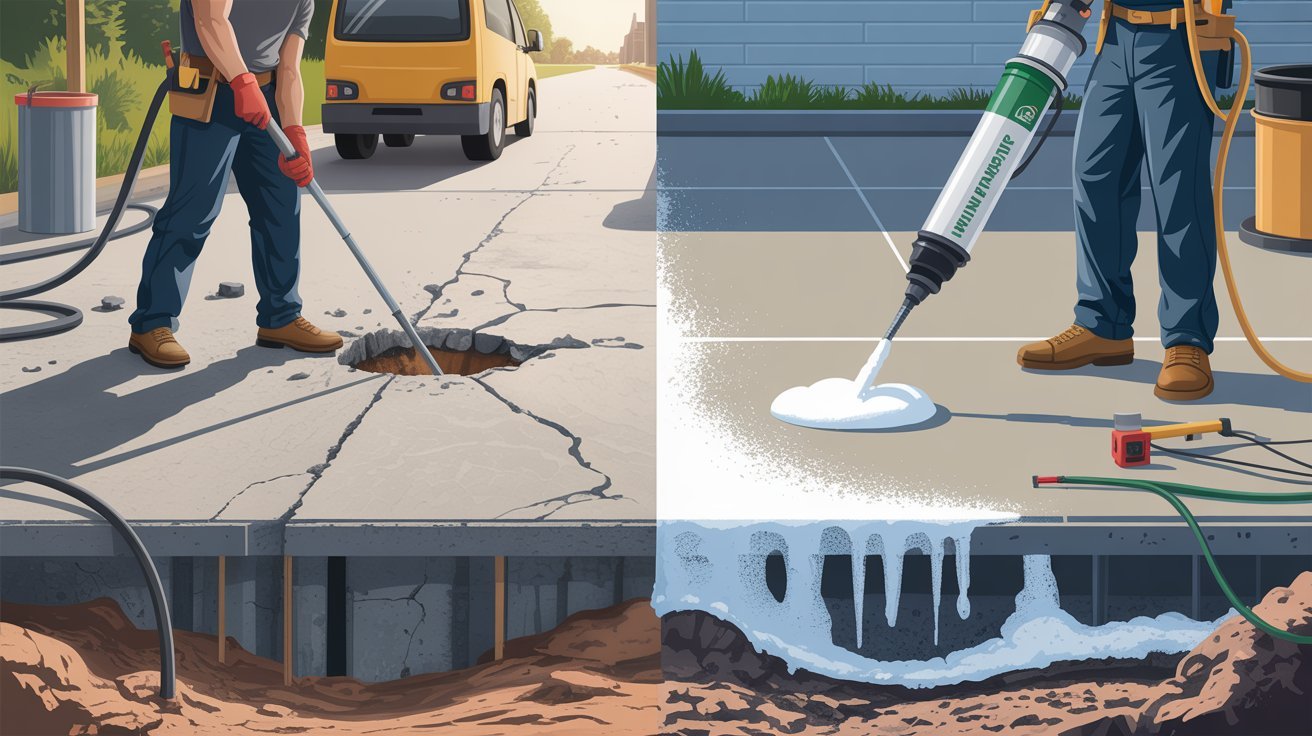
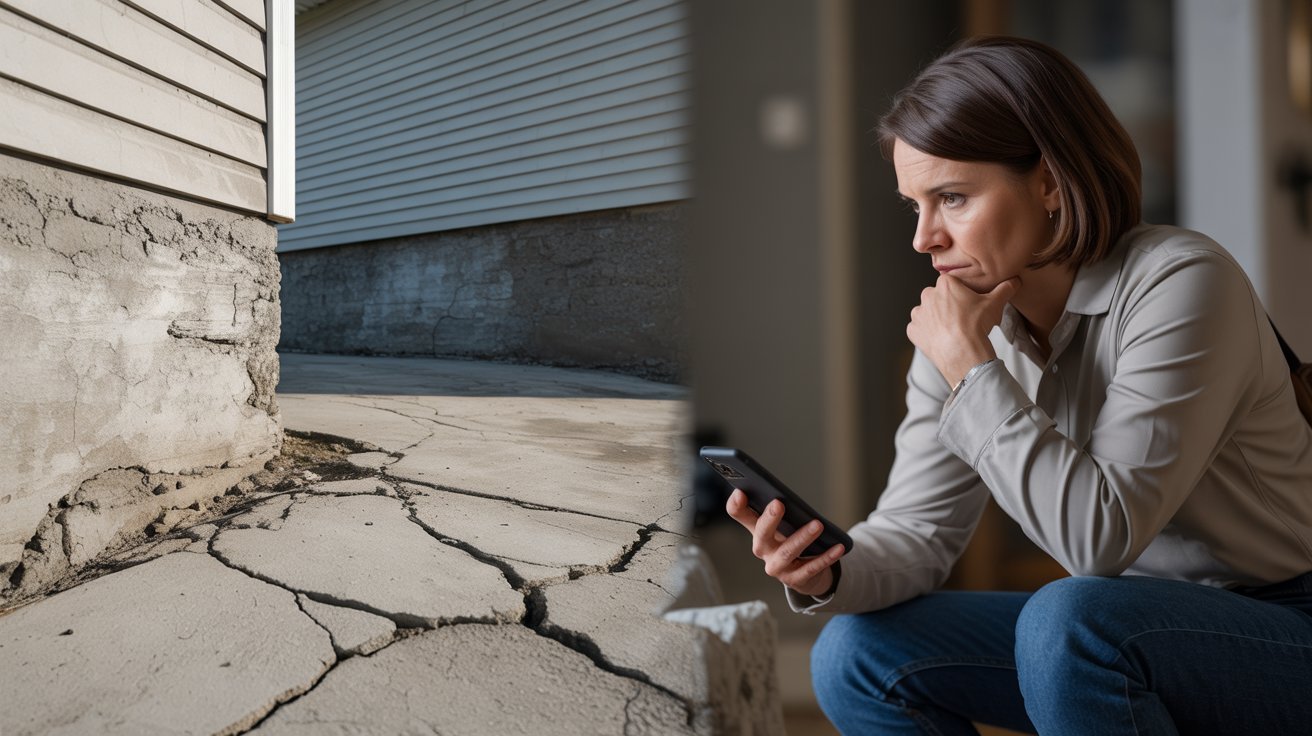
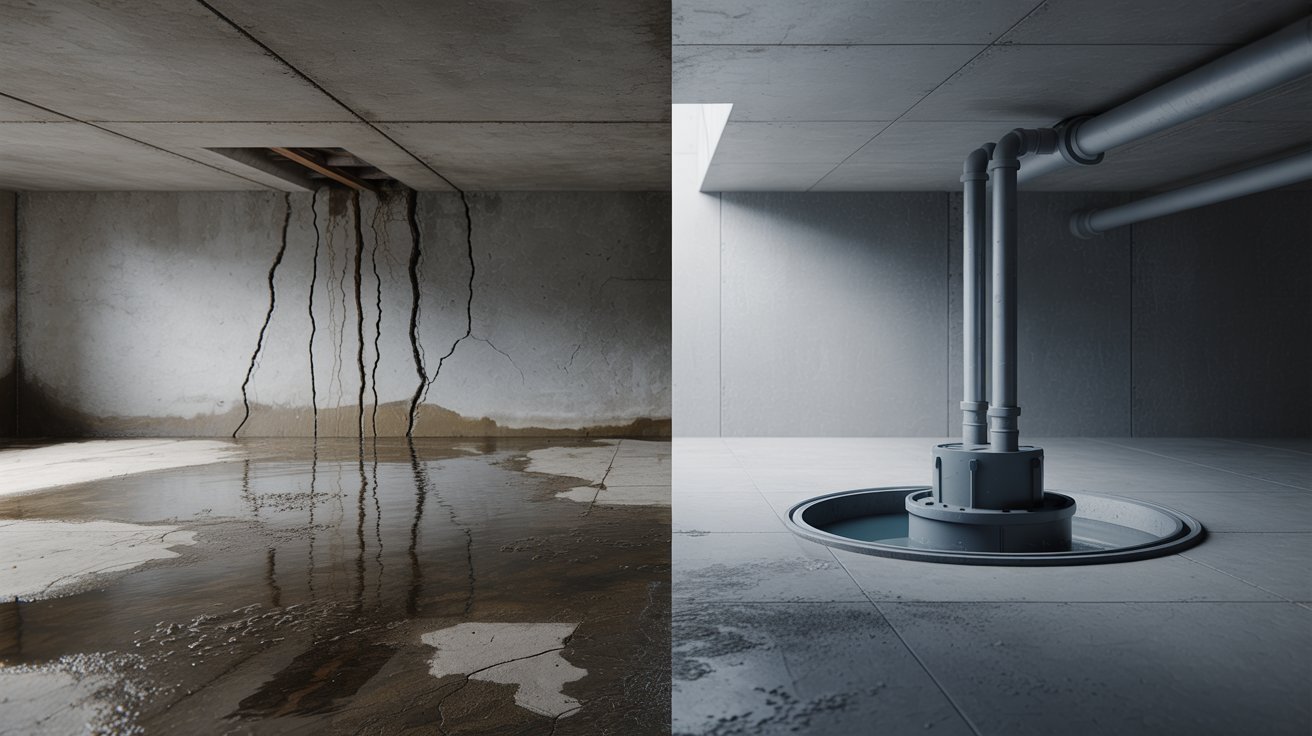
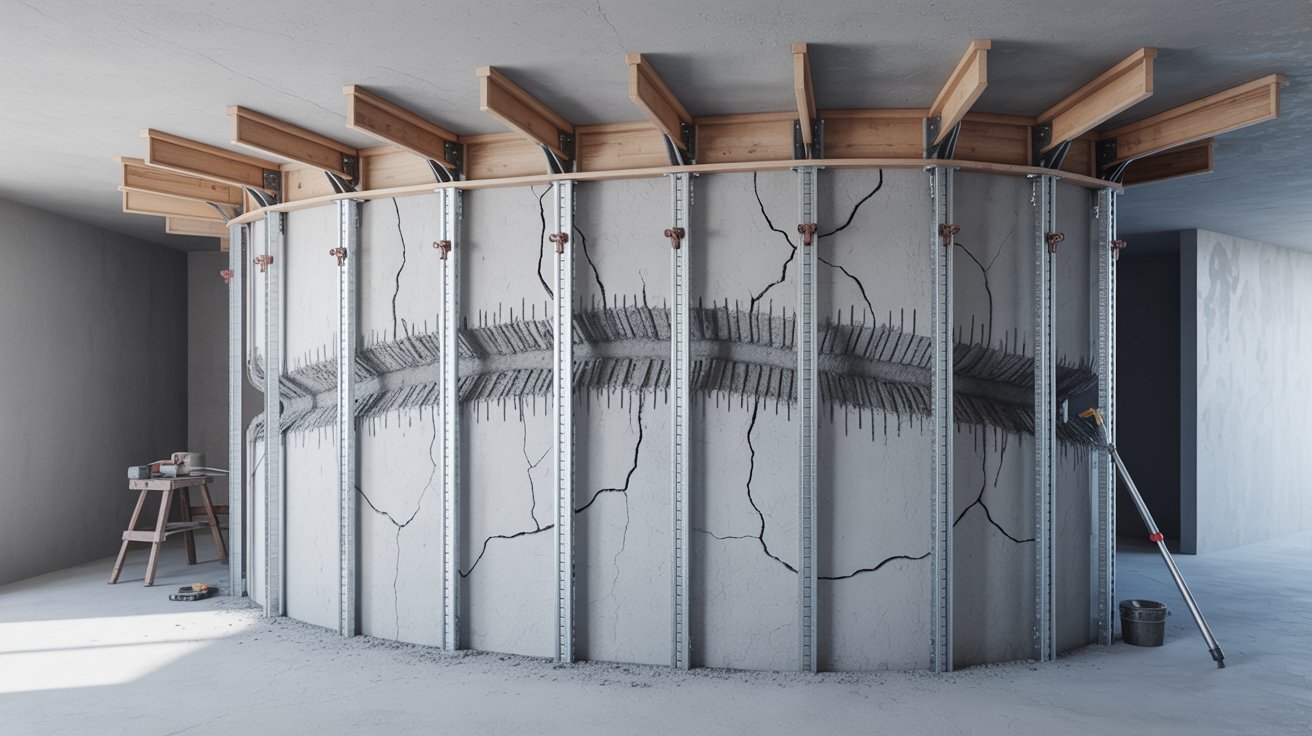
Concrete sinks for a few common reasons. Soil erosion, poor drainage, and heavy loads all wear down the ground beneath your slab over time. Once that ground shifts, you get uneven surfaces that are both unsafe and unsightly.
Leaving it alone only makes things worse. A small dip today can turn into a major crack tomorrow. That’s why picking the right repair method matters so much.
Polyjacking and mudjacking both lift concrete, but they work differently. Choosing the wrong one wastes money, so knowing the difference upfront saves you a lot of trouble later.
What Is Mudjacking?
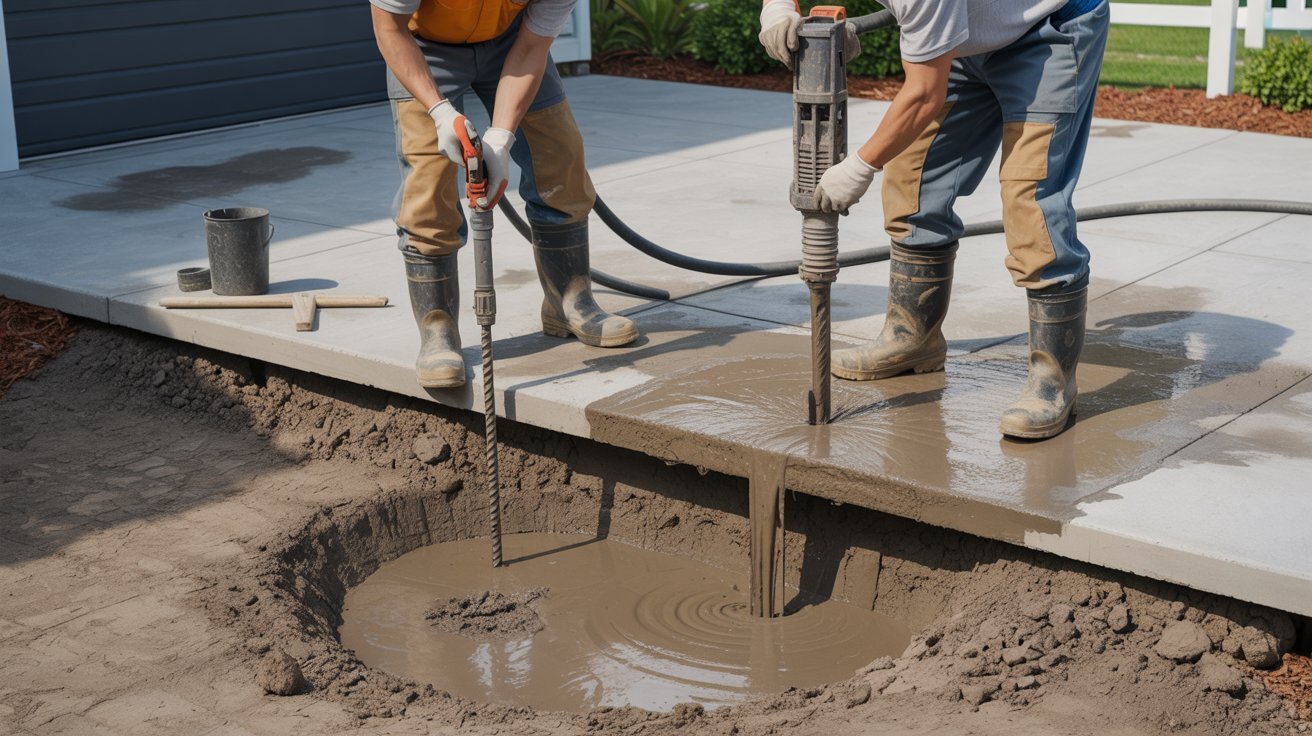
An older, budget-friendly method that uses a natural slurry mix to lift sunken concrete slabs.
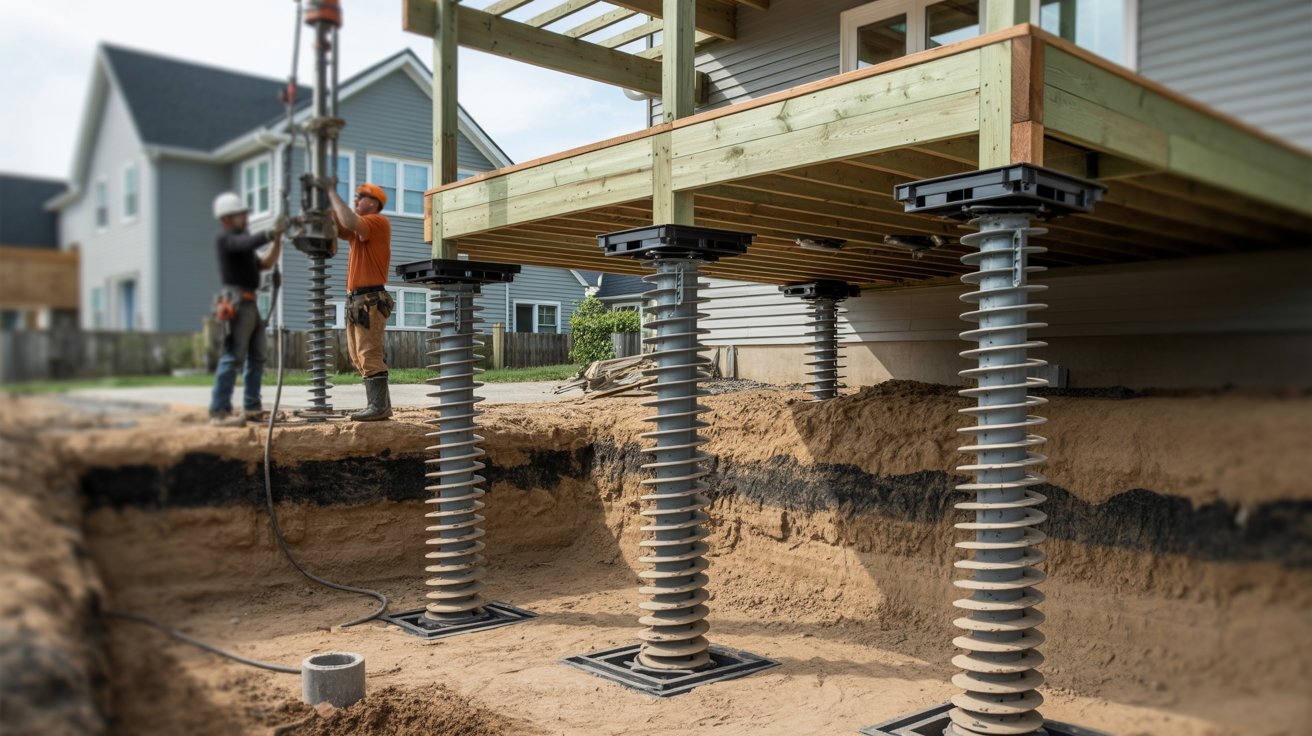
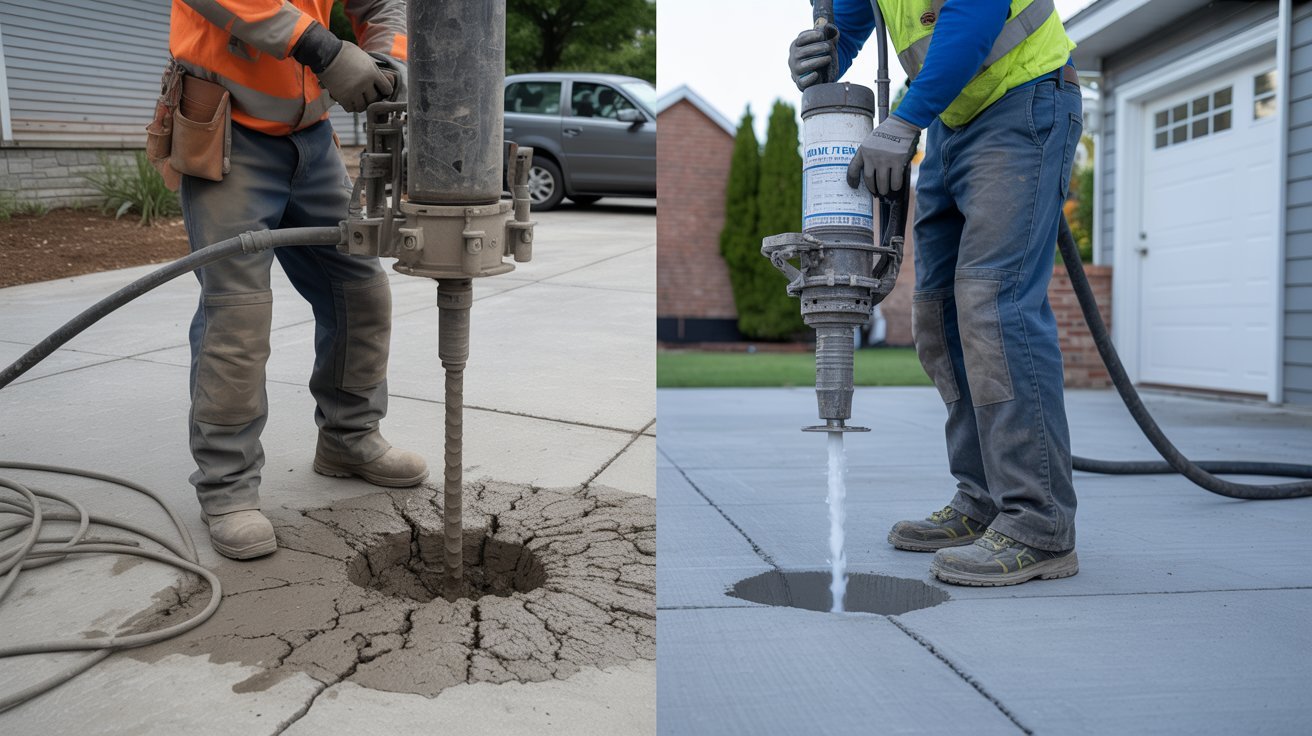
Mudjacking uses a slurry mix of water, soil, and cement. Contractors drill holes into the slab and pump the mixture underneath to fill the void and lift the concrete back into place.
It’s been around for decades, works well for basic repairs, and the materials are affordable and easy to source. Heavy material, larger holes, longer cure time, lower cost.
Advantages and Disadvantages of Mudjacking
Mudjacking is affordable and widely available, but it comes with a few trade-offs worth knowing.
Advantages:
- Costs less upfront compared to other leveling methods
- Uses natural materials like soil and cement, making it a greener option
- Works well on large surface areas
- Widely available since most concrete contractors offer it
Disadvantages:
- The heavier slurry can put extra stress on the slab
- Takes 24 to 72 hours to fully dry
- Requires larger drill holes during the process
- The mixture can shrink or wash away over time
What Is Polyjacking?
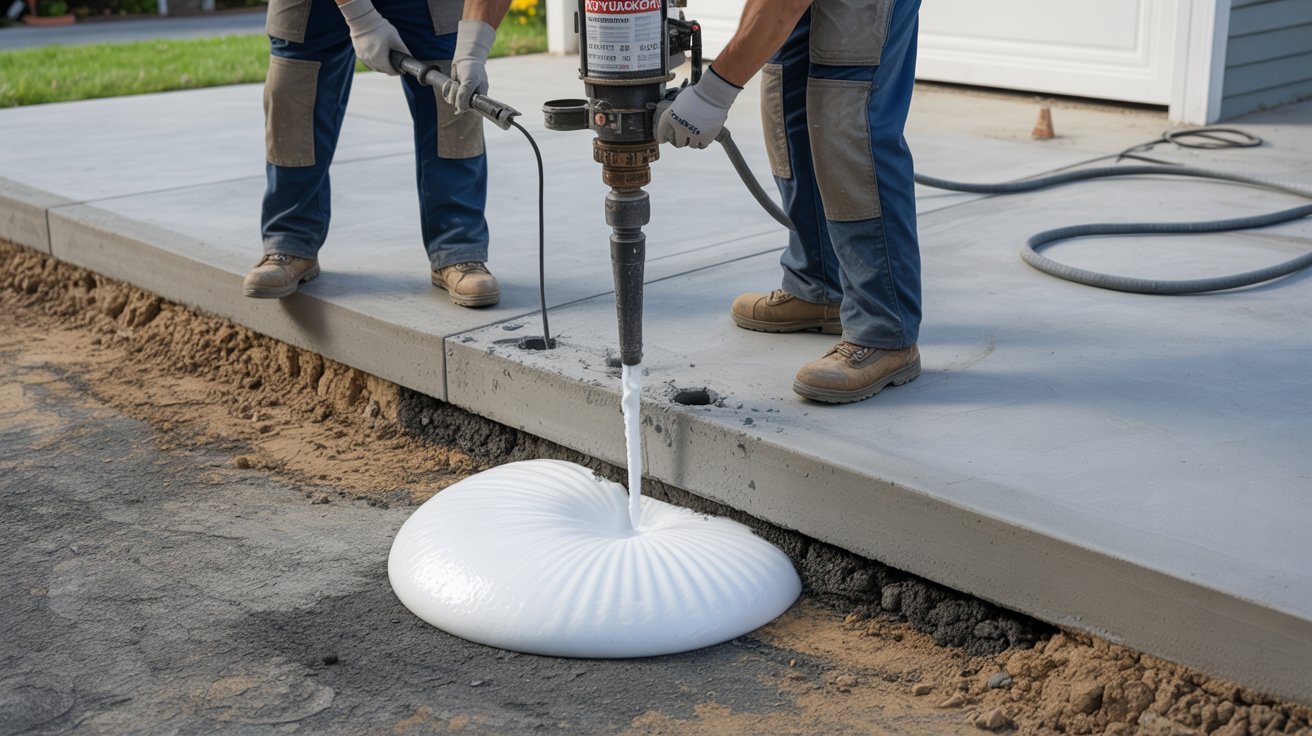
A modern concrete lifting method that uses expanding polyurethane foam for faster, longer-lasting results.
Polyjacking uses polyurethane foam instead of a mud slurry. The foam is injected through small holes, expands quickly, and lifts the slab within minutes.
It hardens fast, is lightweight, water-resistant, and works well even in tighter spots. Lightweight foam, smaller holes, fast cure, higher cost.
Advantages and Disadvantages of Polyjacking
Polyjacking is fast and long-lasting, but it costs more and is not always necessary for small jobs.
Advantages:
- Dries in under an hour, so there is no long wait time
- Lightweight foam puts no extra stress on the slab
- Leaves smaller, less visible holes after the job
- Holds up well against moisture for years
Disadvantages:
- Costs more upfront compared to mudjacking
- Uses synthetic foam, making it a less eco-friendly option
- Fewer contractors specialize in this method
- For minor repairs, it can honestly be more than you need
Polyjacking vs Mudjacking Comparison
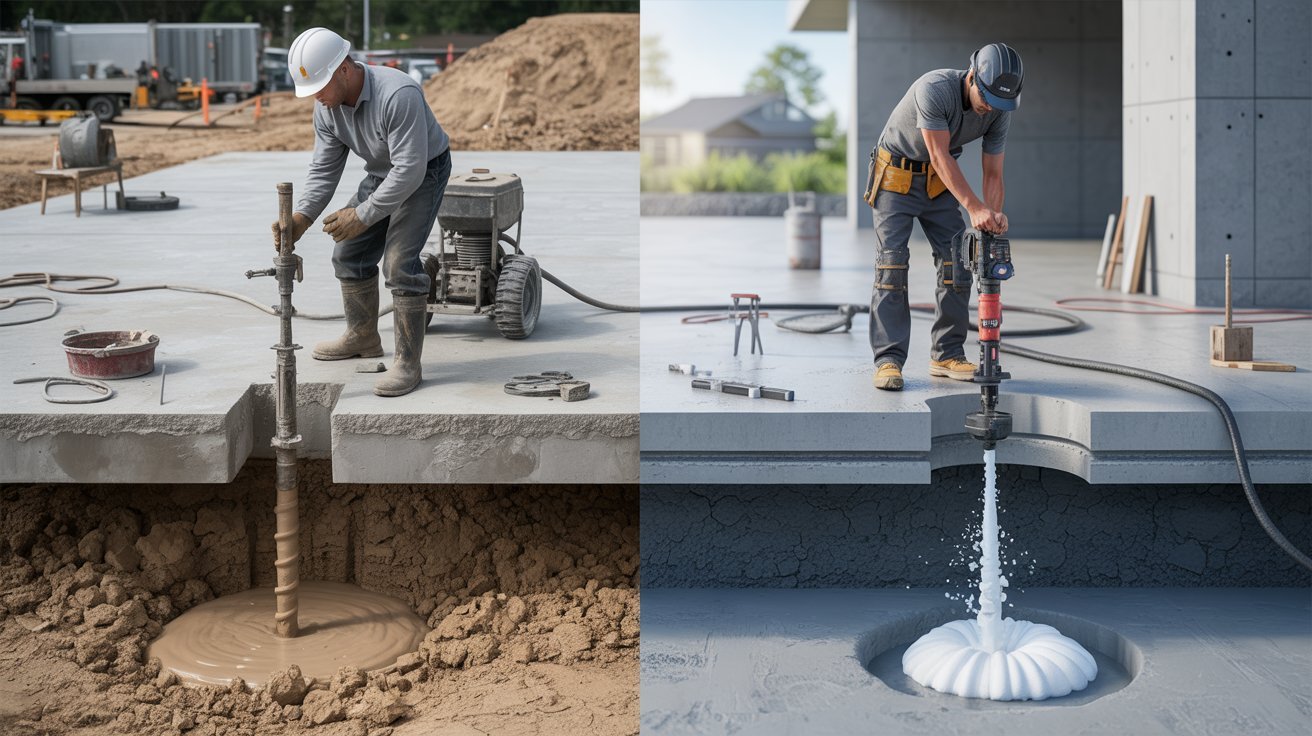
A detailed look at how both methods perform in real-world conditions.
|
Category |
Polyjacking |
Mudjacking |
|
Durability |
Doesn’t shrink, rot, or wash away. Lasts 10+ years with minimal issues |
Materials can degrade over time. Moisture and freeze-thaw cycles break it down faster |
|
Installation Time |
Most jobs are done in 1 to 2 hours. Surface ready almost right away |
Slurry needs time to cure. At least a day before normal use |
|
Soil Stability |
Expands to fill voids completely. Works better in unstable or loose soil |
Adds weight to weak soil. Can sometimes make the issue worse over time |
|
Appearance |
Smaller holes, around 5/8 of an inch. Easier to patch and less visible |
Larger holes, around 1 to 2 inches. More noticeable even after patching |
Polyjacking vs Mudjacking Cost: Which Is Worth It?
Cost is a big factor. Here’s what you’ll actually pay and what you get for your money.
Upfront Cost Comparison
Mudjacking is the cheaper option upfront, running between $3 and $6 per square foot. Polyjacking costs more, usually between $5 and $25 per square foot depending on the job size and your location.
For a simple walkway repair, mudjacking is the budget-friendly pick. For a larger driveway, polyjacking may be worth the extra spend.
Long-Term Value and Maintenance
Mudjacking may need to be redone within 5 to 8 years. Polyjacking, on the other hand, often lasts 15 or more years with no repeat treatment needed.
When you add up the cost of doing mudjacking twice or three times, the numbers start to shift. Polyjacking’s higher upfront cost tends to pay off the longer you own the property.
Cost vs Performance Analysis
If you’re on a tight budget and need a short-term fix, mudjacking gets the job done. But if you want to fix it once and not think about it again, polyjacking gives you better overall value.
It really comes down to how long you plan to stay in the home and how much traffic that concrete sees every day.
Which Is Better: Polyjacking or Mudjacking?
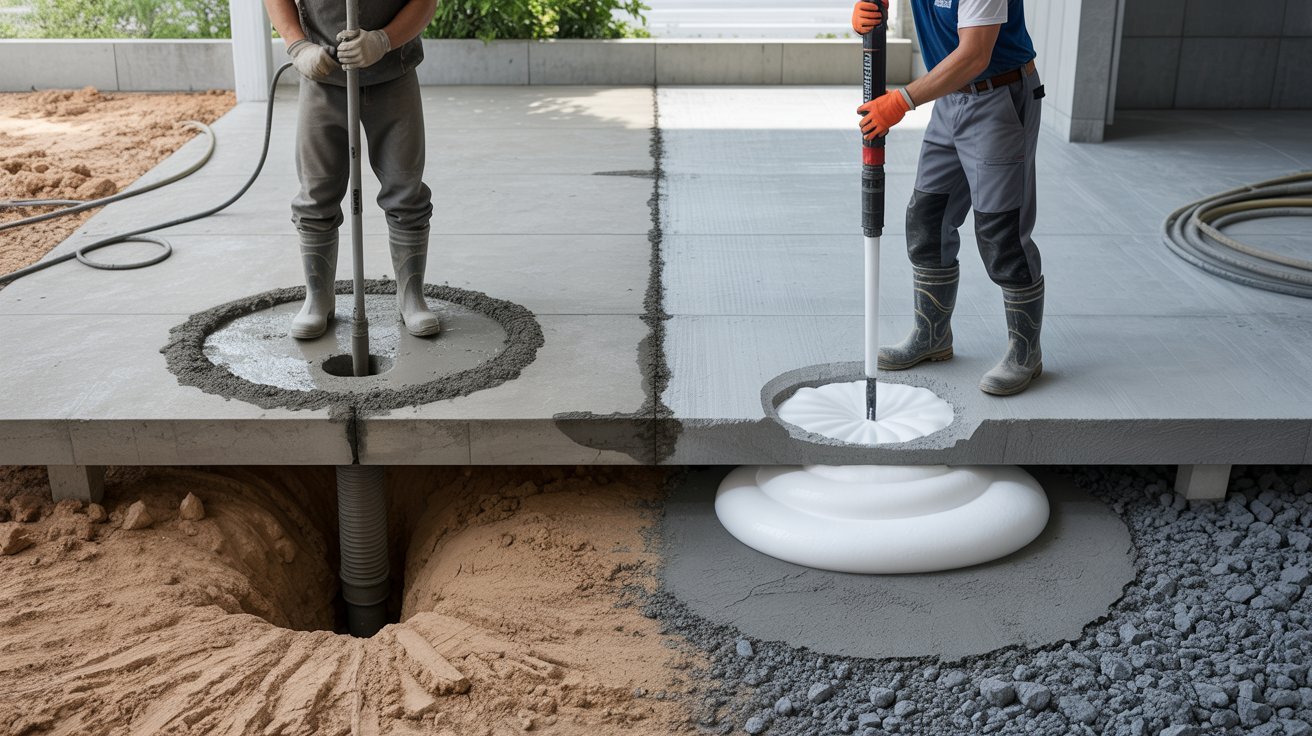
No single answer fits everyone. Here’s how to figure out which one is right for you.
Best for Budget-Friendly Repairs
Go with mudjacking if cost is your main concern. It’s a reliable fix for small repairs and low-traffic areas.
Best for Long-Term Results
Polyjacking wins here. It lasts longer, cures faster, and holds up better against moisture and shifting soil.
How to Choose Based on Your Needs
Ask yourself these questions:
- How long do I want the repair to last?
- Is this a high-traffic area?
- What’s my budget right now?
- Have I had this area repaired before?
Your answers will point you to the right method.
Tips for Choosing Between Polyjacking vs Mudjacking
Before you book a contractor, keep these tips in mind.
- Check your soil first. Loose or wet ground? Go with polyjacking. Mudjacking slurry can sink again in soft soil.
- Match the method to the area. Polyjacking for driveways, mudjacking works fine for patios and walkways.
- Do the math on long-term costs. A cheaper repair done twice costs more than one solid fix.
- Hire a concrete leveling specialist, not just any general contractor. Ask for photos and reviews before signing anything.
- Think past the upfront price. The repair that lasts longer almost always wins in the end.
Conclusion
Both polyjacking and mudjacking can fix sunken concrete, and honestly, neither is a bad choice. It just comes down to your budget, soil, and how long you want the fix to last.
From what I’ve seen, homeowners who went with polyjacking rarely looked back, while those who chose mudjacking sometimes had to redo it sooner than expected.
If you can stretch the budget a little, the longer-lasting option is usually worth it. Found this helpful? Drop a comment below or share it with someone dealing with the same concrete headache. It really does help.
Frequently Asked Questions
How long does polyjacking last compared to mudjacking?
Polyjacking typically lasts 10 to 15 years. Mudjacking usually lasts 5 to 8 years before it may need to be redone.
Is polyjacking safe for the environment?
Polyjacking uses synthetic foam, so it’s not the most eco-friendly option. Mudjacking uses natural materials like soil and cement, making it a greener choice.
Can I use either method on my driveway?
Yes, both can be used on driveways. However, polyjacking is generally better for high-traffic areas since it handles heavy loads more effectively.
How soon can I use my concrete after the repair?
With polyjacking, you can use the surface within an hour or two. Mudjacking requires a cure time of 24 to 72 hours before normal use.
Which method is less visible after repair?
Polyjacking uses smaller drill holes that are easier to patch cleanly. Mudjacking leaves larger holes that are more noticeable even after filling.