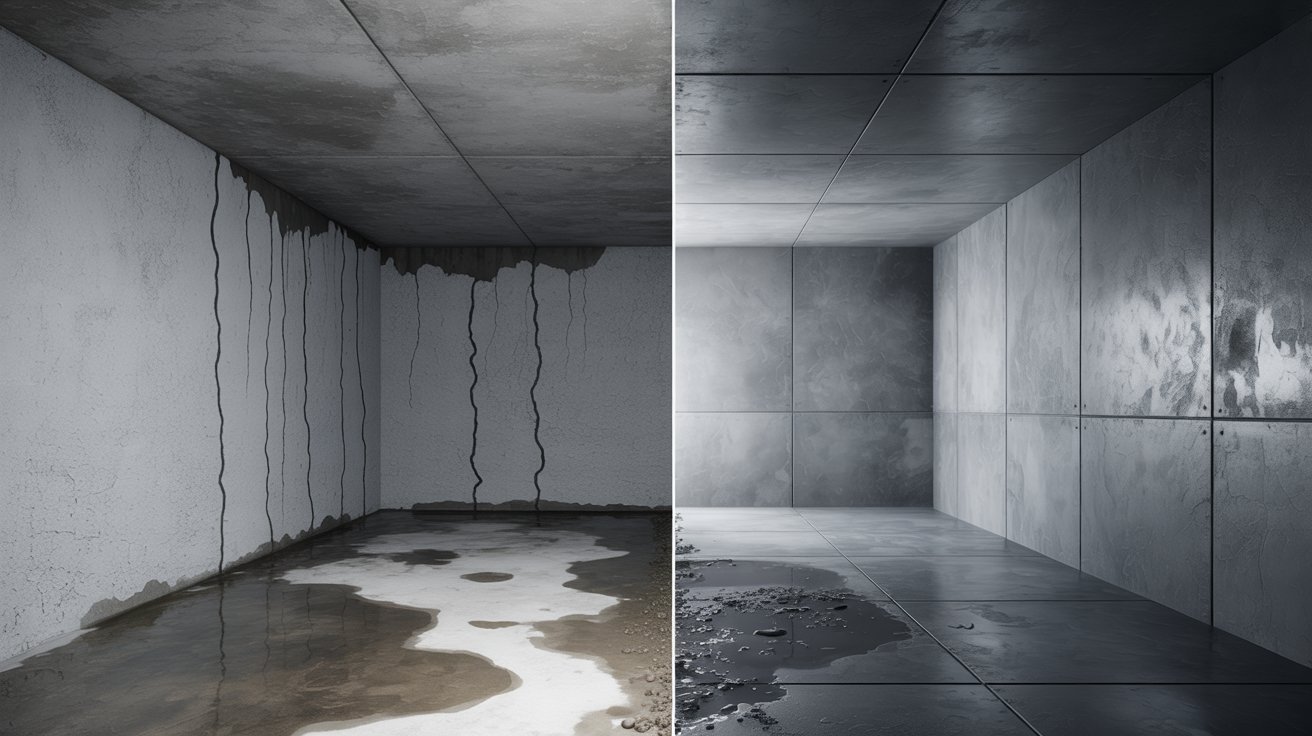
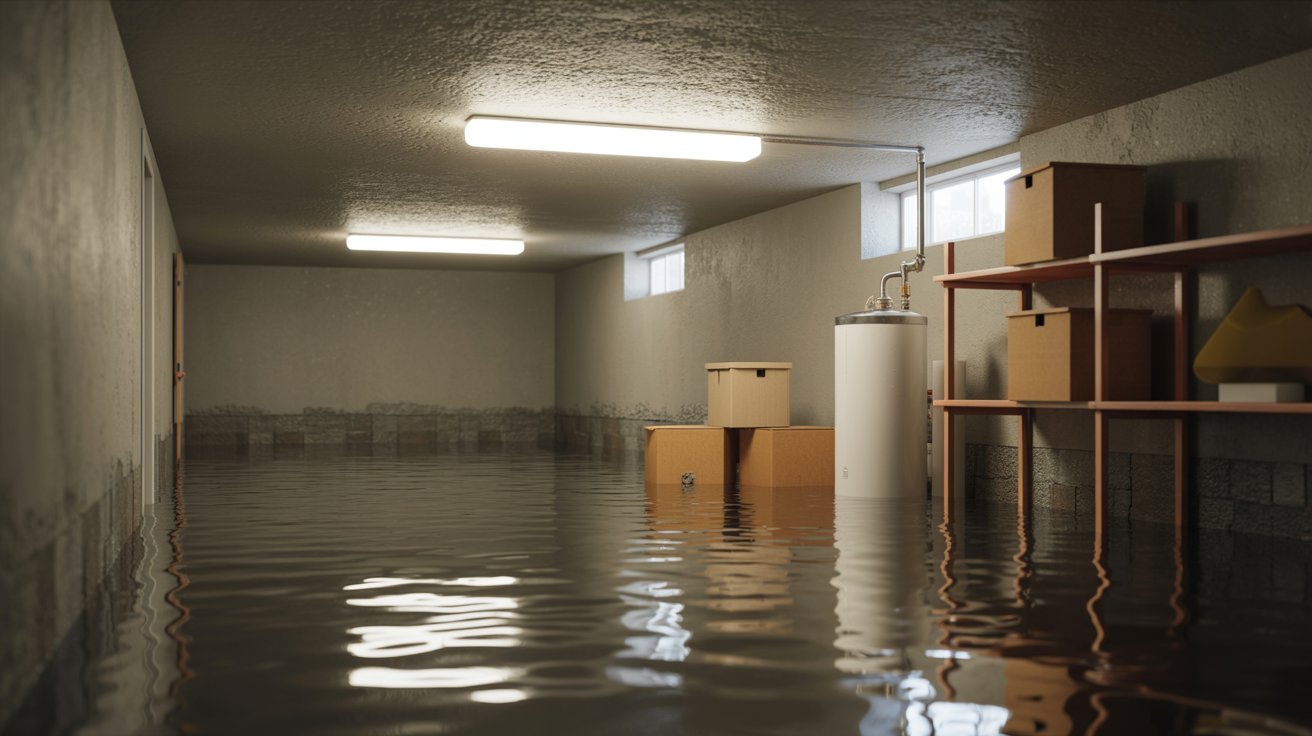
I’ve seen basements with just a small puddle turn into costly repairs weeks later. If you’re wondering how much water in the basement is bad, you’re not alone.
It’s one of the most common home concerns out there. Even a thin layer of water can lead to mold, structural damage, and high repair bills. In this article, I’ll walk you through what’s dangerous, why it matters, and how to fix it.
We’ll cover causes, warning signs, and real solutions. With solid research behind this guide, I’m here to give you clear, honest answers.
How Much Water Is Too Much in a Basement?
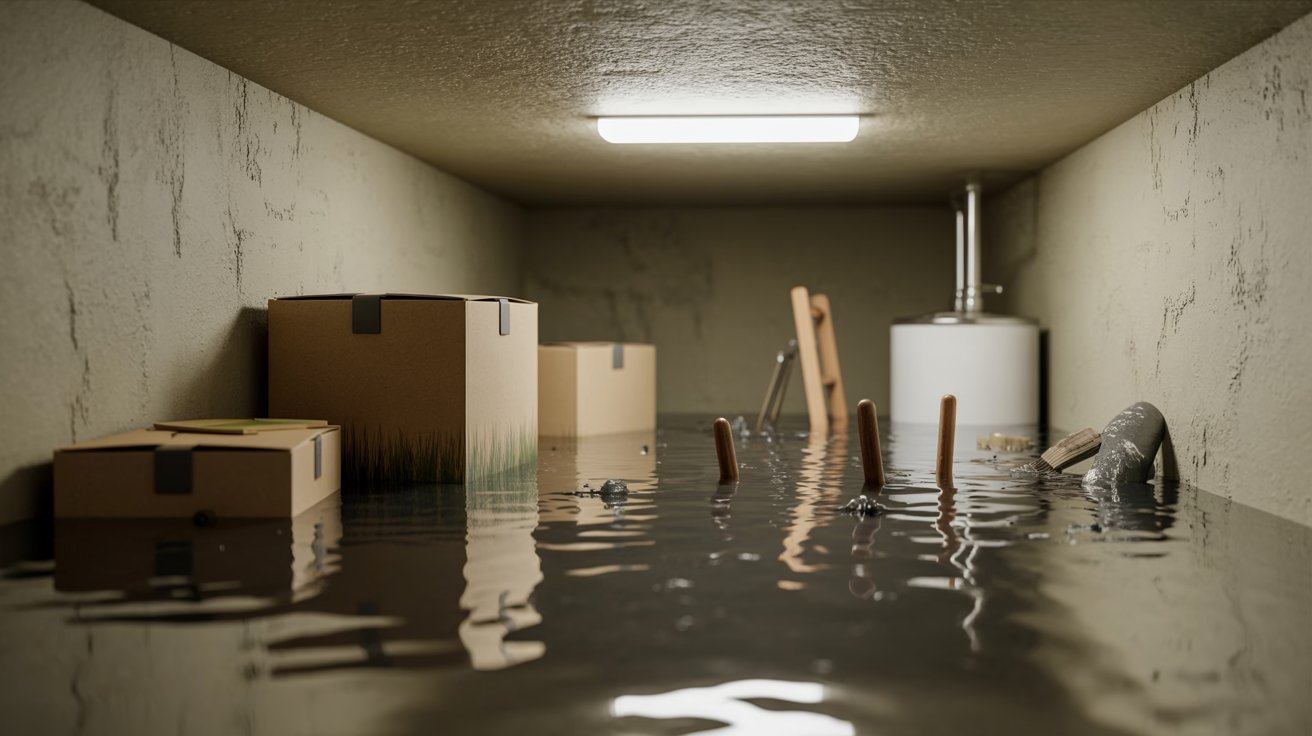
Any amount of water in your basement is a problem – there is no safe level. Even a small wet spot or damp wall creates the right conditions for mold and slowly weakens building materials.
Water becomes serious when it keeps returning after rain, pools in corners, leaves a musty smell, or causes cracks in walls and floors. Even one inch of standing water damages flooring, drywall, and stored items.
A one-time pipe leak is easier to fix, but recurring water almost always points to a deeper drainage or waterproofing issue.
Why Even Small Amounts of Basement Water Are a Big Problem
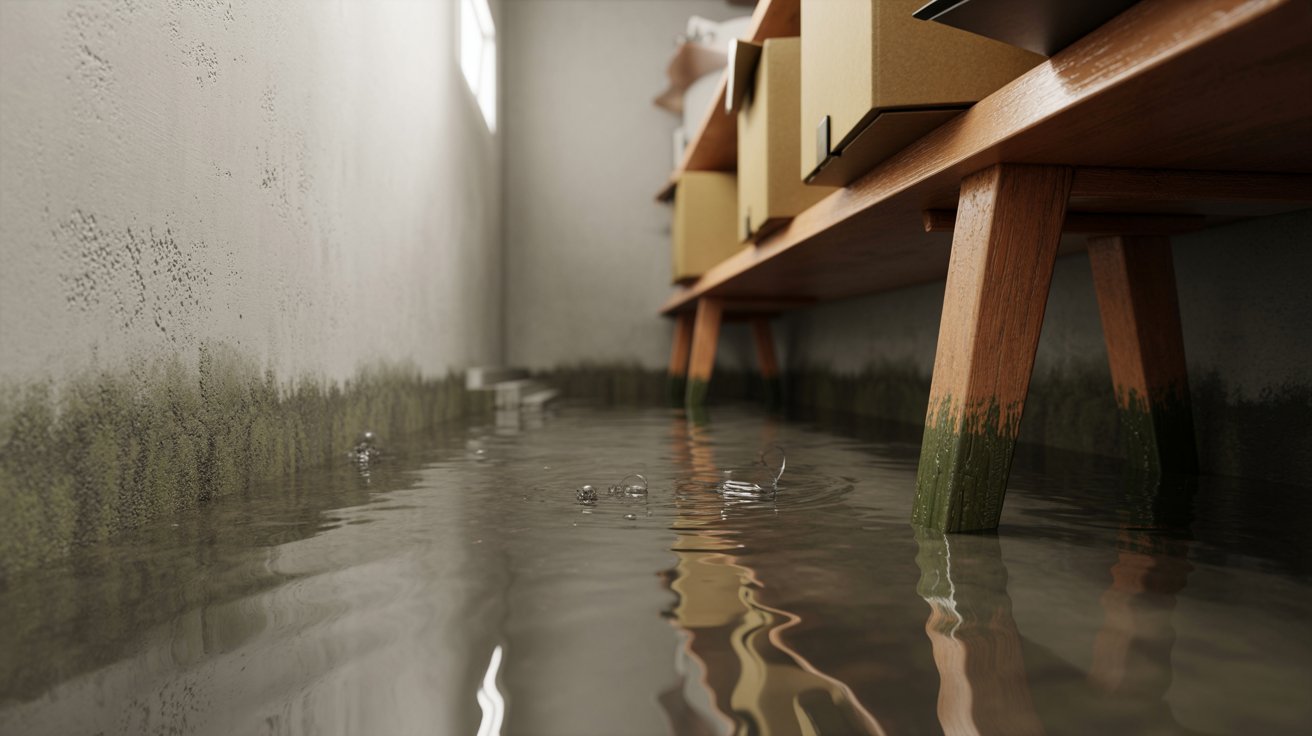
Water in the basement does more damage than most homeowners expect, even in small amounts.
Mold, Mildew, and Air Quality Issues
Mold starts growing within 24 to 48 hours of water exposure. Once it spreads, it’s hard and expensive to remove. It also affects the air quality in your whole home. People with allergies or asthma feel this the most.
Damage to Belongings and Living Space
Flooring, furniture, boxes, and appliances all suffer from moisture. Drywall soaks up water fast. Wood warps and rots. Once items are water-damaged, they often can’t be saved.
Increased Humidity and Energy Costs
Basement moisture raises the humidity level in your home. Your HVAC system then has to work harder. This leads to higher energy bills every month.
Risk to Foundation and Structure
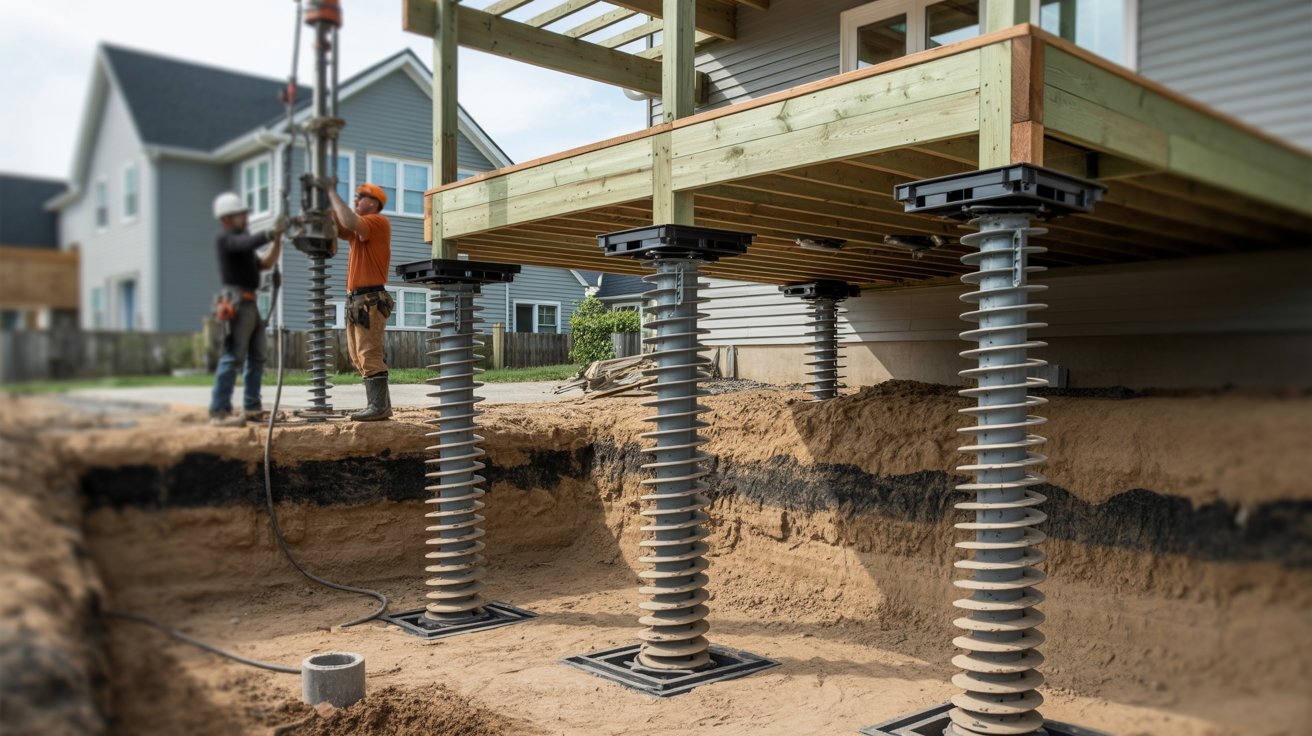
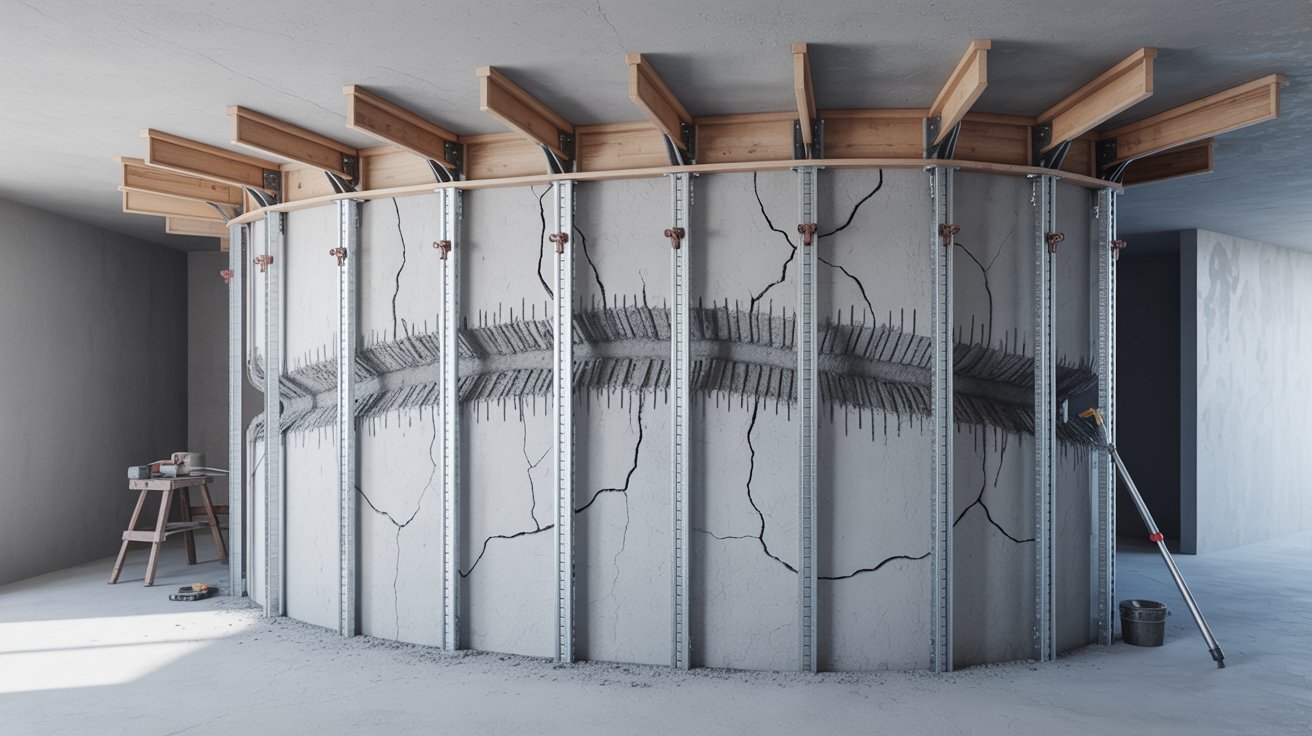
Ongoing water weakens concrete and mortar over time. Cracks grow. Walls shift. In severe cases, the foundation can become unstable. This is the most costly type of damage to repair.
Common Causes of Water in the Basement
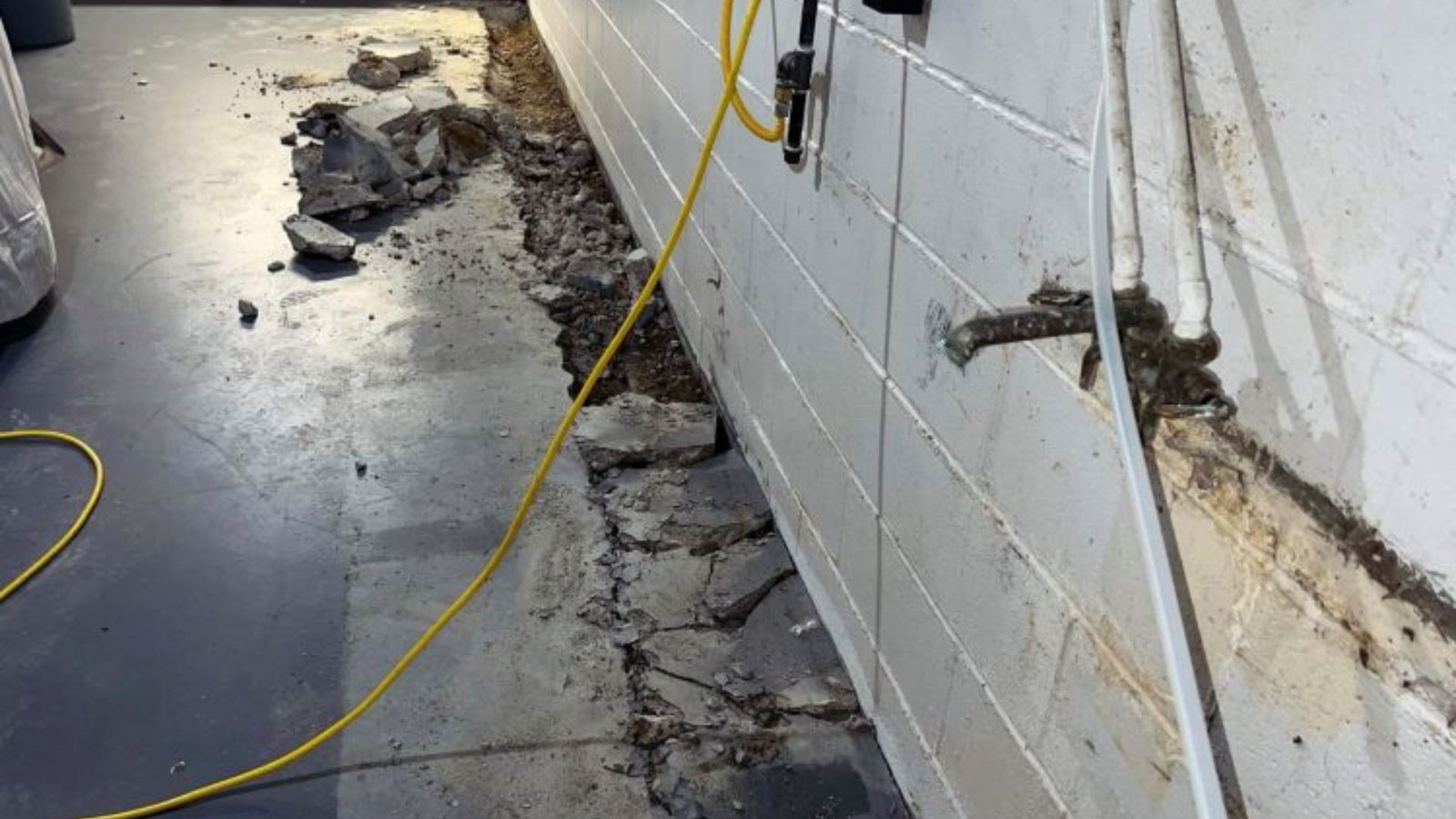
Water gets into basements for several reasons, and knowing them helps you act fast.
- Poor grading is one of the biggest culprits. When soil slopes toward your foundation, water flows straight to it.
- Foundation cracks, even small hairline ones, let water seep in and grow worse over time.
- Hydrostatic pressure builds when saturated soil pushes against your walls, forcing water through any opening it can find.
- Basement windows sitting close to ground level are another weak point, especially with worn seals or poorly draining window wells.
- A failed sump pump during heavy rain can flood a basement quickly, and condensation from warm air hitting cold walls adds to the moisture problem silently over time.
Warning Signs Your Basement Water Problem Is Serious
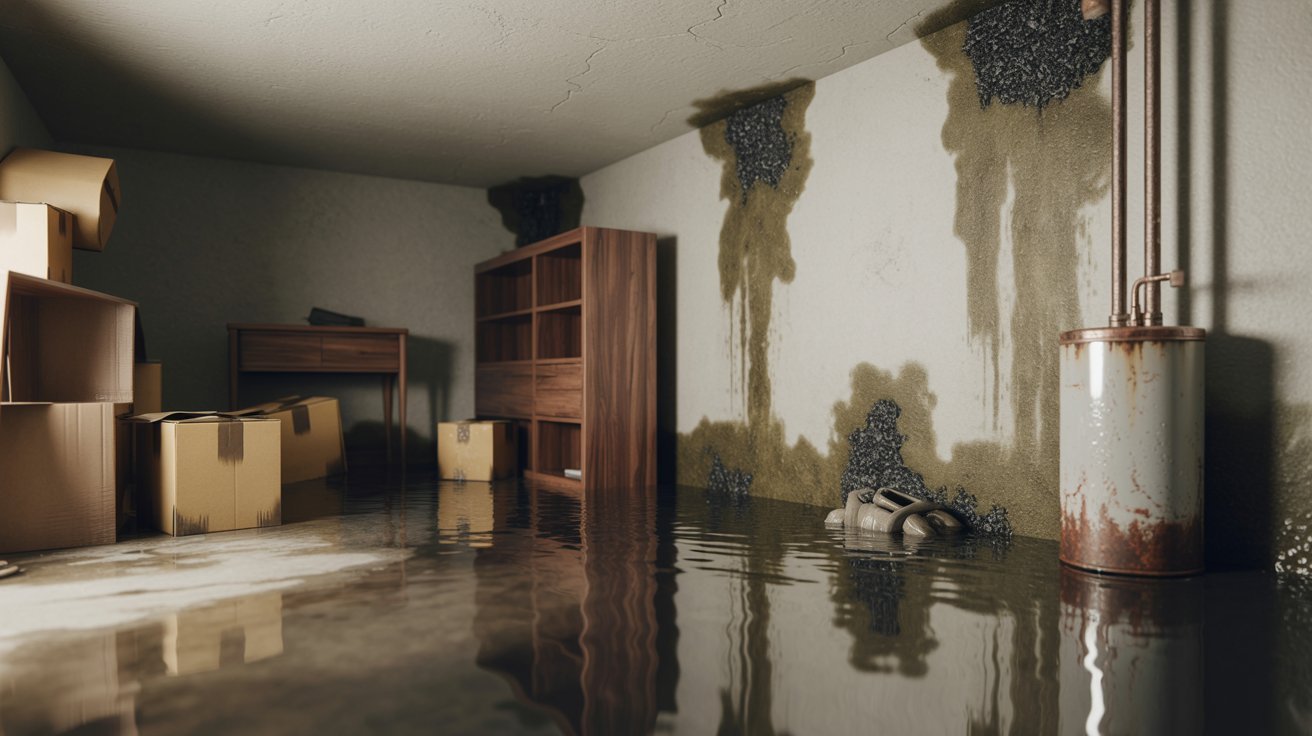
These signs tell you the water problem in your basement needs immediate attention right away.
Standing Water or Frequent Flooding
If you see standing water on the floor or flooding after rain, act right away. This level of water causes fast and serious damage to your home.
Musty Odors or Mold Growth
A musty smell is a clear sign of mold or mildew. You might not see it right away, but it’s likely growing behind walls or under flooring.
Cracks, Gaps, or Uneven Floors
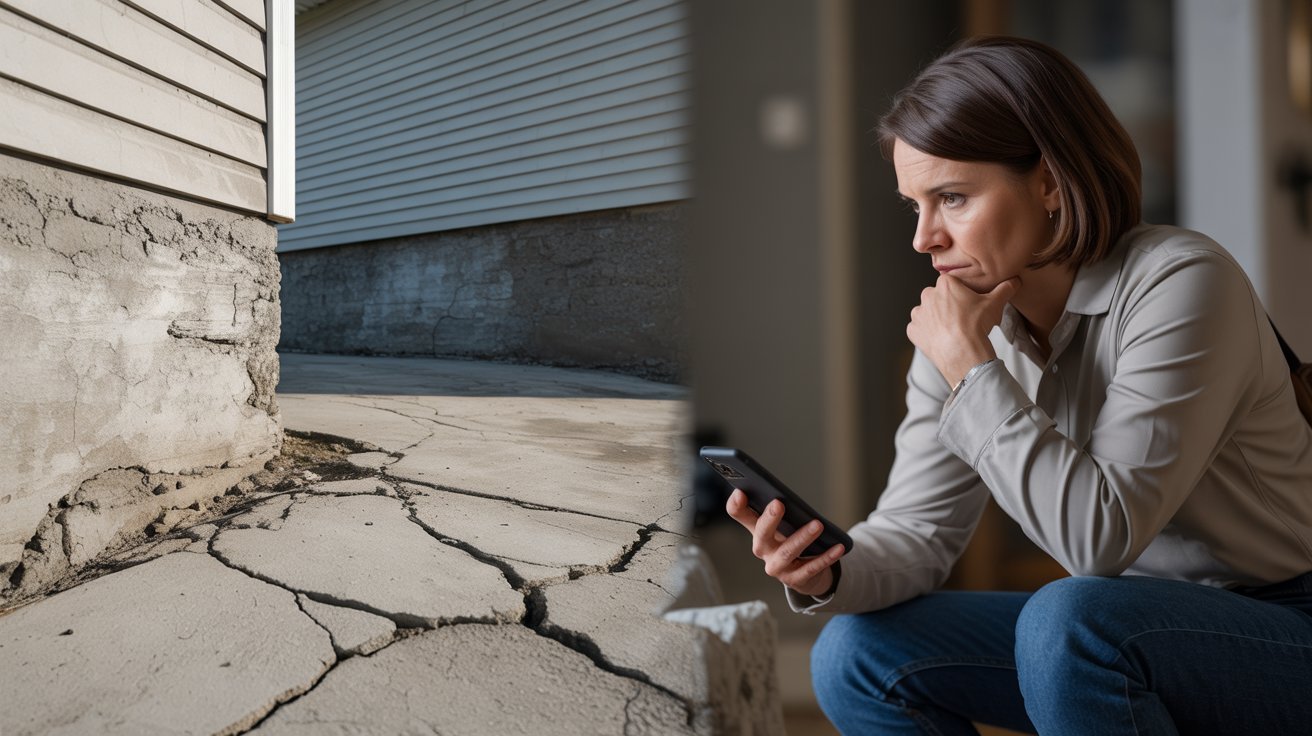
Growing cracks in walls or uneven spots on the floor signal structural movement. Water is often the cause. Don’t ignore these signs.
Sticking Doors and Windows
When doors or windows in your home start sticking, it can mean the frame has shifted. This sometimes happens when moisture affects the foundation or structure.
How to Fix and Prevent Water in Basement
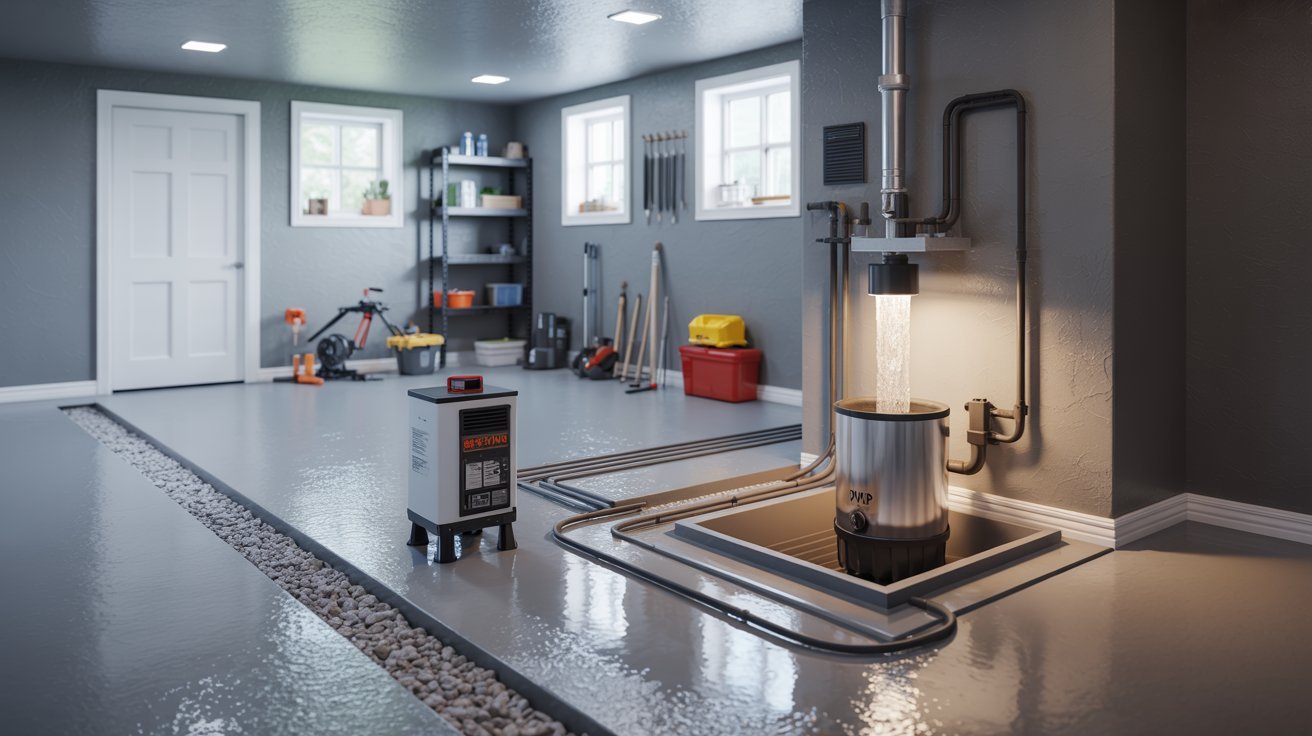
Simple fixes done early can save you thousands in repairs down the road.
Identify and Stop the Source
Find where the water is entering before doing anything else. Check walls, floors, and windows. Knowing the source makes every repair more targeted and effective.
Improve Drainage and Downspouts
Clean your gutters and make sure downspouts push water at least 6 feet from the house. Check that the soil around your foundation slopes away from the structure.
Seal Cracks and Waterproof Walls
Fill foundation cracks with hydraulic cement or an epoxy injection kit. Follow up with a waterproof sealant on basement walls. It is a solid starting point for most homeowners.
Install a Sump Pump and Drainage System
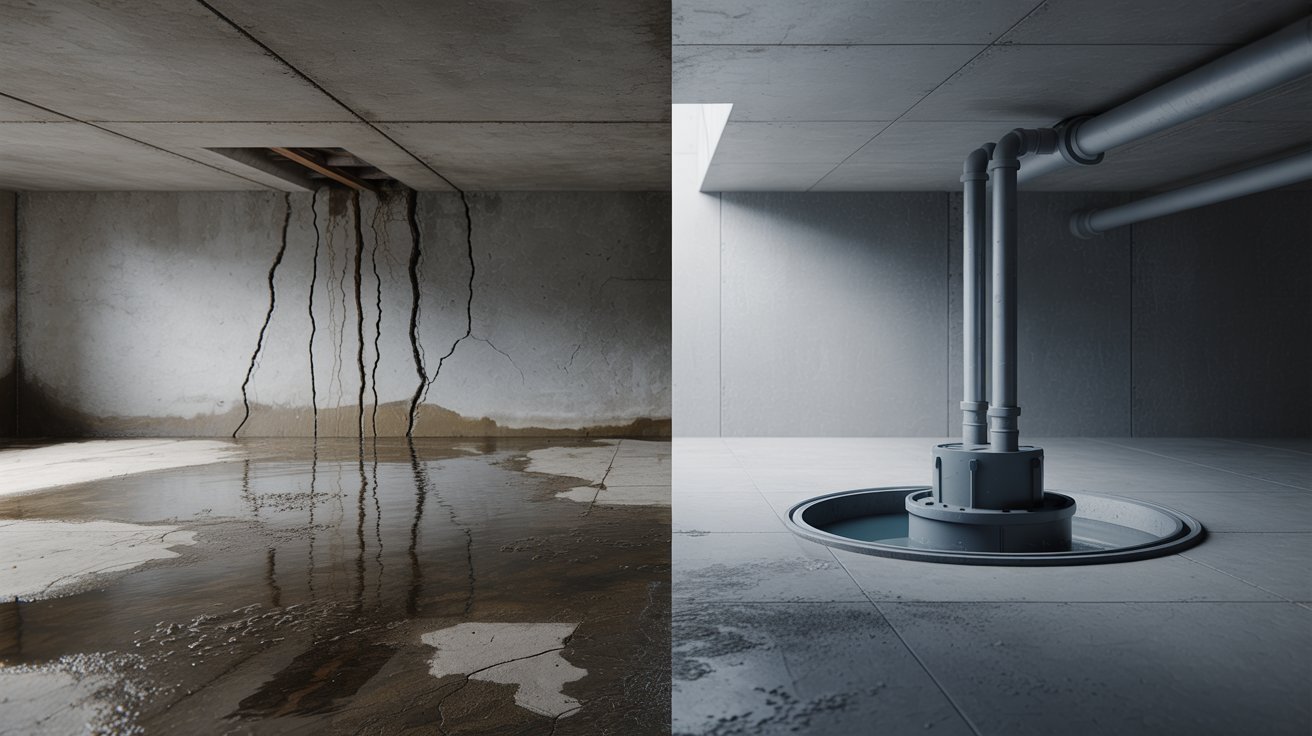
A sump pump removes water that collects beneath your basement floor. For ongoing issues, a French drain can redirect water away from the foundation. Both are worth the investment.
Expert Tips to Keep Your Basement Dry
- Act early and never ignore a small leak, even if it seems minor
- Clean gutters and check drainage after every heavy rain season
- Use a basic hygrometer to keep an eye on basement humidity levels
- Inspect your foundation and sump pump at least once a year
- Consider waterproofing if your area gets heavy rain or has a high water table
Conclusion
No amount of water in the basement is safe, and I’ve seen firsthand how quickly small issues snowball into expensive problems. How much water in the basement is bad?
Any amount that keeps returning. The sooner you act, the less damage you face and the less money you spend.
Start simple: check your drainage, seal visible cracks, and watch for warning signs. If you’ve dealt with this at home, I’d love to know what worked for you.
Drop a comment below or share this post with someone who needs it.
Frequently Asked Questions
Can a small amount of water in the basement cause mold?
Yes, even a tiny amount of moisture can lead to mold within 24 to 48 hours. Mold thrives in damp, dark spaces and spreads fast if left alone.
How do I know if my basement water problem is structural?
Signs like growing cracks in walls, uneven floors, or bowing walls often point to structural issues. A professional inspection can confirm this and recommend the right repairs.
Is basement water covered by homeowners insurance?
It depends on the cause. Sudden damage from a burst pipe may be covered, but flooding from outside or poor drainage usually is not. Check your policy carefully before filing a claim.
How much does it cost to fix water in a basement?
Costs vary widely. Simple sealant jobs can cost a few hundred dollars. Full waterproofing or foundation repairs can run several thousand. Getting multiple quotes is always a smart move.
Should I use a dehumidifier even if I don’t see water?
Yes. Humidity alone causes damage over time. A dehumidifier helps keep moisture levels low and protects your basement even when there’s no visible water present.