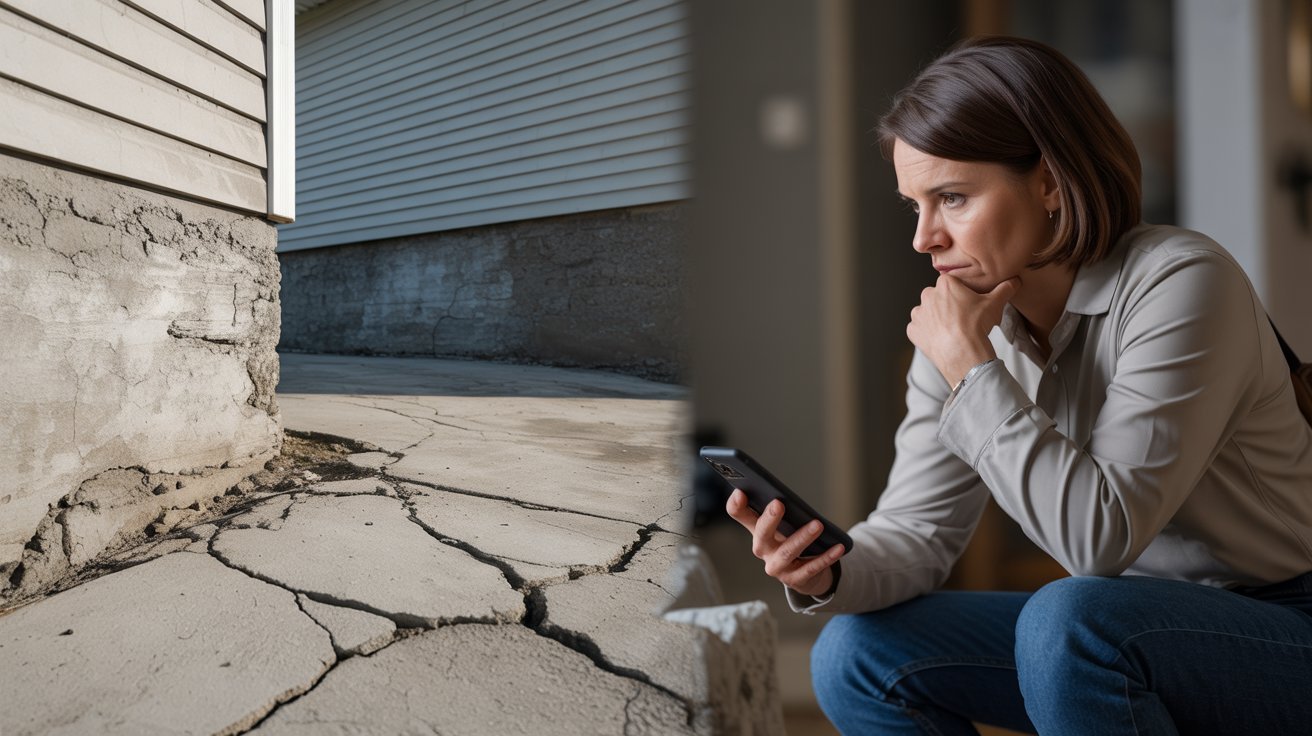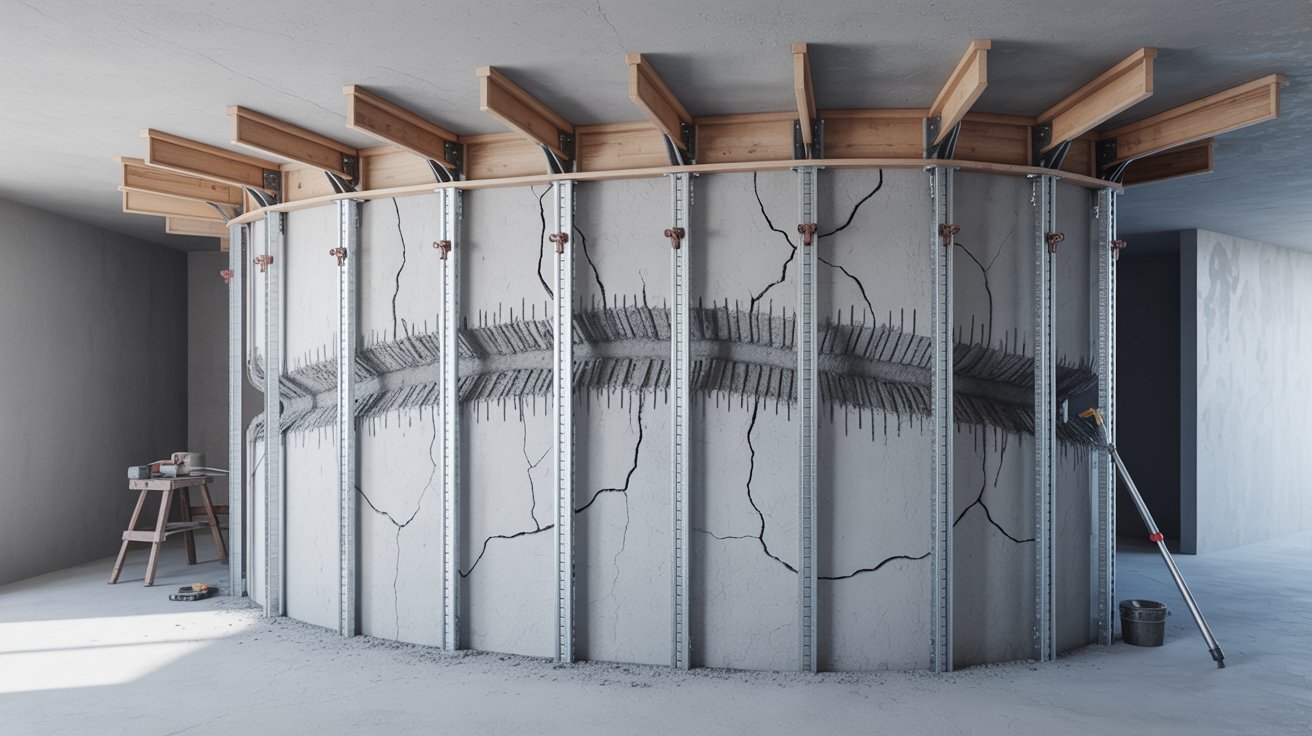

If your floors are sloping or your doors won’t close right, you’re probably dealing with a foundation issue. I know how stressful that feels. The first question most people ask is: how much does it cost to level a house?
In this blog, I’ll cover average costs, what drives prices up, and how different foundation types affect your bill. I’ve spent a lot of time researching home repair topics, so you’re getting real numbers, not guesswork.
By the end, you’ll know exactly what to expect and when to call a pro.
How Much Does It Cost to Level a House?
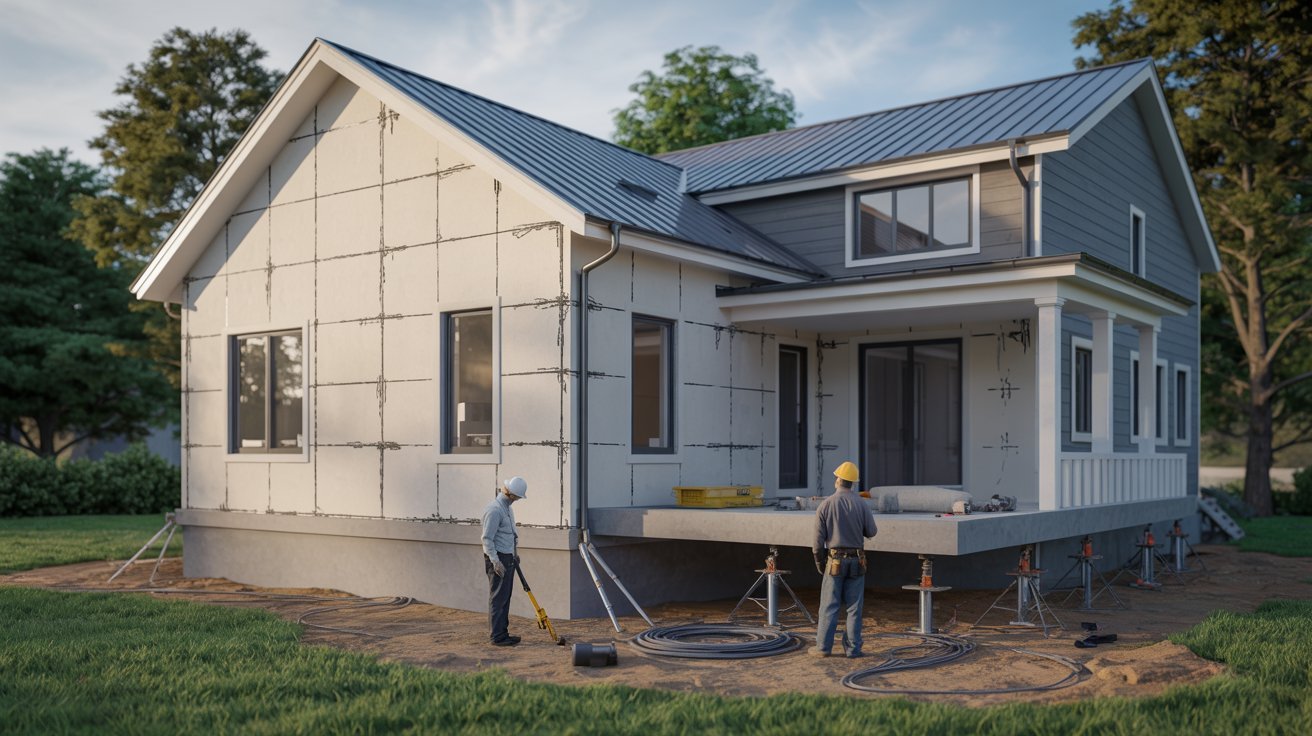
House leveling costs can vary quite a bit depending on what’s going on under your home. The typical range is $10,000 to $30,000, but minor repairs can come in under $5,000 and major structural work can push past $50,000.
Minor leveling or floor repairs usually run $1,000 to $5,000, moderate foundation work falls around $5,000 to $15,000, and major structural leveling can hit $15,000 to $50,000 or more.
The final price depends on your home’s size, how bad the damage is, your foundation type, and where you live.
What Is House Leveling and Why Does It Matter?
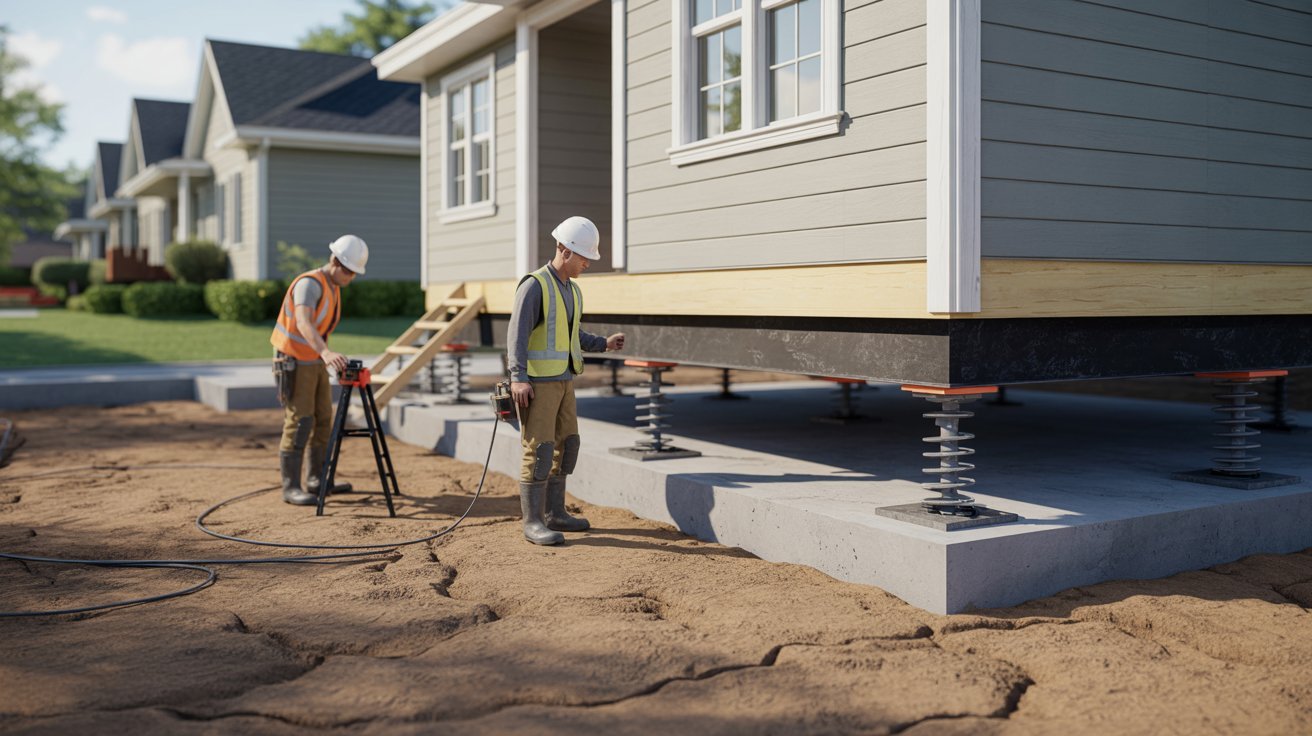
Before spending money, it helps to know exactly what you’re paying for.
What House Leveling Means
House leveling is the process of correcting a structure that has shifted or sunk unevenly. This is different from floor leveling, which only fixes the surface inside. Foundation leveling deals with the actual base of your home.
Why Homes Need Leveling
Homes settle over time. But some settle too much or unevenly. The main causes include:
- Soil movement from moisture changes
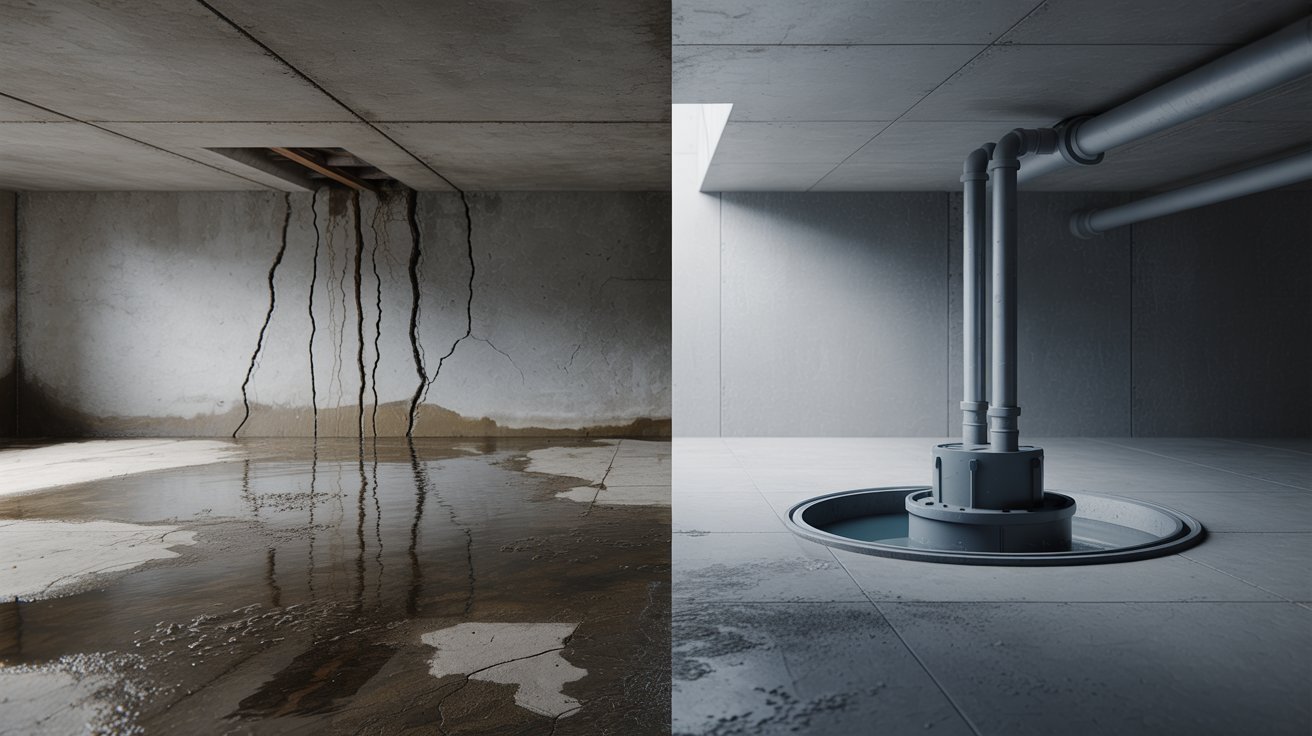
- Poor drainage around the foundation
- Tree roots pulling water from the soil
- Aging materials like wooden piers or blocks
Left alone, these issues get worse and more expensive to fix.
How Much Does It Cost to Level a House Foundation?
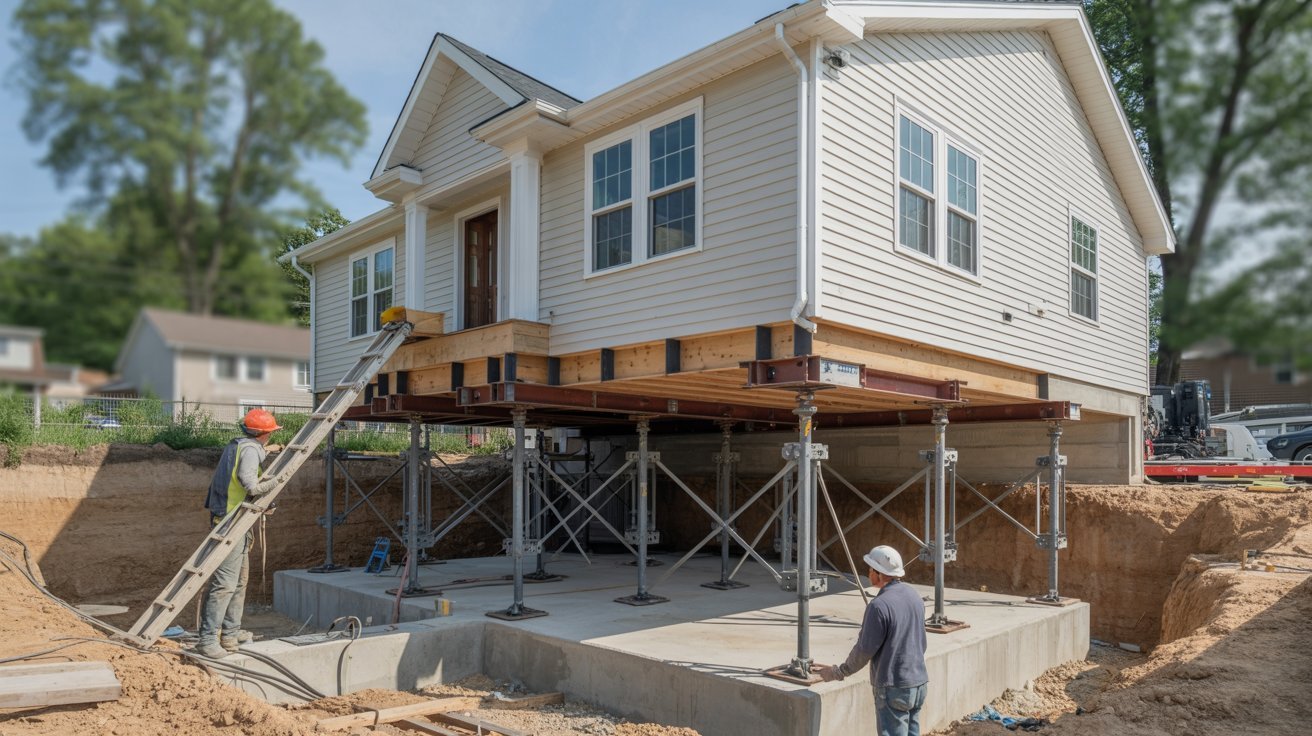
Foundation repairs are the most involved, and often the most costly part of leveling.
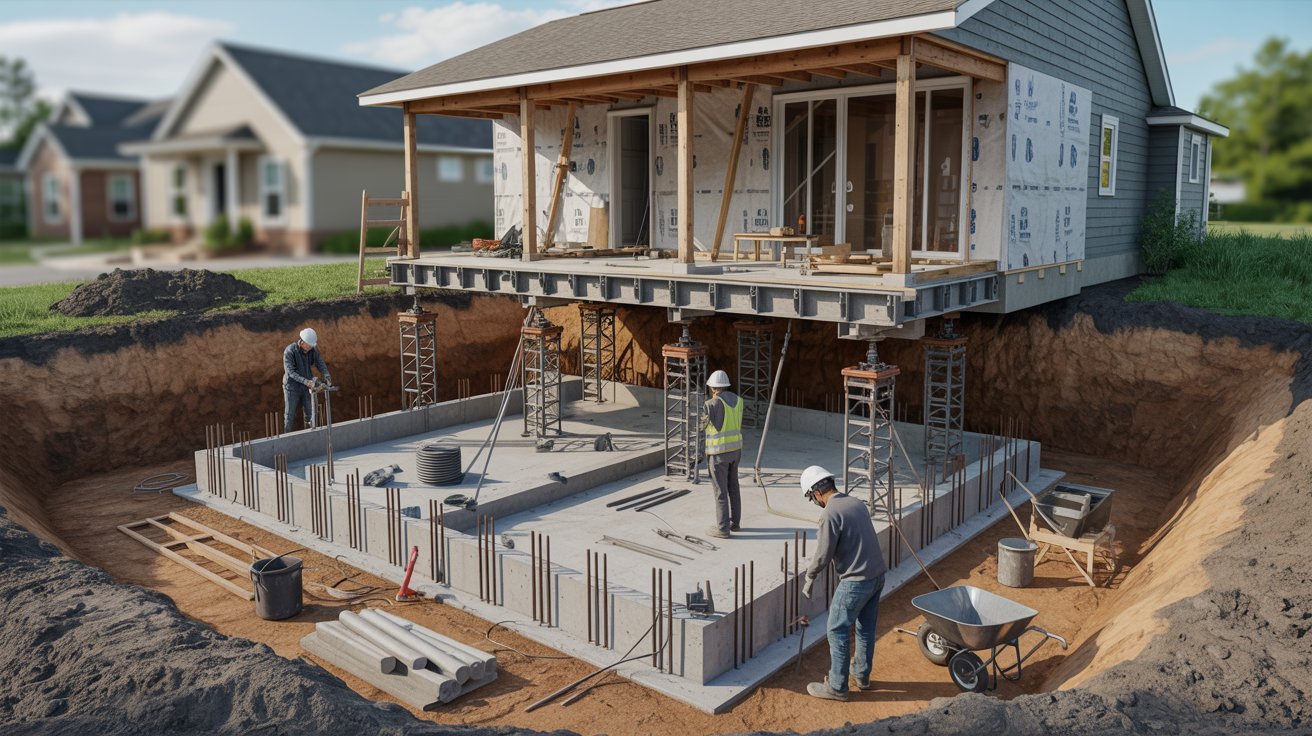
Cost Breakdown by Severity
Minor repairs involve filling small cracks or shimming a few piers. These usually cost between $1,500 and $5,000.
Moderate repairs may require adding piers or mudjacking under a slab. Expect to pay $5,000 to $15,000.
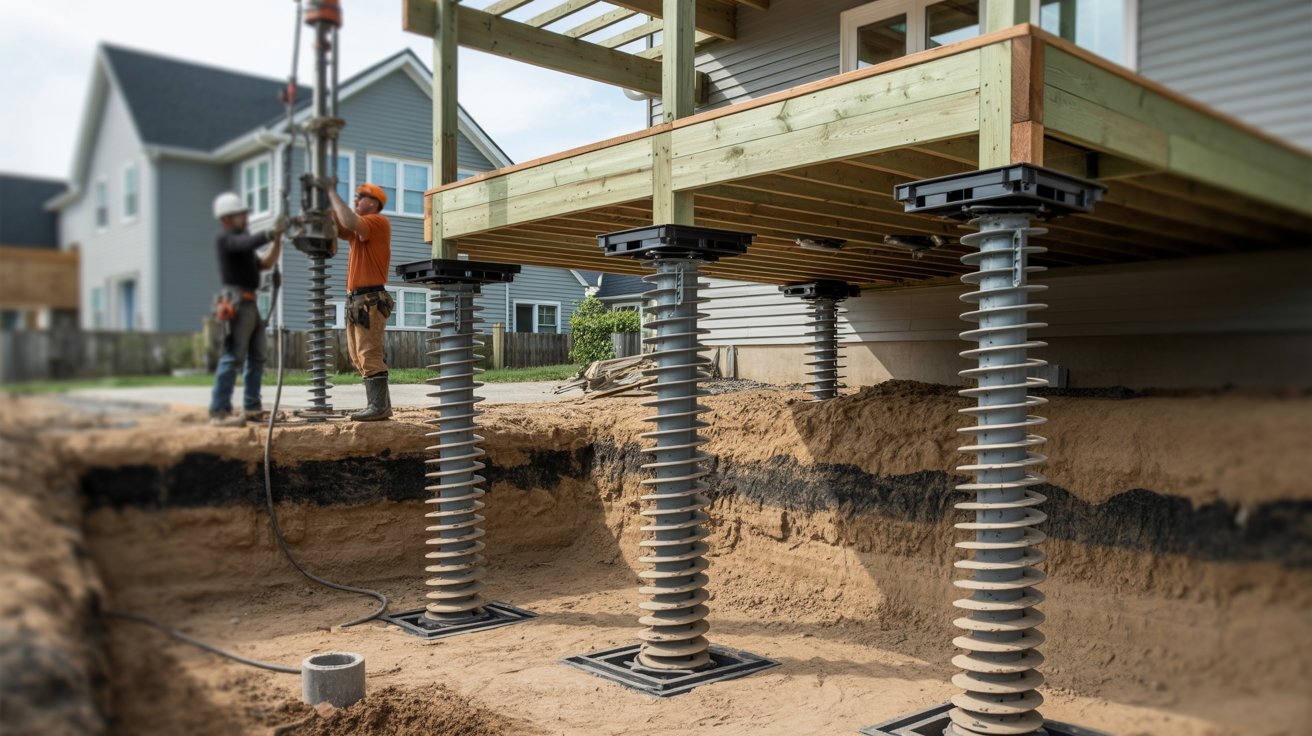
Major repairs like replacing a full pier and beam system or installing helical piers can run $20,000 to $50,000 or more.
What’s Included in the Cost
When you get a quote, it usually covers:
- Labor from licensed contractors
- Materials like piers, foam, or concrete
- Permits required by your city or county
- Follow-up repairs for cracks or flooring damage
Always ask for an itemized estimate before agreeing to anything.
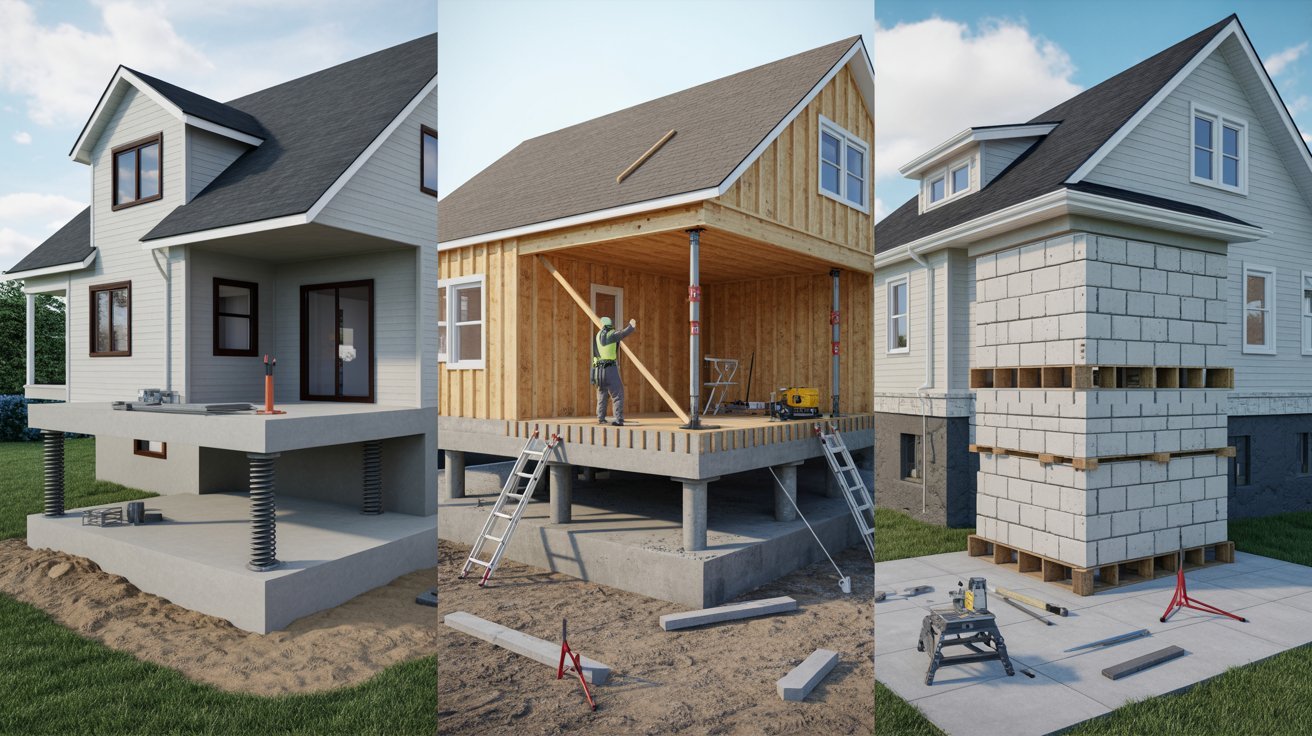
How Much Does It Cost to Level a House on a Slab, Piers, or Blocks?
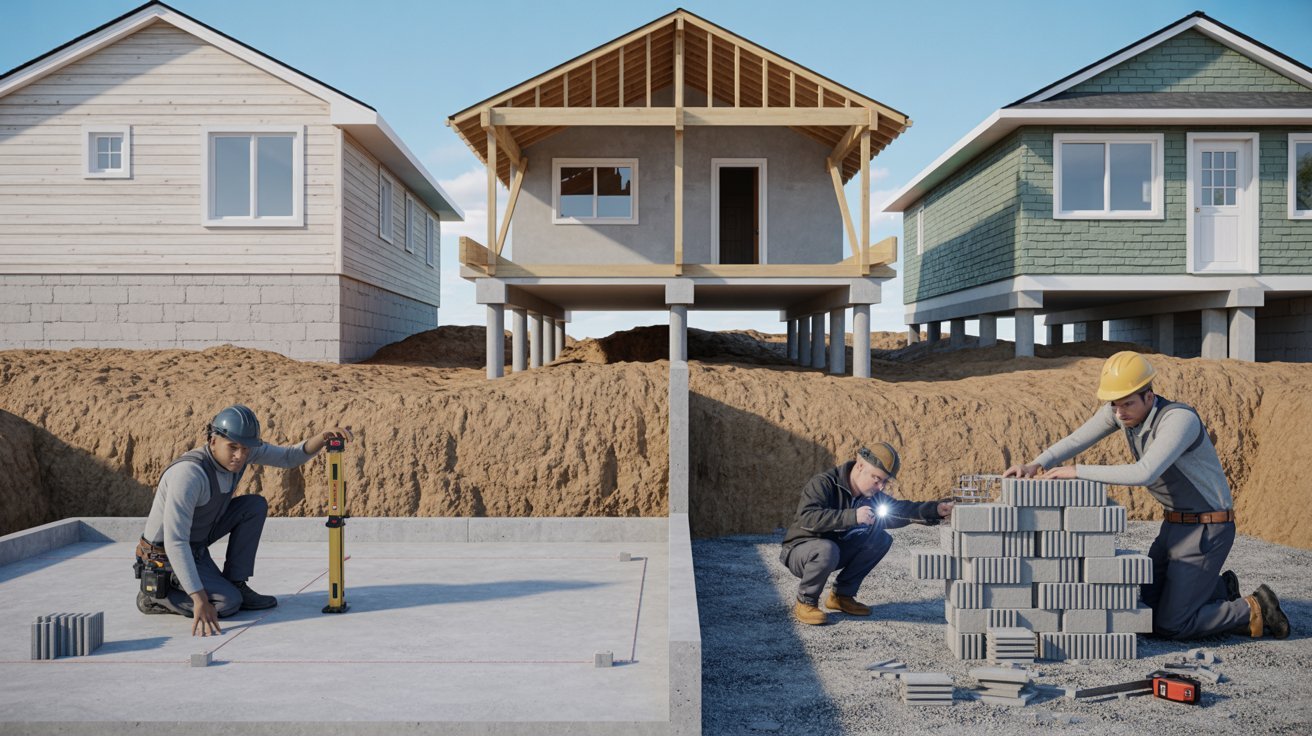
Foundation type matters a lot here. Different foundations need different repair methods, and the prices vary.
Slab Foundation Cost
Two common methods are used for slab foundations:
Mudjacking pumps a mix of water, soil, and cement under the slab to lift it. It typically costs $3 to $8 per square foot, or around $600 to $2,500 for a section.
Foam leveling uses expanding polyurethane foam. It’s faster and lighter, but costs more, around $5 to $25 per square foot.
Pier and Beam Foundation Cost
Pier and beam homes are common in older neighborhoods. Repairs often involve:
- Replacing rotted wood beams: $1,500-$5,000
- Adding helical piers: $1,500-$3,000 per pier
- Full pier system replacement: $10,000-$20,000+
Helical piers screw deep into stable soil and are one of the most reliable long-term fixes.
Block Foundation Cost
Block foundations use concrete or wood blocks as supports. Over time, blocks shift or rot.
Shimming involves adding material under blocks to re-level them. This is one of the more affordable fixes, often running $500 to $3,000 depending on how many points need attention.
How Much Does It Cost to Level a House Floor?
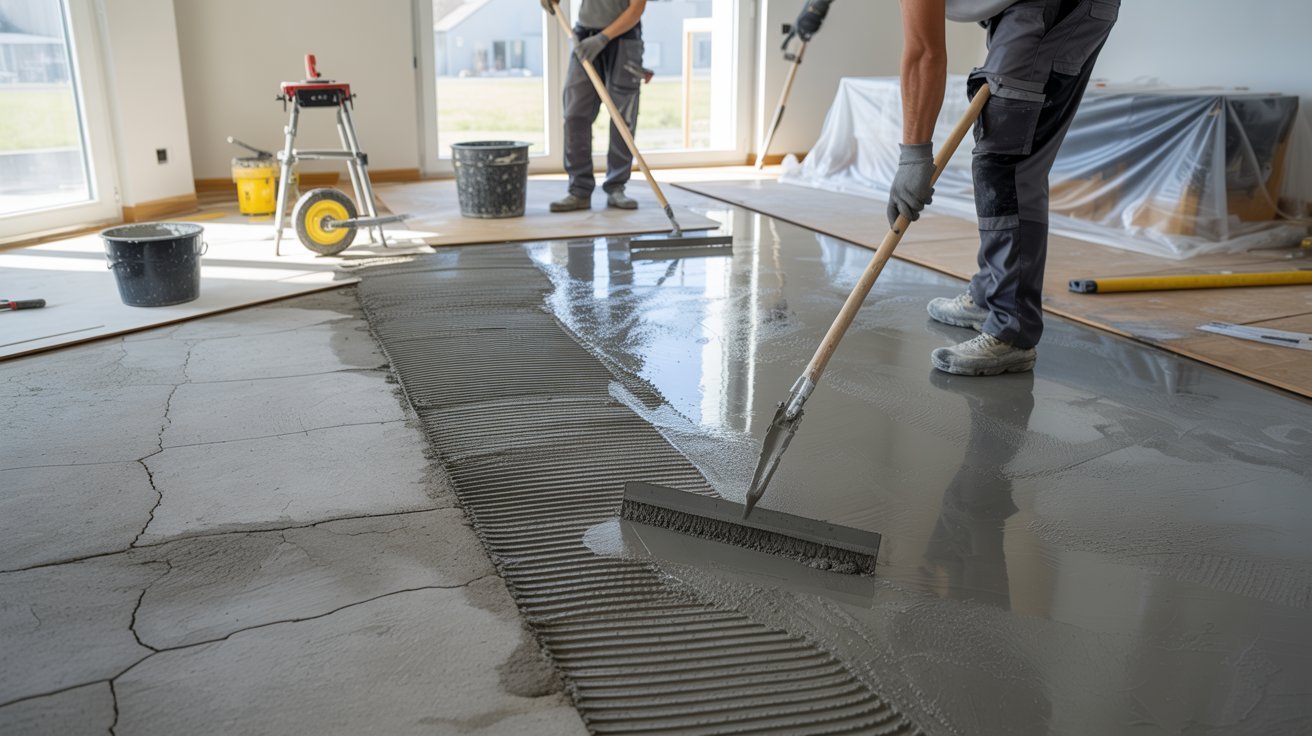
Sometimes the issue is just the floor inside, not the full foundation.
Floor Leveling Cost Per Square Foot
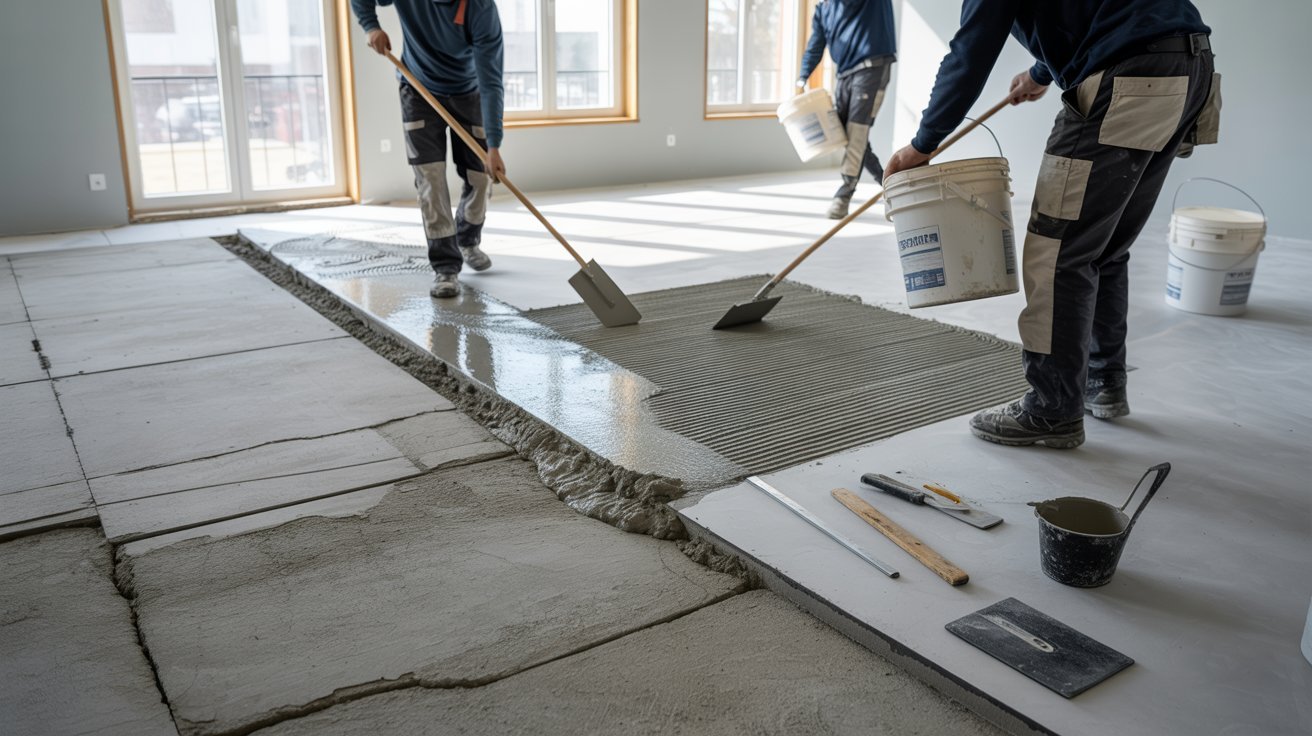
Self-leveling compounds or grinding down high spots typically costs $3 to $5 per square foot. For a 500 sq. ft. area, that’s roughly $1,500 to $2,500.
Floor Leveling vs Full House Leveling
Floor leveling is a surface fix. It works when the structure underneath is still solid. If the foundation has shifted, floor leveling alone won’t solve the problem. You’d just be covering up the real issue.
Cost of a Level A House Foundation?
|
Repair Type |
Details |
Cost Range |
|
Minor Foundation Repair |
Filling cracks, shimming piers |
$1,500 – $5,000 |
|
Moderate Foundation Repair |
Adding piers, mudjacking |
$5,000 – $15,000 |
|
Major Foundation Repair |
Full pier system, helical piers |
$20,000 -$50,000+ |
Cost by Foundation Type
| Foundation Type | Method | Cost Range |
| Slab | Mudjacking | $3-$8 per sq. ft. / $600-$2,500 |
| Slab | Foam Leveling | $5-$25 per sq. ft. |
| Pier and Beam | Replacing rotted beams | $1,500-$5,000 |
| Pier and Beam | Adding helical piers | $1,500-$3,000 per pier |
| Pier and Beam | Full pier replacement | $10,000-$20,000+ |
| Block Foundation | Shimming and re-leveling | $500-$3,000 |
Floor Leveling Costs
| Type | Method | Cost Range |
| Floor Leveling | Self-leveling compound or grinding | $3-$5 per sq. ft. |
| 500 sq. ft. Area | Estimated total | $1,500-$2,500 |
Key Factors That Affect House Leveling Cost
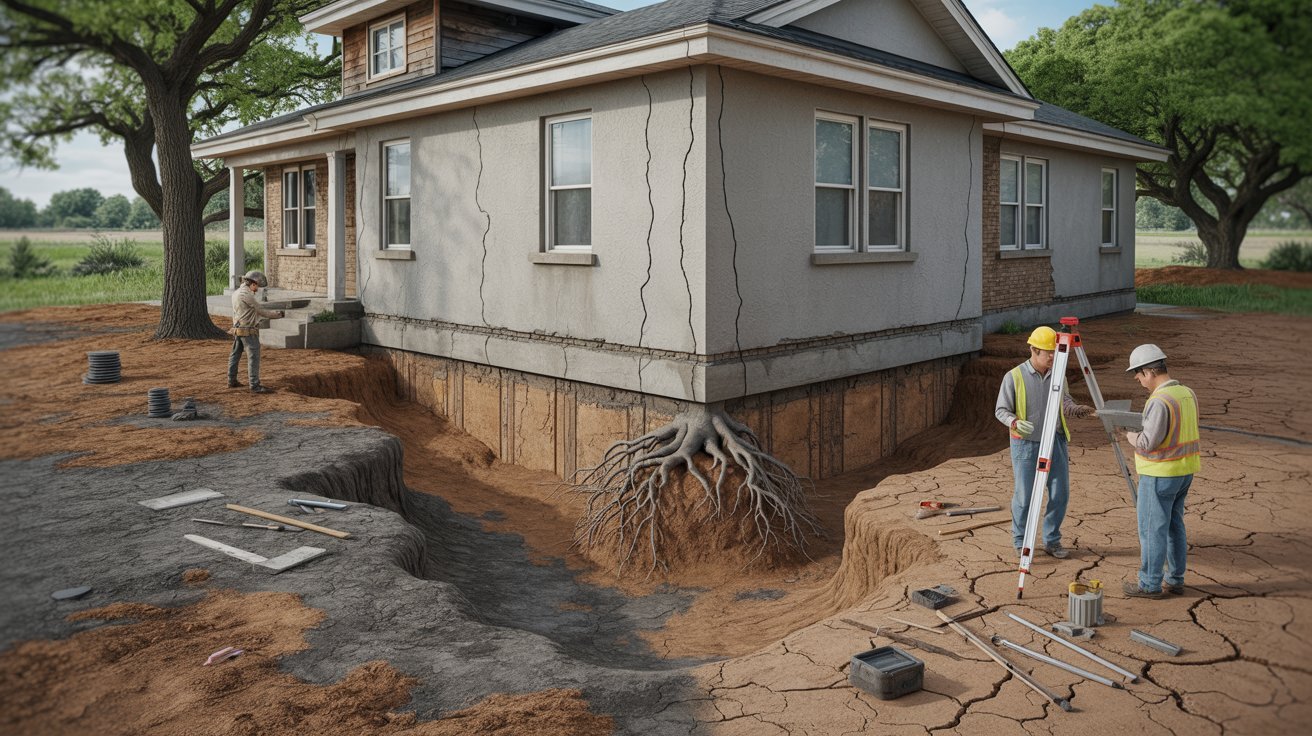
No two leveling jobs are the same. Here’s what pushes prices up or down.
Home Size and Layout
Larger homes need more piers, more labor, and more materials. A 3,000 sq. ft. home will almost always cost more to level than a 1,000 sq. ft. one.
Severity of Damage
Catching a problem early saves money. A small shift caught in year one might cost $2,000. The same problem left for five years could cost $20,000.
Type of Foundation and Repair Method
As covered above, slab, pier and beam, and block foundations each have their own repair costs. The method chosen also affects price.
Accessibility and Labor Complexity
If the foundation is hard to reach, labor costs go up. Tight crawl spaces, sloped lots, or homes close to property lines add complexity and time.
Tips to Prevent Costly House Leveling Repairs
Here are five simple tips to protect your foundation:
- Slope the ground away from your home so water drains away from the base instead of pooling near it.
- Clean your gutters at least twice a year to stop overflow from dumping water right next to your foundation.
- Point downspouts at least six feet away from the house to keep water moving in the right direction.
- Keep large trees at a safe distance since their roots pull moisture unevenly from the soil and can cause sinking.
- Use a soaker hose in dry climates to keep the soil around your foundation consistently moist and stable.
Conclusion
Honestly, I know how overwhelming it feels when you first realize your home might need leveling. The costs can seem scary, but the earlier you act, the less you’ll spend.
Most repairs fall in the $10,000 to $30,000 range, but minor issues caught early can cost far less. Don’t wait for doors to jam or cracks to spread.
Get a professional inspection and know what you’re working with. Leave a comment below if you have questions, or share this post with someone who might need it.
Frequently Asked Questions
How do I know if my house needs leveling?
Look for sloping floors, sticking doors or windows, and cracks in walls or ceilings. These are common signs that your foundation may have shifted and needs a professional look.
Can I level my house myself?
Some minor floor leveling can be a DIY job. But foundation leveling requires licensed professionals and proper equipment. Trying to fix it yourself can make the problem worse and more costly.
How long does house leveling take?
Most jobs take one to three days. Larger or more complex repairs can take a week or more, depending on the method used and the size of the home.
Does homeowners’ insurance cover house leveling?
Usually not. Most standard policies exclude foundation damage caused by settling or soil movement. Some policies cover damage from sudden events like flooding. Always check your policy details.
How often does a house need to be leveled?
It depends on your soil type and drainage. Homes on stable soil may never need it. Homes in areas with clay soil, like Texas, may need attention every ten to fifteen years.