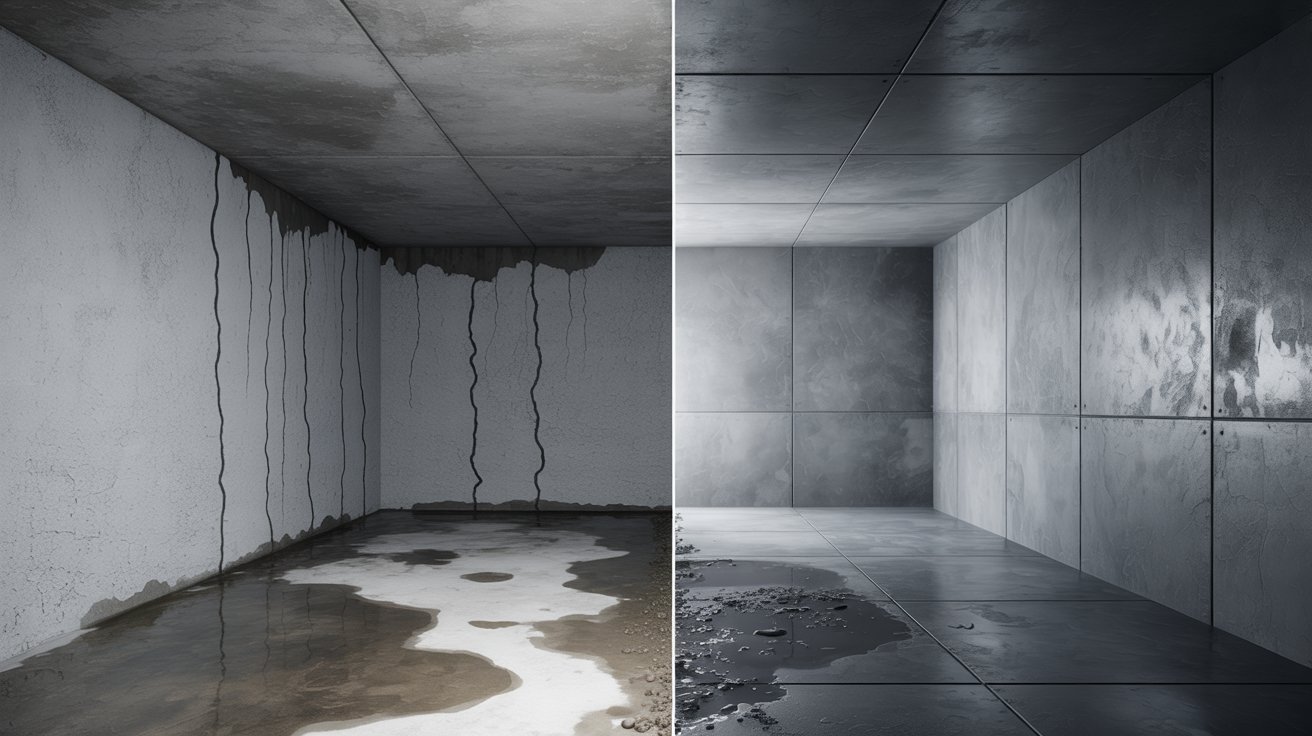
Dealing with the costto fix hydrostatic pressure in basement issues can feel overwhelming, especially when you don’t know where to start. I’ve been there too.
Water pushing against your basement walls is a serious problem, and ignoring it only makes repairs more expensive.
In this guide, I’ll break down average repair costs, solution types, and smart ways to save money.
You can hire a pro or go DIY – I’ll help you figure out the best move for your home and budget.
Hydrostatic Pressure in Basements
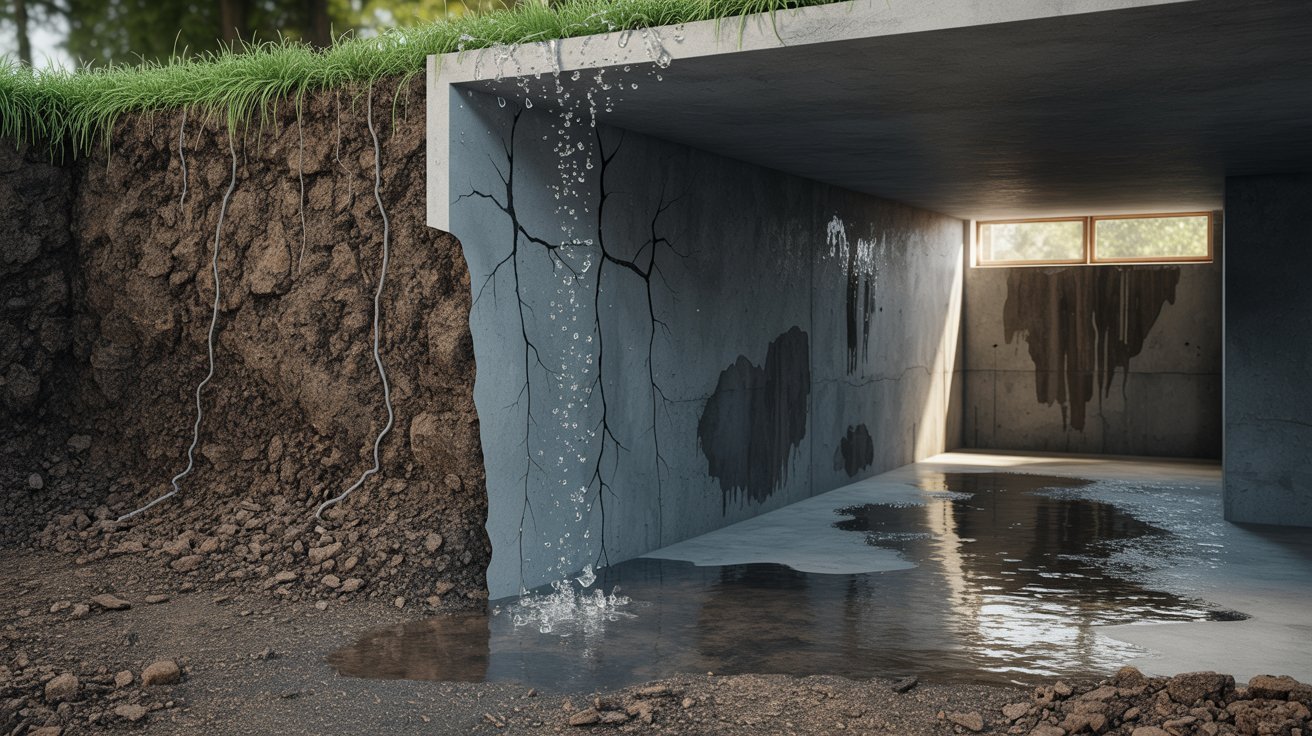
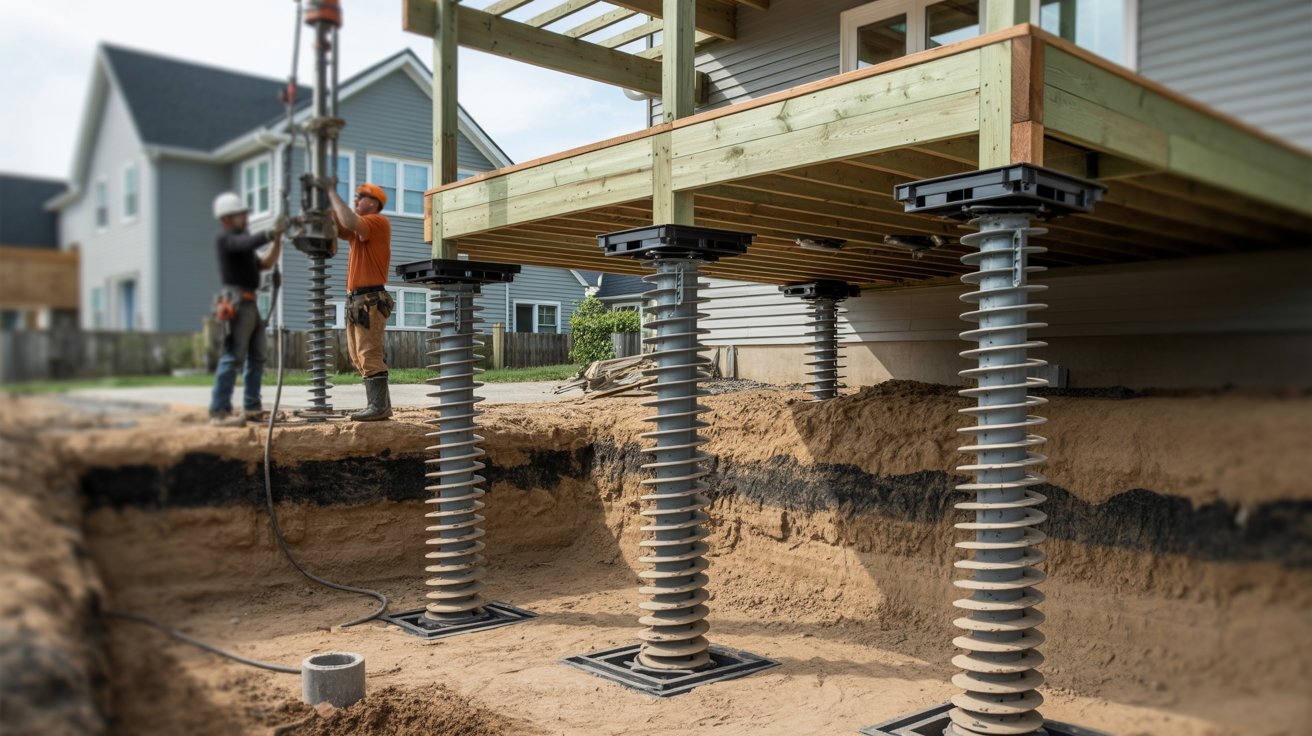
Hydrostatic pressure is the force water puts on your basement walls and floor. When the soil around your home gets saturated, that moisture pushes hard against your foundation.
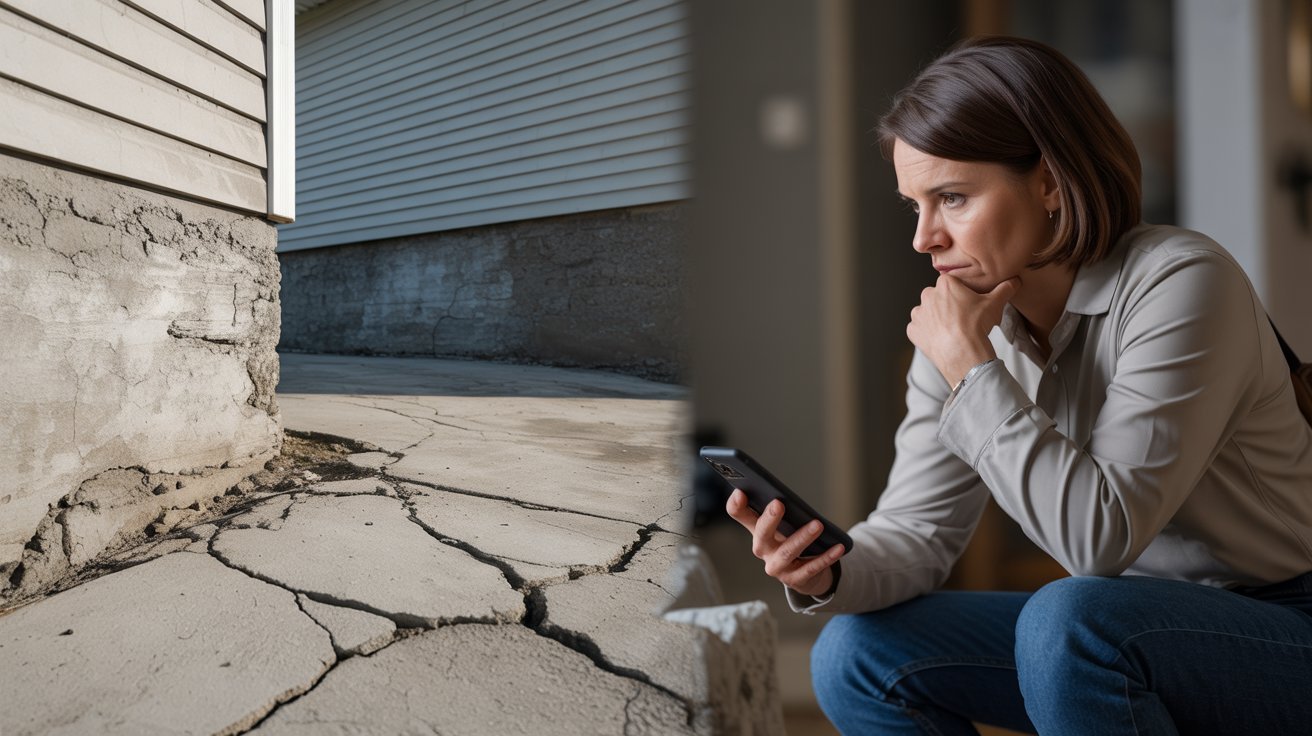
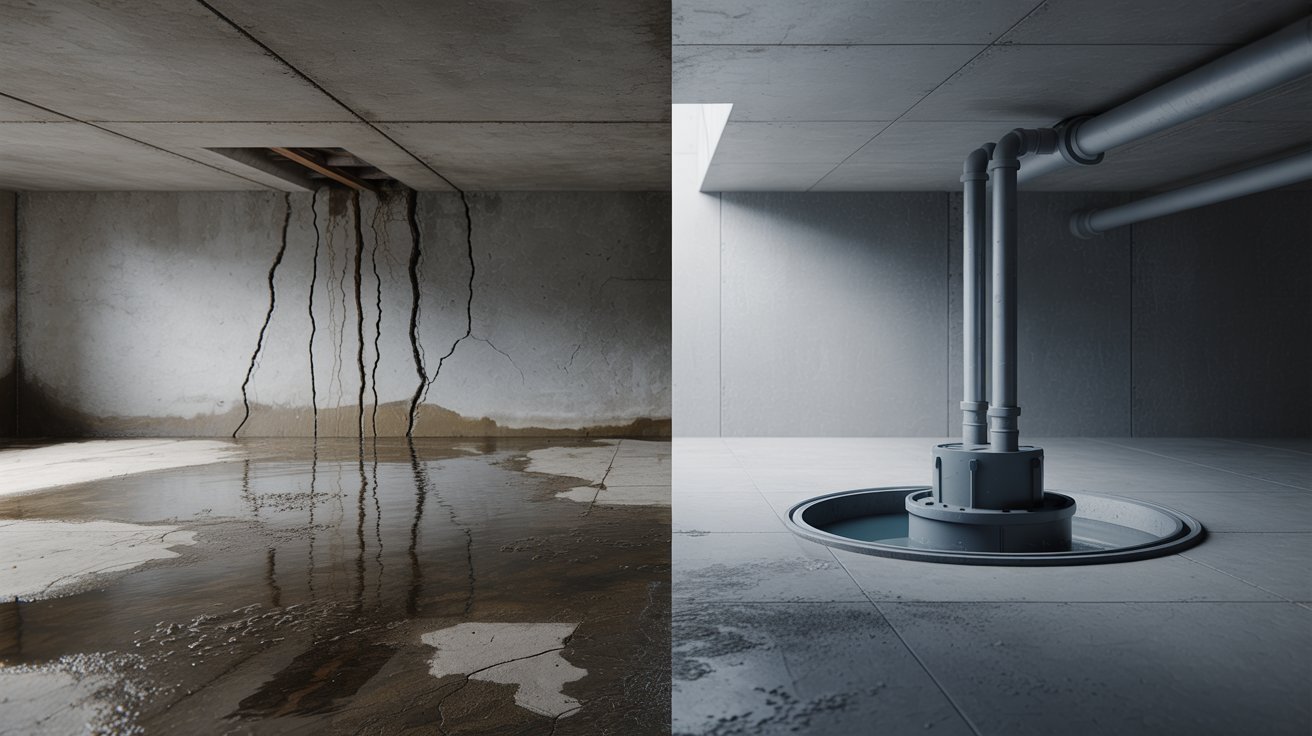
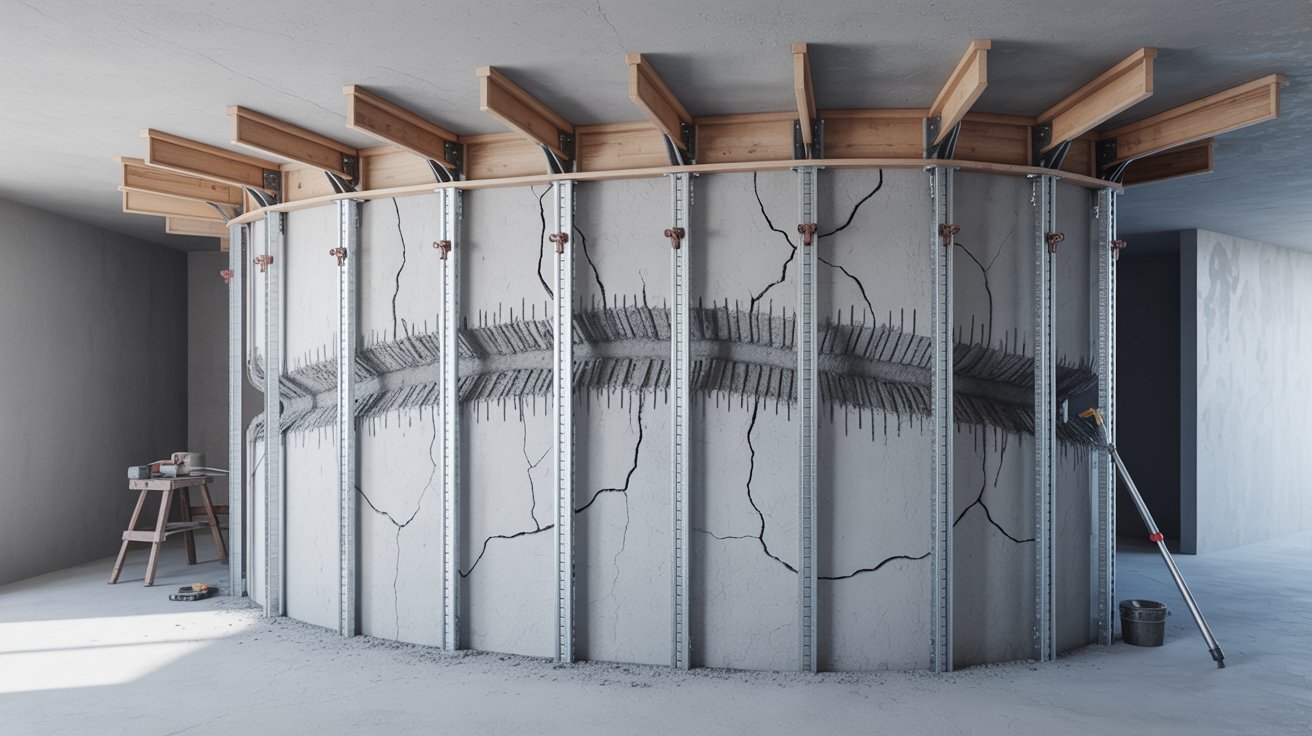
Over time, it causes cracks, leaks, and structural damage. Watch for signs like wall cracks, white chalky residue, wet spots after rain, bowing walls, or a musty smell. If you spot any of these, act fast.
Small cracks cost around $200 to seal. A full exterior waterproofing job can hit $10,000 or more. The longer you wait, the bigger the bill gets.
Understanding the Cost to Fix Hydrostatic Pressure in Basement
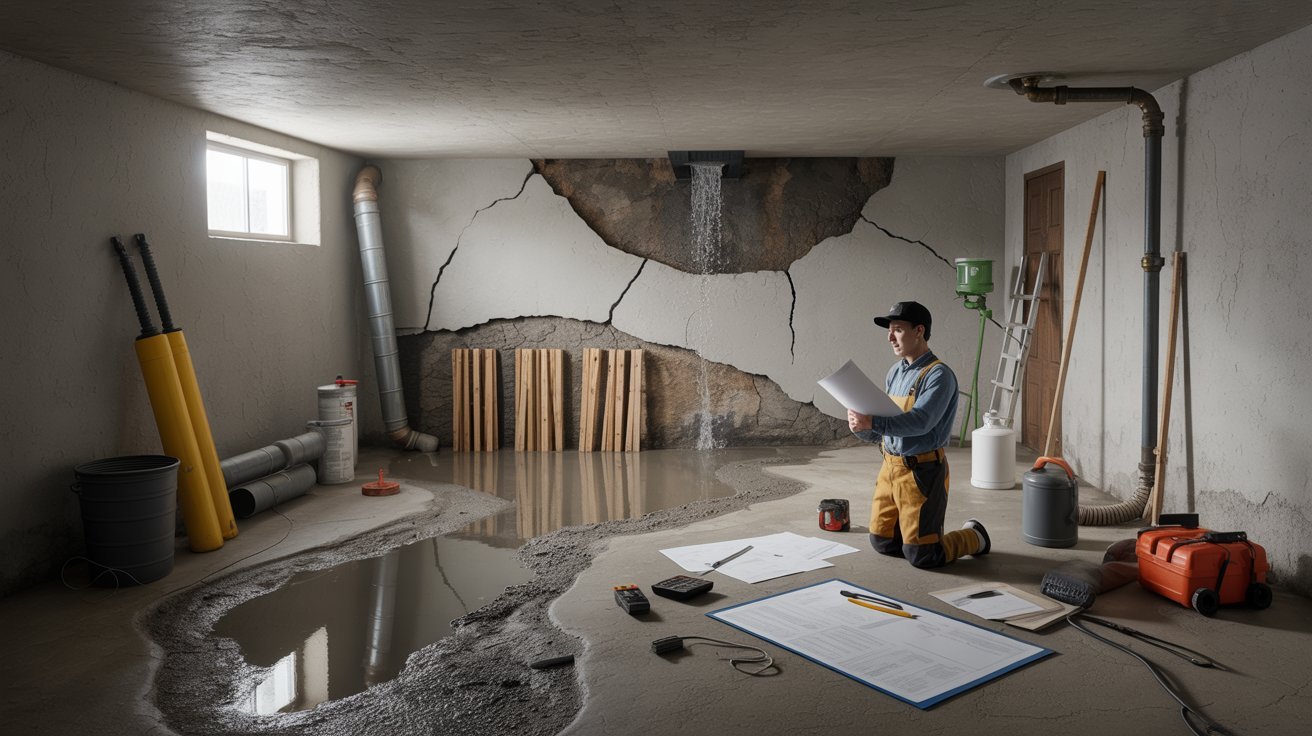
A clear look at what repairs actually cost, from minor fixes to full-scale waterproofing projects.
Average Cost Range for Basement Repairs
Most homeowners spend between $2,000 and $10,000 to address hydrostatic pressure issues. The range is wide because it depends on how bad the damage is and what solution you need.
Here’s a general breakdown:
- Minor sealing and patching: $200-$800
- Interior waterproofing system: $3,000-$8,000
- Exterior waterproofing: $5,000-$15,000
- Full drainage system with sump pump: $2,500-$6,000
Cost Based on Severity of Damage
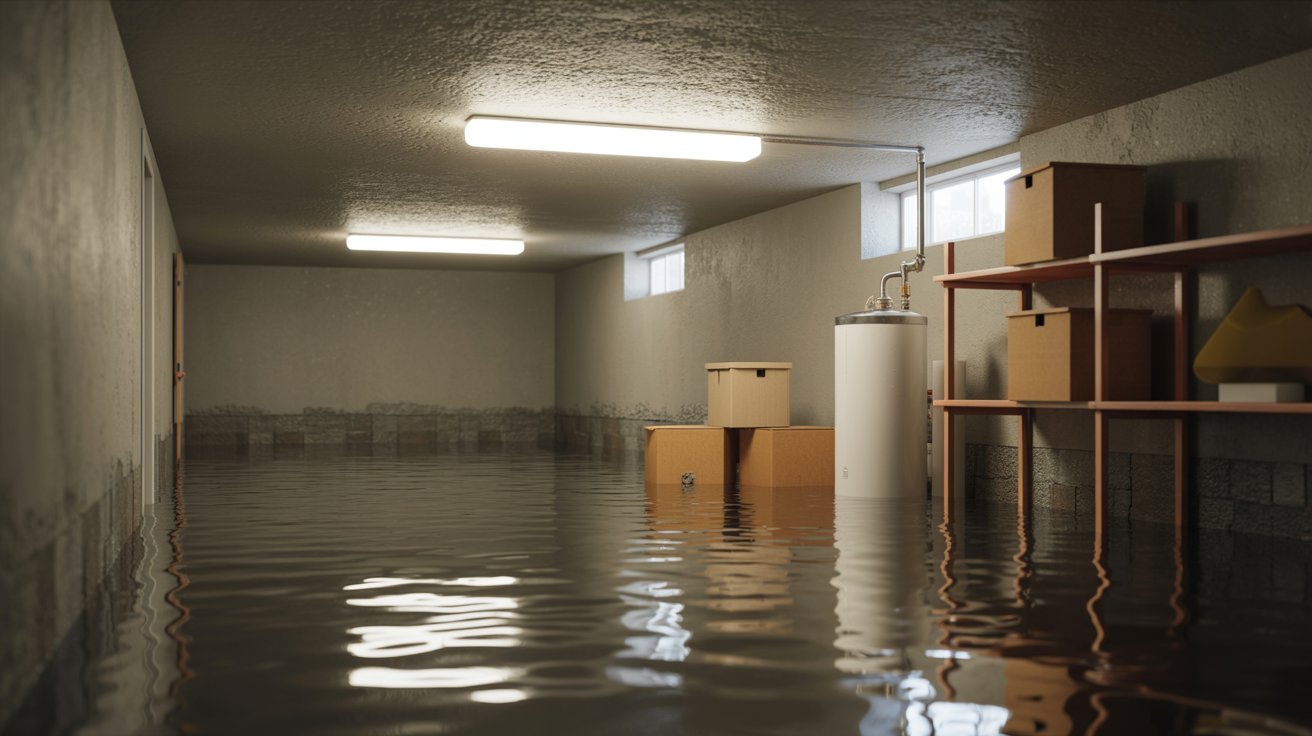
Mild damage with a few small cracks is inexpensive to fix. Moderate damage with water intrusion needs a proper drainage system. Severe damage with bowing walls or flooding may need both exterior work and structural repairs.
Severity directly drives cost. A professional inspection will tell you where you stand.
Minor Fixes vs Major Waterproofing Costs
A tube of hydraulic cement costs around $15. Applying a waterproof sealant coat runs $100-$300 for DIY. But if water is actively coming in through multiple points, those are band-aid solutions.
Major waterproofing is a bigger investment, but it actually solves the problem long-term.
Basement Waterproofing Cost by Solution Type
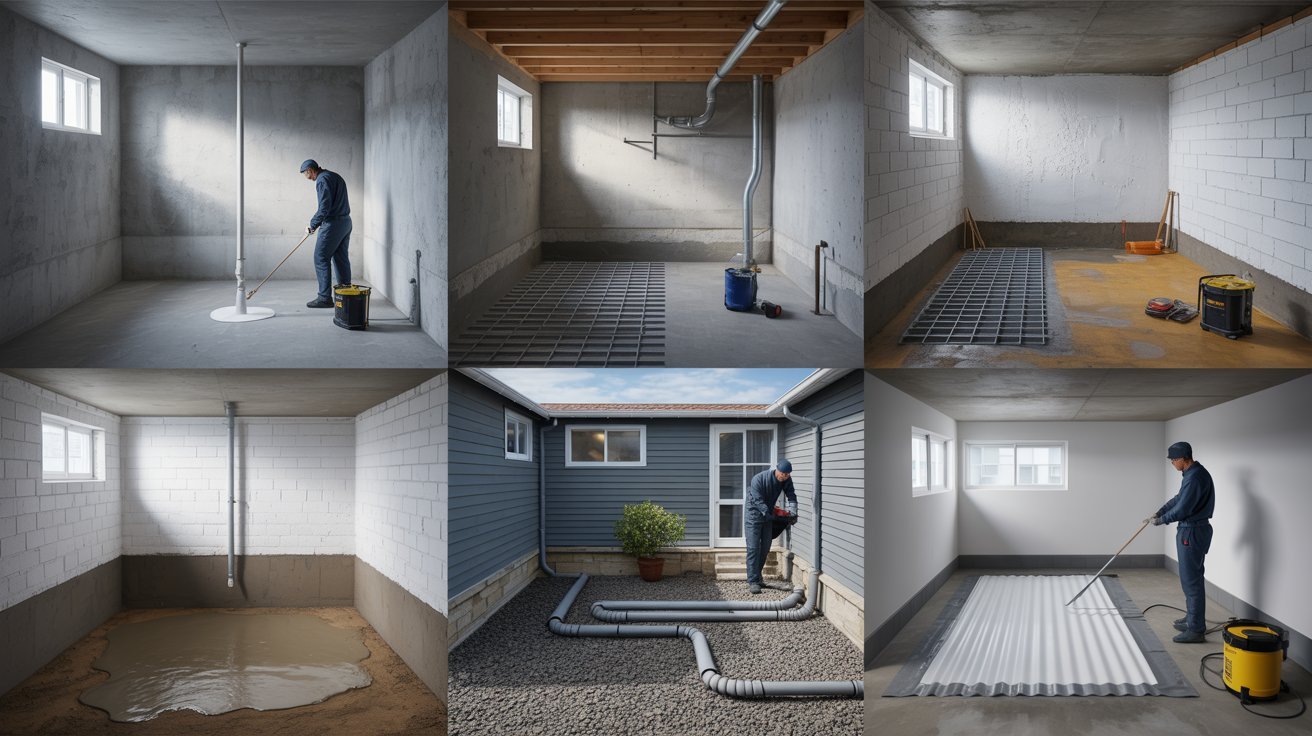
| Solution Type | What It Does | Estimated Cost |
| Interior Waterproofing | Installs drainage channels inside the basement perimeter and directs water to a sump pump | $3,000-$8,000 |
| Exterior Waterproofing | Excavates around the foundation and applies a waterproof membrane to outer walls | $5,000-$15,000 |
| French Drain System | Redirects groundwater away from the foundation using a buried drainage pipe | $1,500-$5,000 |
| Sump Pump Installation | Collects and pumps out water that enters the basement | $500-$2,000 |
| Masonry Sealants | Blocks minor surface moisture on basement walls | $15-$100 per gallon |
| Crystalline Waterproofing Coating | Penetrates concrete to seal against moisture at a deeper level | $100-$200 per gallon |
Interior vs Exterior Waterproofing: Cost and Effectiveness
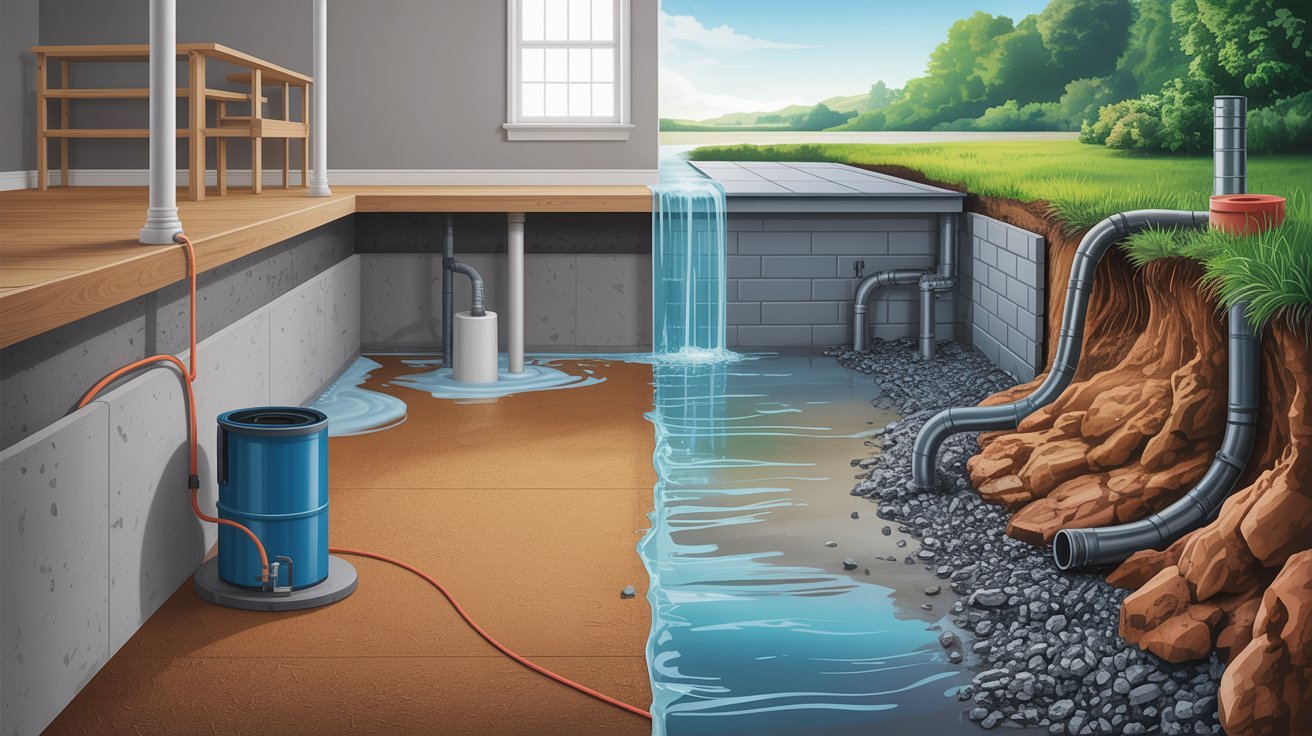
Both options work, but they serve different situations. Knowing the difference helps you spend wisely.
Cost Comparison Between Methods
| Method | Cost Range | Best For |
| Interior | $3,000-$8,000 | Managing water entry |
| Exterior | $5,000-$15,000 | Preventing water entry |
Interior systems cost less upfront, while exterior solutions last longer
Which Solution Lasts Longer
Exterior waterproofing, done right, can last 20-30 years. Interior systems are effective but may need maintenance every 10-15 years. Sealants alone may need reapplication every few years.
Choosing Based on Budget and Problem Severity
Tight budget + minor seepage = start with interior sealing and a sump pump.
Moderate budget + regular flooding = interior drainage system.
Bigger budget + serious structural concern = go exterior.
Don’t overspend on a minor problem. Don’t underspend on a serious one.
Key Factors That Affect Repair Costs
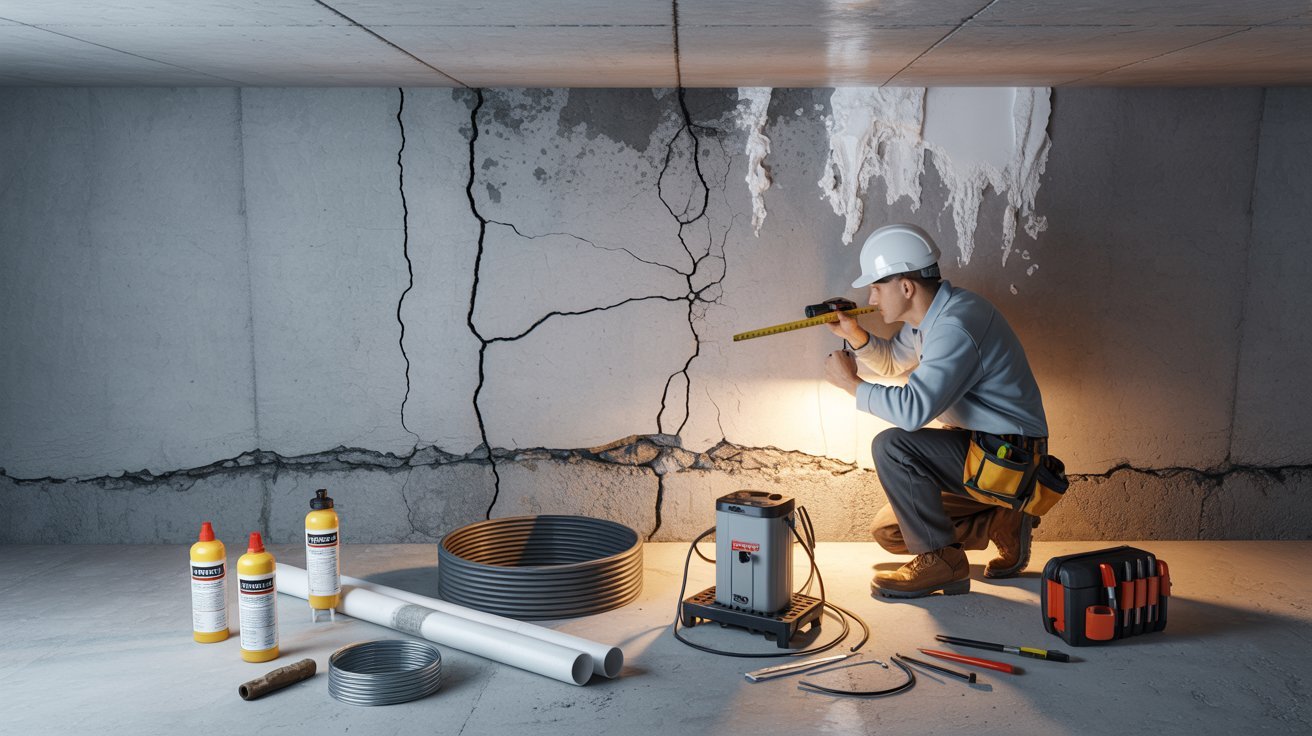
Your final bill depends on more than just what’s broken. Here’s what drives the price up or down.
Basement Size and Layout
Larger basements need more material and labor. Finished basements with drywall and flooring cost more to repair because that stuff needs to be removed first.
Soil Type and Drainage Conditions
Clay soil holds water longer and creates more pressure. Sandy soil drains faster. If your home sits in clay-heavy ground, expect higher costs.
Groundwater Levels and Climate
Homes in wet climates or areas with high water tables face more pressure year-round. This often means more robust (and more expensive) solutions are needed.
Labor and Location Impact
Labor costs vary a lot by region. In high cost-of-living areas, you might pay 30-50% more for the same job. Always get at least three quotes before committing to a contractor.
DIY vs Professional Basement Waterproofing Costs
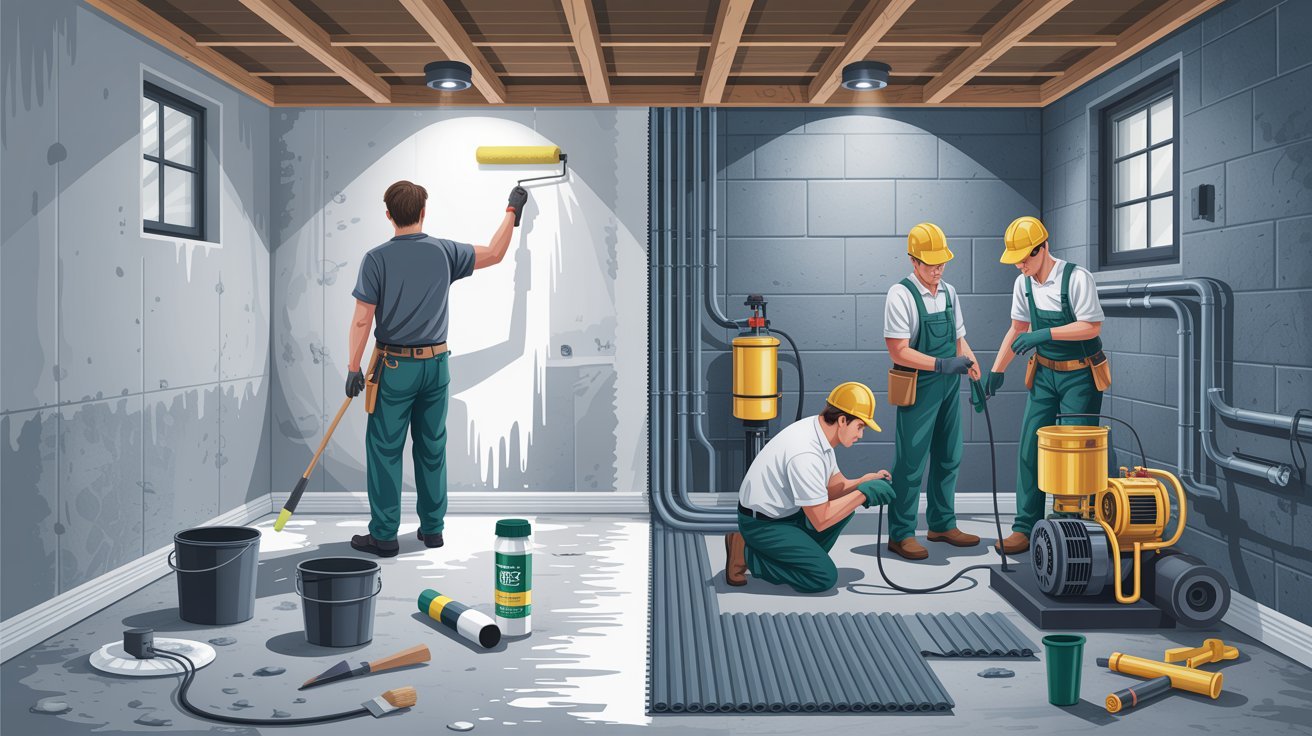
Sometimes you can handle it yourself. Other times, calling a pro is the smarter call.
DIY Repair Options and Costs
- Hydraulic cement: $15-$30 – fills active leaks
- Waterproof paint/sealant: $50-$200 – surface-level moisture control
- DIY French drain kit: $200-$500 – basic drainage improvement
These are solid options for small problems.
When DIY Works and When It Doesn’t
DIY works for:
- Hairline cracks with no active leaks
- Surface moisture on walls
- Improving grading or gutter drainage
DIY does not work for:
- Active flooding
- Structural cracks in walls
- Bowing or shifting foundation walls
Benefits of Hiring Professionals
Pros bring proper tools, experience, and warranties. Most professional waterproofing companies offer 10-25-year warranties.
That peace of mind has real value. A bad DIY fix can make the problem worse and cost more in the long run.
Tips to Reduce the Cost of Fixing Hydrostatic Pressure
- Clean your gutters regularly and make sure downspouts push water at least 6 feet away from your foundation.
- Grade your yard so it slopes away from the house and stops water from pooling near the walls.
- Seal any cracks as soon as you spot them. A $20-$50 fix now beats a $10,000 repair later.
- Schedule a professional inspection every year or two. It costs $200-$500 and catches problems early.
- Add window well covers and check your sump pump works before the rainy season hits.
Conclusion
Fixing the hydrostatic pressure in your basement the right way is always worth it. Minor seepage runs $200-$800 with sealants. Moderate leaks need an interior drainage system at $3,000-$8,000.
Severe flooding calls for exterior waterproofing at $5,000-$15,000. A dry basement protects your home’s value, stops mold, and gives you clean, usable space.
I always say, fix it once and fix it right. If this guide helped you, drop a comment below or share it with someone dealing with a wet basement right now.
Frequently Asked Questions
How much does it cost to fix hydrostatic pressure in a basement on average?
Most repairs range from $2,000 to $10,000. The final cost depends on damage severity, the solution type, and your location.
Can I fix the hydrostatic pressure in my basement myself?
Yes, for minor cracks and surface moisture. But active leaks, bowing walls, or flooding need a professional waterproofing contractor.
How long does basement waterproofing last?
Interior systems last 10-15 years with upkeep. Exterior waterproofing can last 20-30 years when installed properly by a professional.
Does homeowners’ insurance cover hydrostatic pressure damage?
Usually not. Most standard policies exclude gradual water damage. Check your policy and consider adding a water backup rider for extra coverage.
What’s the cheapest way to reduce hydrostatic pressure?
Start with gutters, downspout extensions, and better landscape grading. These low-cost steps reduce water buildup near your foundation significantly.