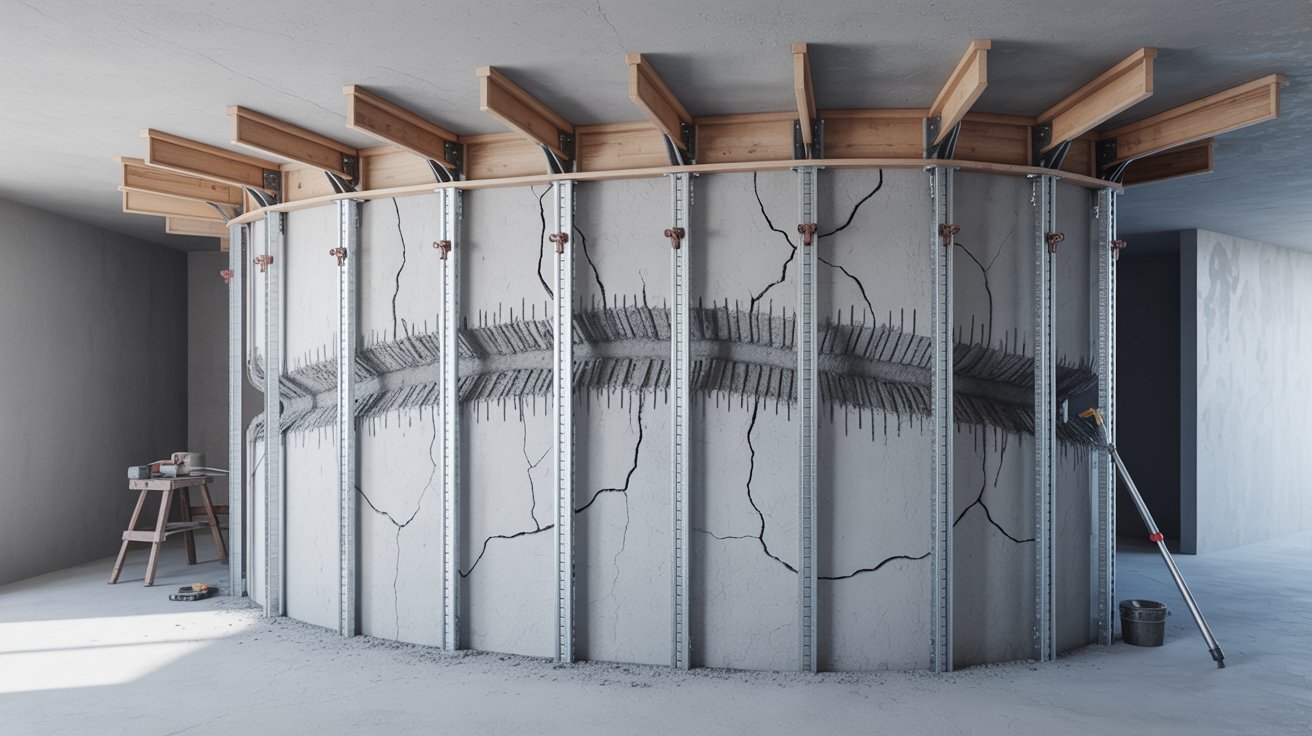
A bowing basement wall is not something to ignore. I’ve seen homeowners put it off for months, and every time, the repair bill gets bigger.
In this guide, I’ll walk you through the full bowing basement wall repair cost – from minor fixes to severe damage. You’ll get real numbers, a breakdown by repair method, and tips to keep costs down.
I’ll also cover what causes the damage and how to spot it early. With years of home repair research behind me, I know what actually matters here. Let’s get into it.
Understanding Bowing Basement Wall Repair Cost
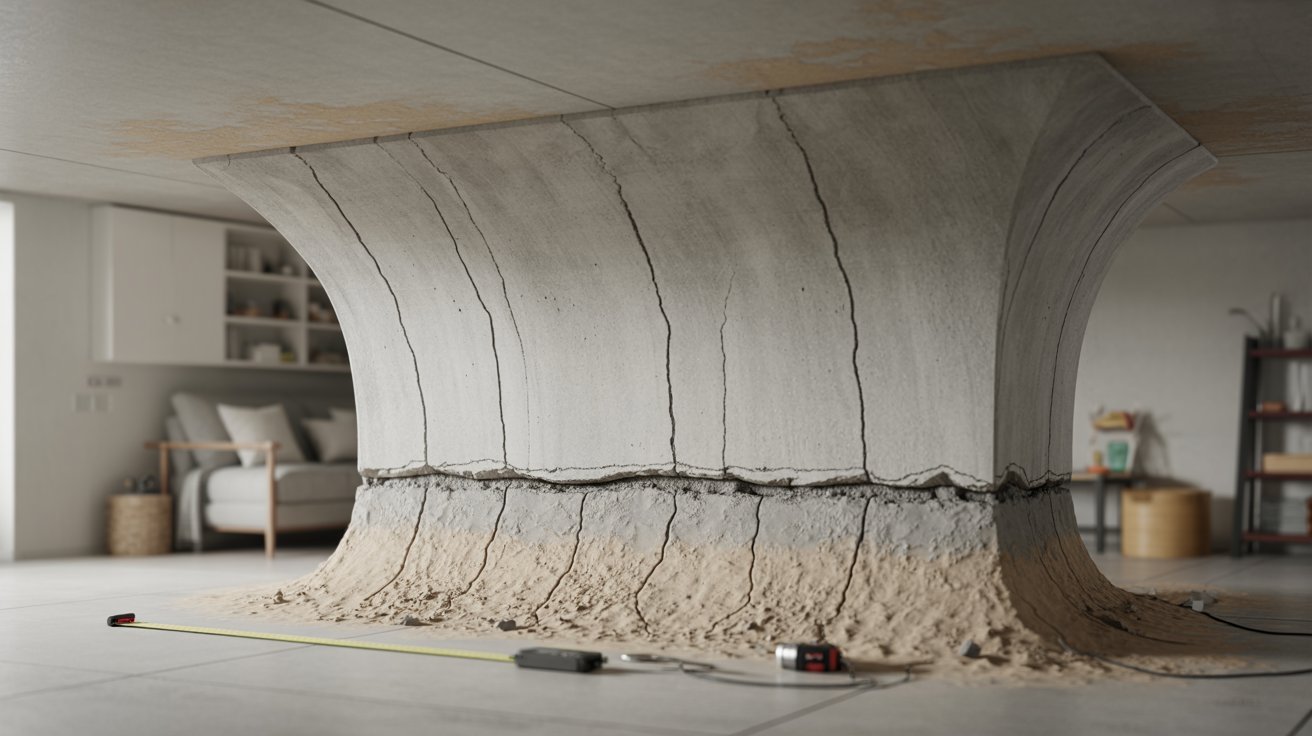
Here’s what the numbers actually look like before you call a single contractor.
Bowing basement walls don’t come with a flat rate. Most repairs run between on how bad the damage is, what method is used, and where you live.
Most repairs run between $50 and $400 per linear foot. Wall anchors sit on the lower end while I-beams and full reconstruction sit at the top. For a full job, expect anywhere from $500 to $15,000.
That’s a wide range, but most homeowners end up spending around $4,000 to $8,000 for mid-range repairs involving carbon fiber straps or wall anchors.
Bowing Basement Wall Repair Cost by Repair Method
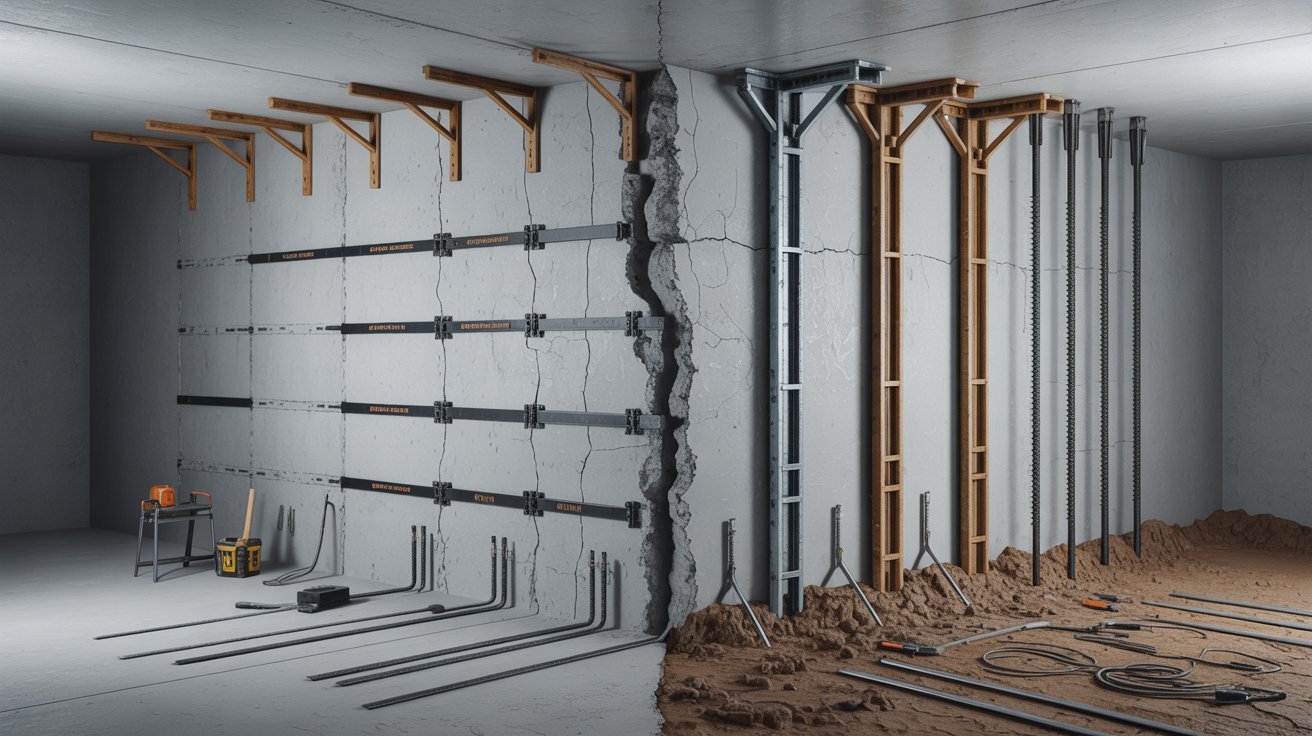
Your repair method choice shapes the entire cost. Here’s what each one runs.
|
Repair Method |
Cost |
|
Wall Anchors |
$1,500 – $5,000 |
|
Carbon Fiber or Steel Straps |
$400 – $1,200 per strap |
|
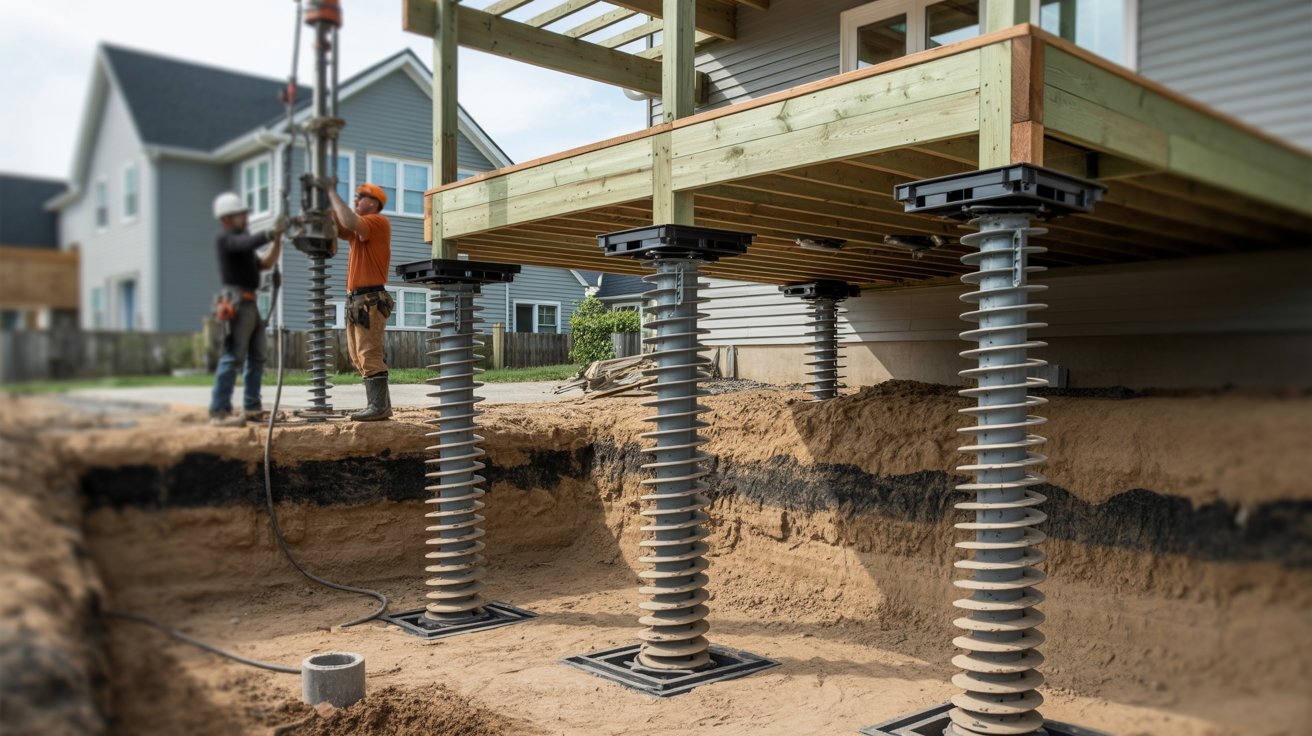
I-Beams and Helical Tiebacks |
$3,000 – $10,000 |
|
Wall Straightening and Full Repairs |
$10,000 – $15,000+ |
What Factors Affect Bowing Basement Wall Repair Cost?
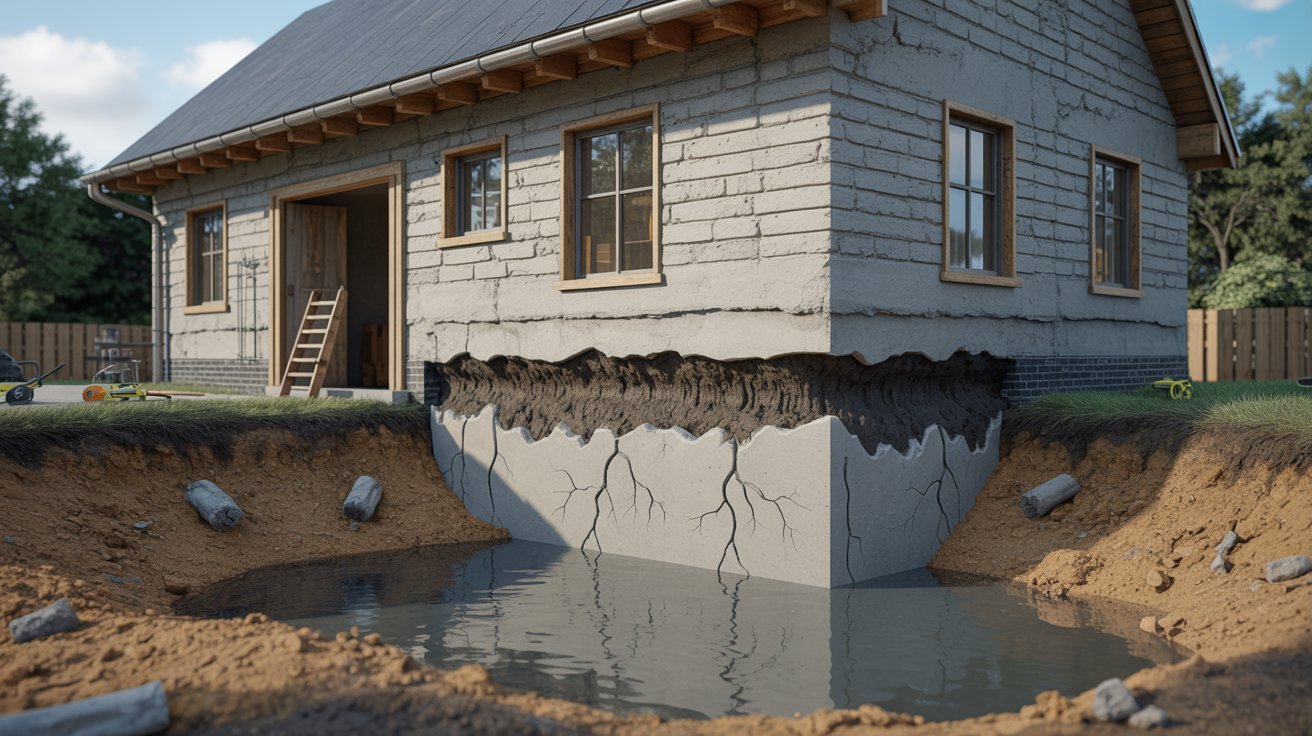
These are the variables that push your final quote up or down.
Severity of Wall Bowing
A wall that bows two inches is very different from one that bows six inches. The worse the bowing, the more labor and materials are needed. Early-stage bowing can sometimes be handled with straps alone. Severe bowing may require full stabilization and straightening.
Wall Length and Size
Longer walls need more materials. More anchors, more straps, more beams. A 20-foot wall will cost more to fix than a 10-foot wall using the same method.
Soil Pressure and Drainage Conditions
Clay soil expands when wet and puts a lot of pressure on walls. If your soil holds moisture, the repair becomes more involved. Poor drainage is often a root cause that needs to be addressed alongside the structural fix.
Accessibility and Excavation Needs
Some repairs require digging around the outside of the wall. Excavation alone can add $1,000 to $5,000 to your bill. Tight spaces, landscaping, and driveways near the wall can raise that even further.
Bowing Basement Wall Repair Cost by Damage Level
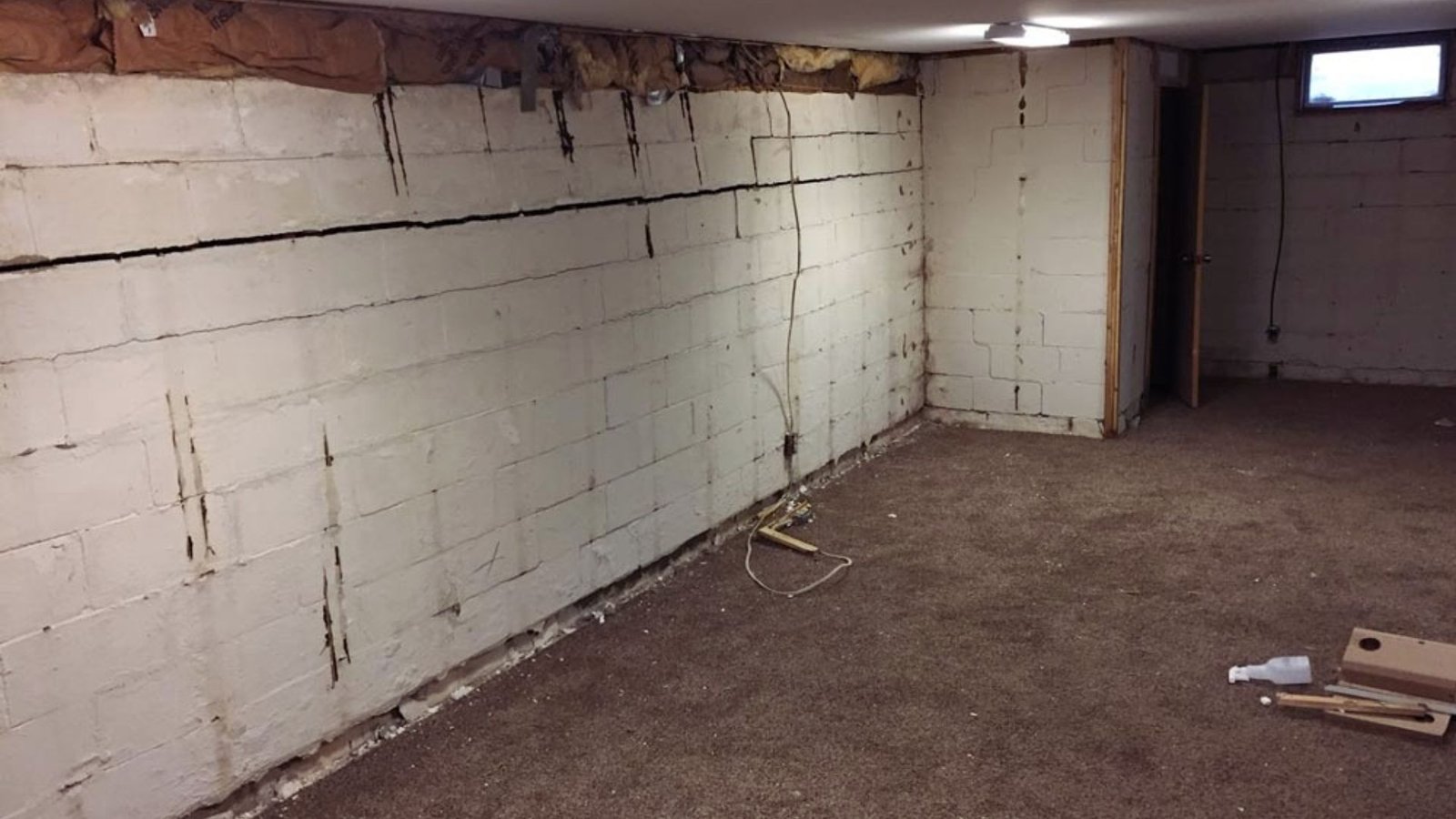
Match your wall’s condition to the right cost bracket.
Minor Bowing (Low-Cost Fixes)
Walls with less than two inches of inward movement are considered minor. Carbon fiber straps are usually enough here. Total cost: $500 to $3,500. Catching it at this stage saves a lot of money.
Moderate Bowing (Mid-Range Repairs)
Two to four inches of bowing needs stronger intervention. Wall anchors or I-beams work well at this stage. Total cost: $3,500 to $7,500. Most homeowners fall into this range.
Severe Bowing (High Cost Solutions)
More than four inches of movement is serious. The wall may need full stabilization, possible straightening, and in some cases, replacement.
Total cost: $7,500 to $15,000+. At this stage, waiting any longer can lead to wall failure.
What Causes Bowing Basement Walls and Increases Costs?
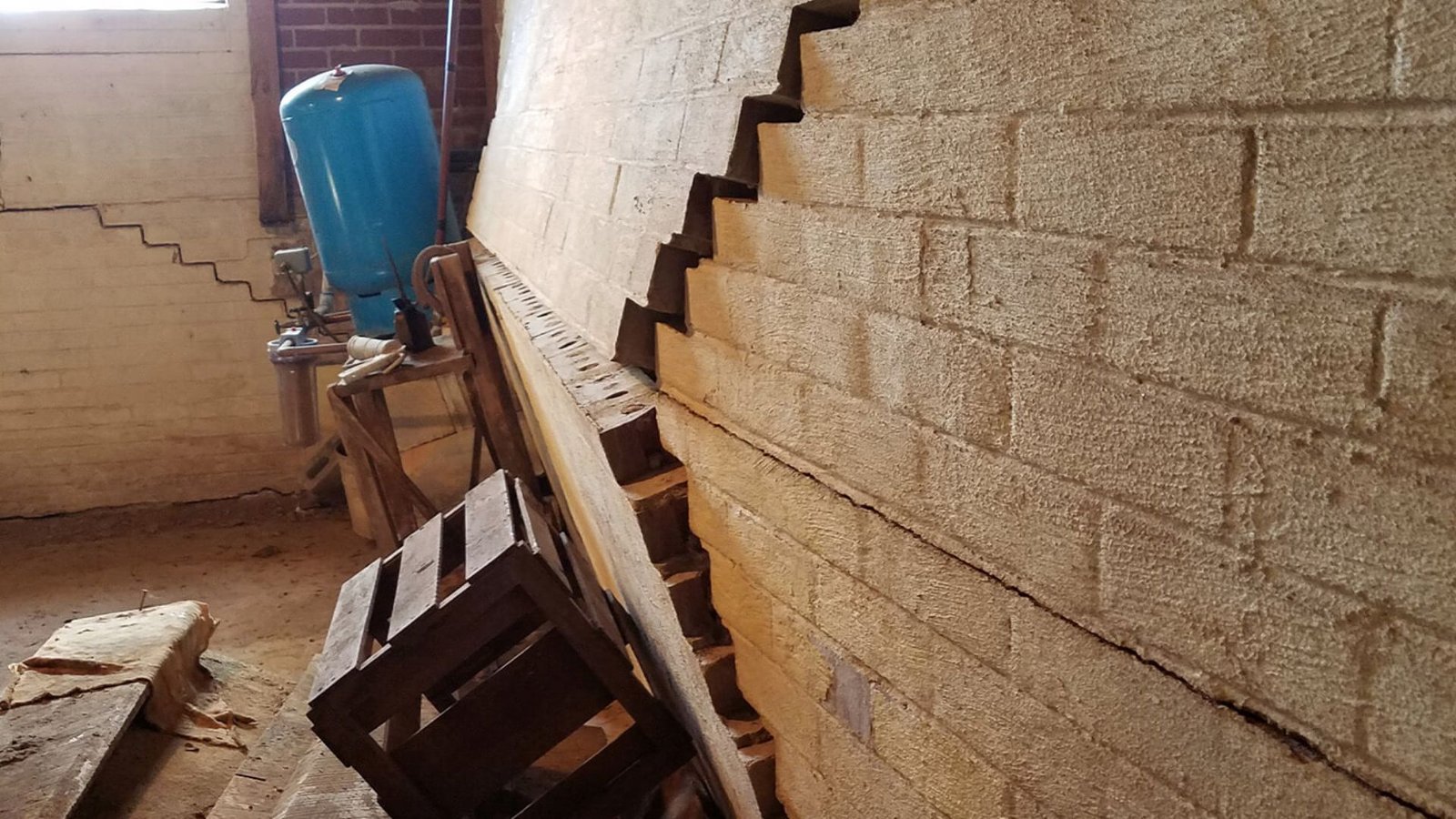
Knowing the cause helps you stop the damage before it gets worse.
Hydrostatic Pressure and Water Issues
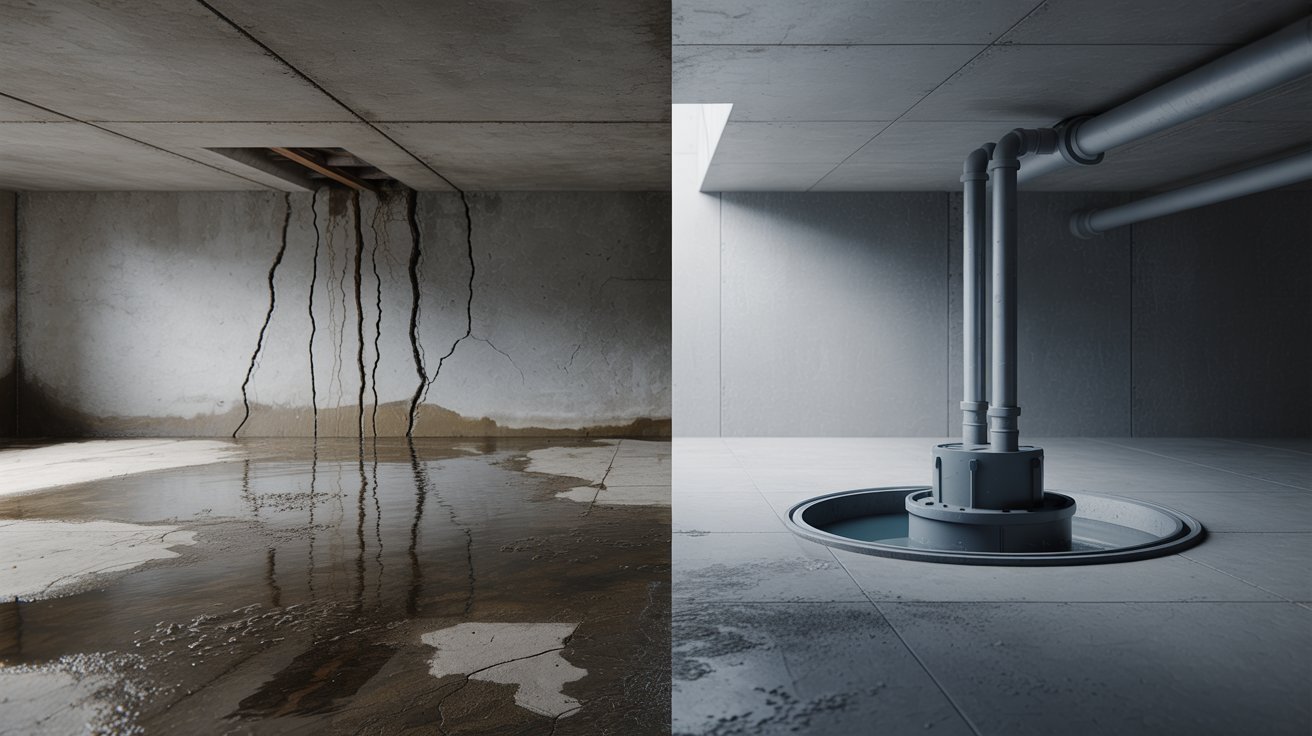
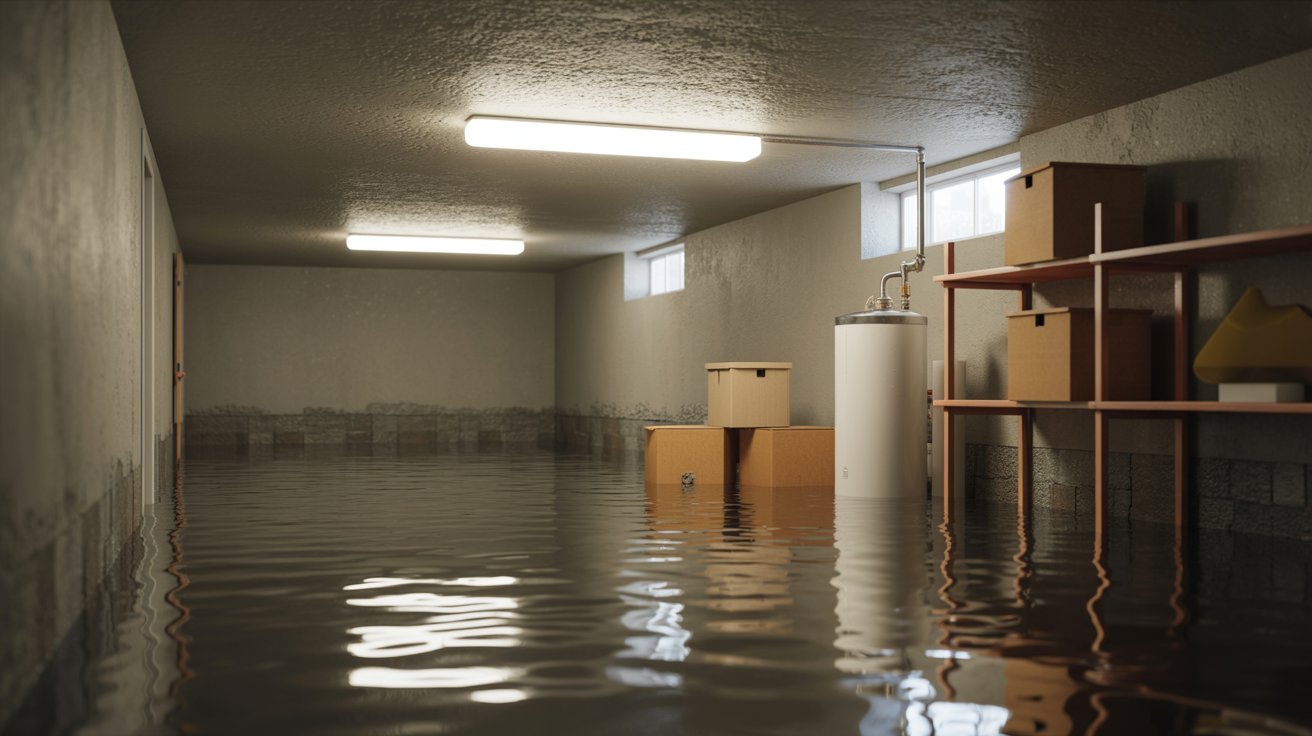
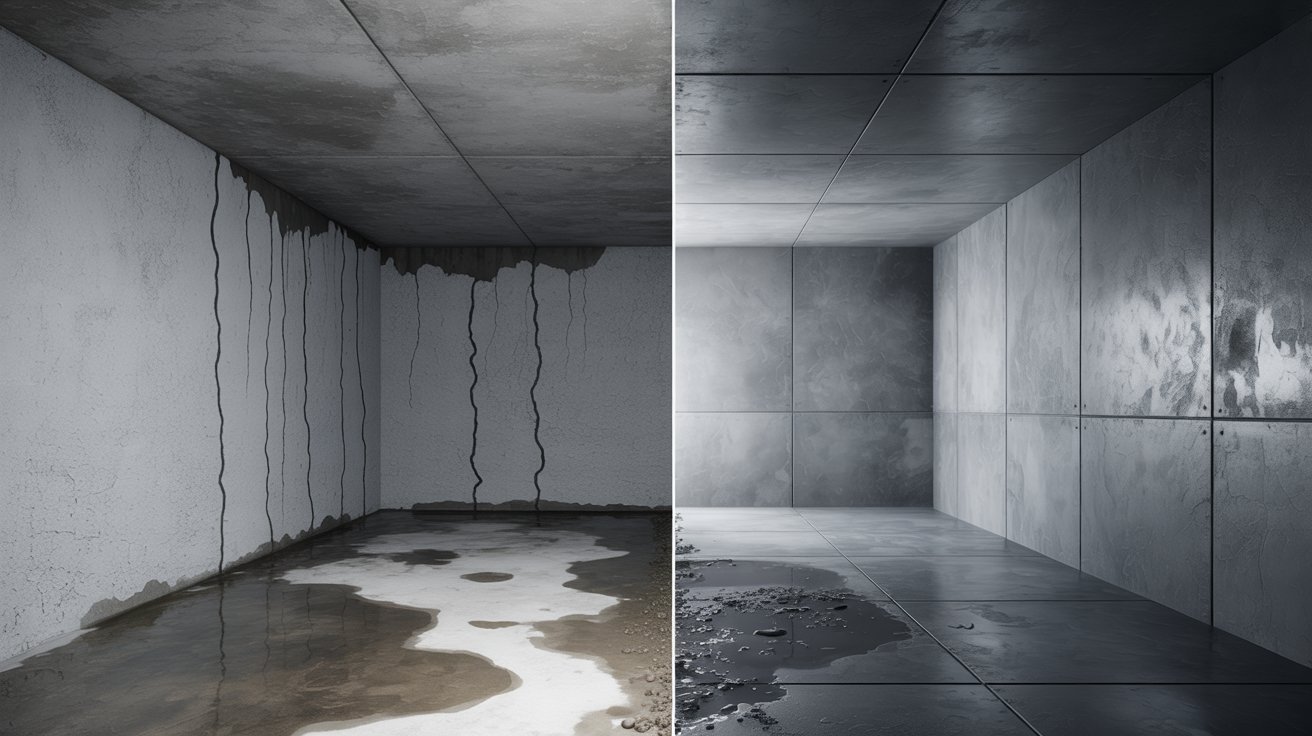
Water-saturated soil pushes against your basement walls with enormous force. Over time, this pressure causes walls to crack and bow inward. Fixing drainage before or during repair is often necessary and adds to the cost.
Expansive Clay Soil
Clay soil is a common culprit. It swells when wet and contracts when dry. This repeated movement stresses your basement walls over time and can speed up bowing.
Poor Drainage and Gutter Problems
Gutters that dump water near your foundation, flat grading, and clogged drains all increase soil moisture. That moisture translates into pressure on your walls. Fixing drainage is a cost you may need to factor in alongside wall repair.
Tree Roots and Soil Movement
Tree roots growing near your foundation can shift soil and create uneven pressure on basement walls. Removing problem roots or trees adds to the overall repair cost but can prevent future damage.
Tips to Reduce the Cost of Basement Wall Repair
Small steps now can save you thousands later.
- Fix the Problem Early – The sooner you act, the less you pay.
- Improve Drainage Around Your Home – Redirect downspouts and clean gutters to keep water away from your walls.
- Choose the Right Repair Method – Match the fix to the damage level. Don’t overspend on a minor problem.
- Get Multiple Quotes – Compare at least three contractors before committing to anyone.
- Handle Finishing Work Yourself – Save money by doing cleanup, painting, or drywall after the structural work is done.
Conclusion
I know dealing with a bowing basement wall is stressful. But the good news is, it’s fixable and it doesn’t always have to break the bank.
The key is not waiting. I’ve seen minor bowing go from a $2,000 fix to a $12,000 nightmare in just two years. Bowing basement wall repair cost depends on timing, method and severity. Now you know what to expect.
Get a few quotes, act early, and protect your home. Got questions? Drop them in the comments below.
Frequently Asked Questions
How much does bowing basement wall repair cost?
It typically ranges from $500 to $15,000 depending on damage severity and repair method. Most homeowners spend between $4,000 and $8,000 for a mid-range repair.
What is the cheapest way to fix a bowing wall?
Carbon fiber straps are among the most affordable options, starting around $400 per strap. Wall anchors are also cost-effective for moderate bowing caught early.
How much bowing is too much?
Two inches of inward movement is generally the threshold where active repair becomes necessary. Anything over four inches is considered severe and needs immediate attention.
Can bowed walls be permanently fixed?
Yes, in most cases. Methods like wall anchors, I-beams, and helical tiebacks offer long-term stabilization. Some solutions can even slowly straighten the wall back over time.
Will insurance cover basement wall repair?
Most standard homeowner insurance policies don’t cover bowing walls since it’s considered a structural or maintenance issue. However, if water damage caused it, your policy may cover some costs – always check with your provider.