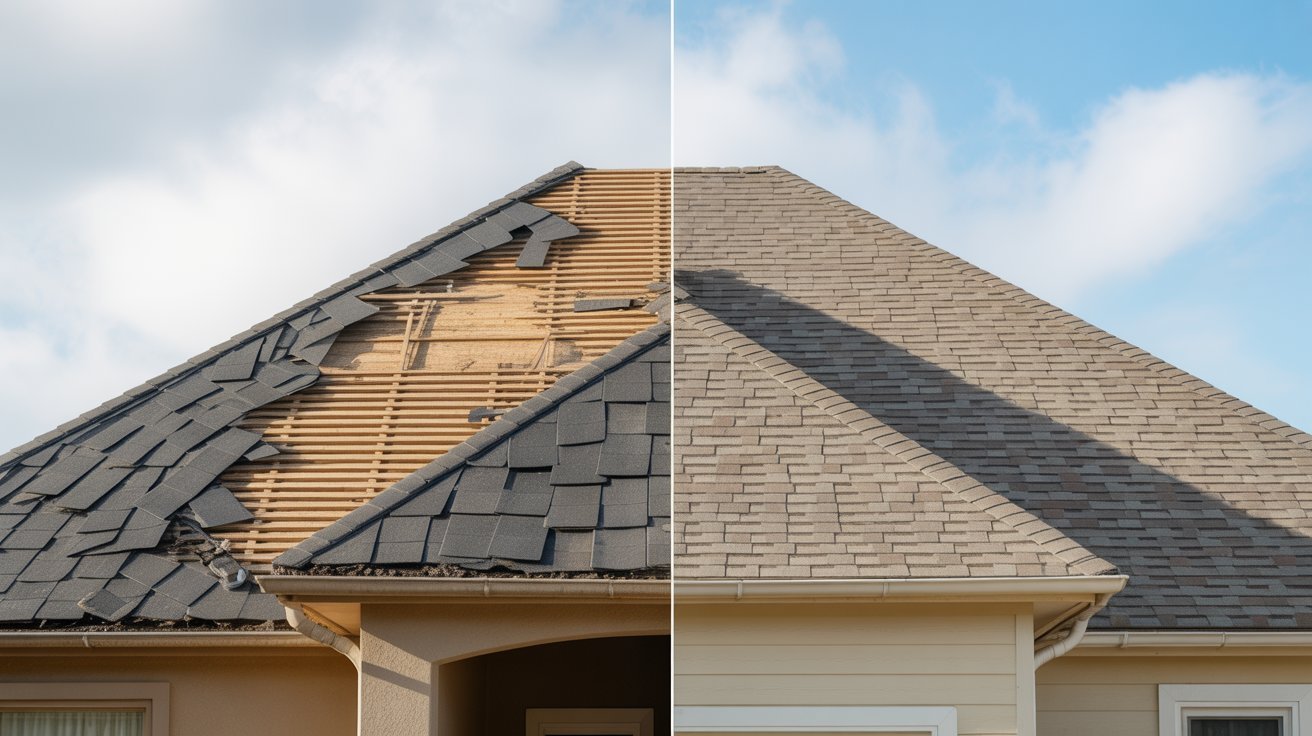
Your roof is showing signs of wear, and now you’re stuck wondering whether to fix it or replace it entirely. This guide gives you clear answers.
I’ll cover the key differences, real cost breakdowns, and warning signs you should never ignore. By the end, you’ll know exactly what to do.
I’ve worked with many homeowners on this decision, and I understand how stressful it can feel. No matter your budget or situation, this guide will help you make the right call with confidence and clarity.
Roof Repair vs Replacement: What’s the Difference?
Understanding the difference is the first step toward making a smart decision.
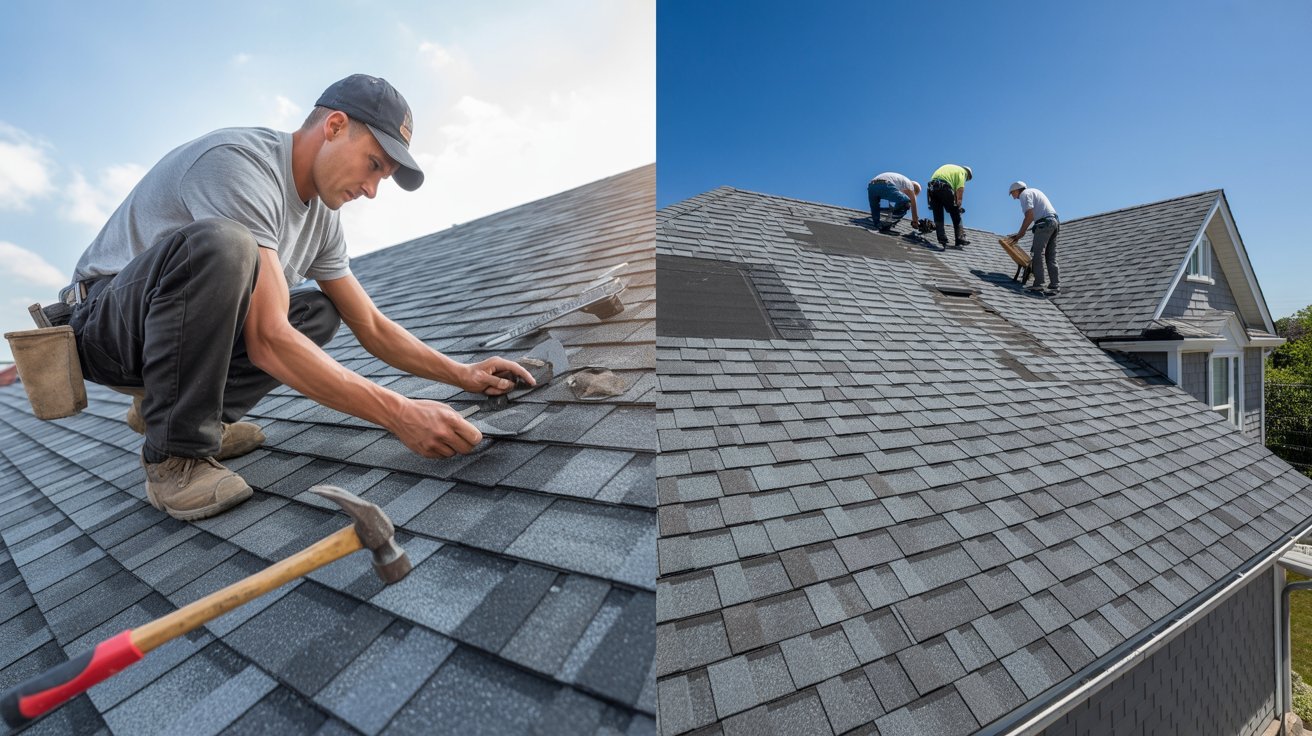
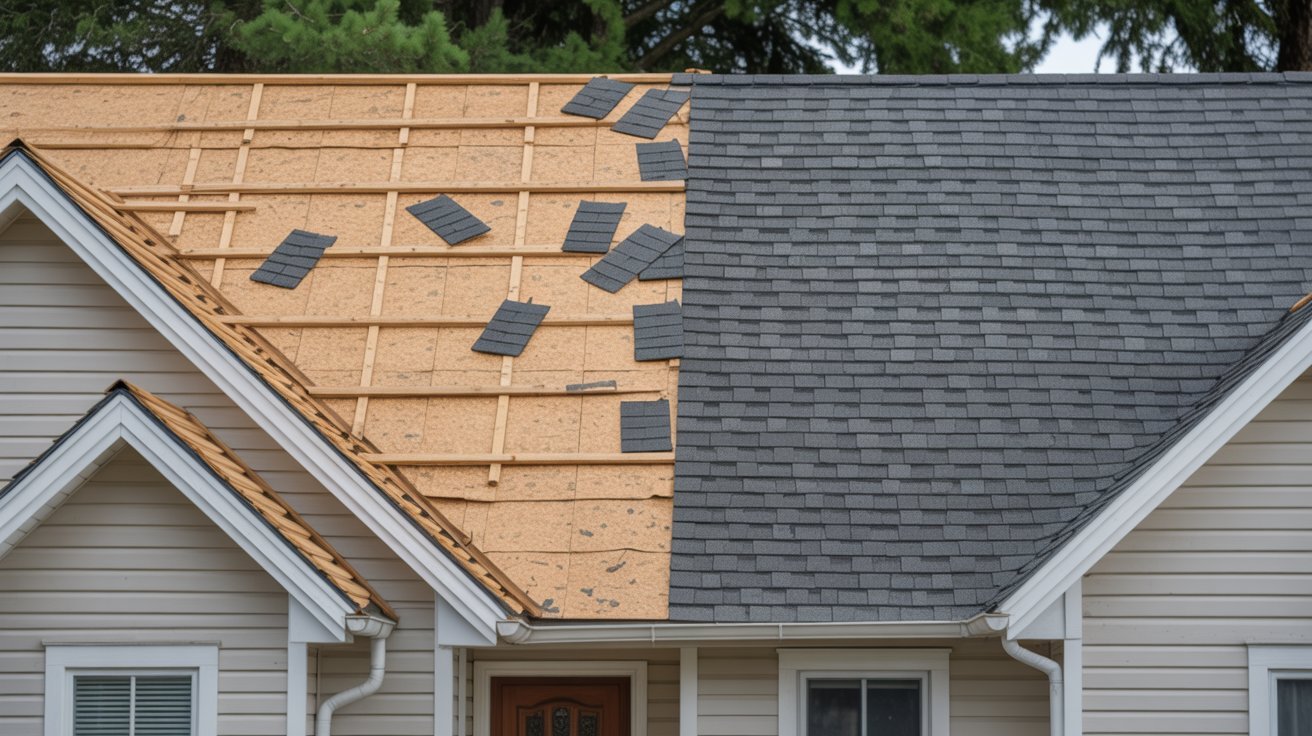
Roof repair means fixing a specific area of damage: a few missing shingles, a small leak, or a patch of rot. Roof replacement means removing the entire existing roof and starting fresh. It costs more but lasts far longer.
Repair works best when damage is localized and the roof is still new. Replacement makes more sense when damage is widespread or problems keep coming back.
Roof Repair vs Replacement: Cost Comparison
Repairs cost less upfront, but replacement saves more money over time.
| Factor | Roof Repair | Roof Replacement |
|---|---|---|
| Cost Range | $350 to $7,000 | $8,000 to $25,000+ |
| Cost Per Sq Ft | $3 to $20+ | $3 to $20+ |
| Labor Cost | 40 to 60% of the total | 40 to 60% of the total |
| Permit Fees | $150 to $500 | $150 to $500 |
| Warranty | Rarely | Yes |
| Long Term Value | Lower | Higher |
Roof Repair vs Replacement: Key Factors to Consider
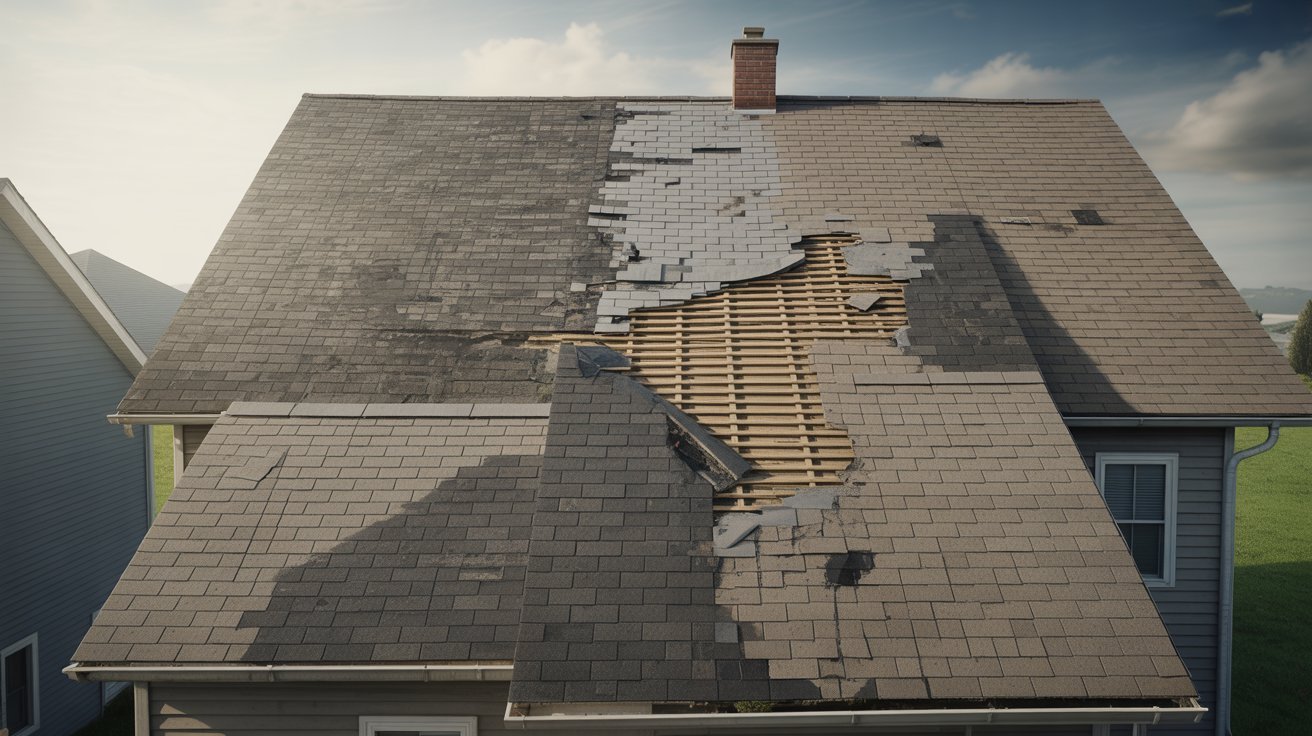
Before you make any decision, a few key factors will point you in the right direction.
Age of the Roof
Asphalt shingles last 20 to 30 years, metal roofs 40 to 70 years, and tile or slate over 50 years. If your roof is close to the end of its lifespan, repair may not be worth it. Replacement will likely make more financial sense.
Extent of Damage
Minor damage like cracked shingles, a small leak, or lifted flashing can be fixed with targeted repairs. But widespread shingle loss, decking rot, sagging, or multiple leaks usually calls for a full replacement. The more surface area affected, the stronger the case for replacing.
Roof Repair vs Replacement Signs
A few missing shingles, a single leak, or minor granule loss are signs you may need a repair. A sagging deck, widespread mold, multiple leaks, or shingles falling off in chunks are signs you likely need a replacement. If you’re spotting several of these at once, call a professional.
Climate and Weather Impact
Heavy snow, strong winds, and frequent hailstorms speed up roof wear. In areas like Delaware, storm damage is a top reason for early replacement. If your region sees extreme weather regularly, factor that into your long-term plan.
Budget and Long-Term Value
Repairs cost less upfront, but patching the same roof year after year adds up fast. Replacement costs more initially but comes with a warranty and fewer maintenance calls.
Hidden costs like contractor fees and uncaught water damage can make frequent repairs far more expensive than they appear.
Roof Repair vs Replacement Cost Comparison
Costs vary based on material, damage, and location here’s what to expect.
Roof Repair vs Replacement Cost
Minor repairs typically range from $350 to $1,500. More extensive repairs can run between $1,500 and $7,000. A full replacement costs between $8,000 and $25,000 for most homes, with larger homes or premium materials pushing that higher.
Roof Repair vs Replacement Cost Breakdown
Asphalt shingles are the most affordable material at $3 to $6 per square foot. Metal roofing runs $7 to $14, and tile or slate can reach $10 to $20 or more.
Labor accounts for 40 to 60 percent of the total cost, and permits usually add $150 to $500. If structural damage is found once work begins, build a buffer into your budget.
When Roof Repair Is the Better Option
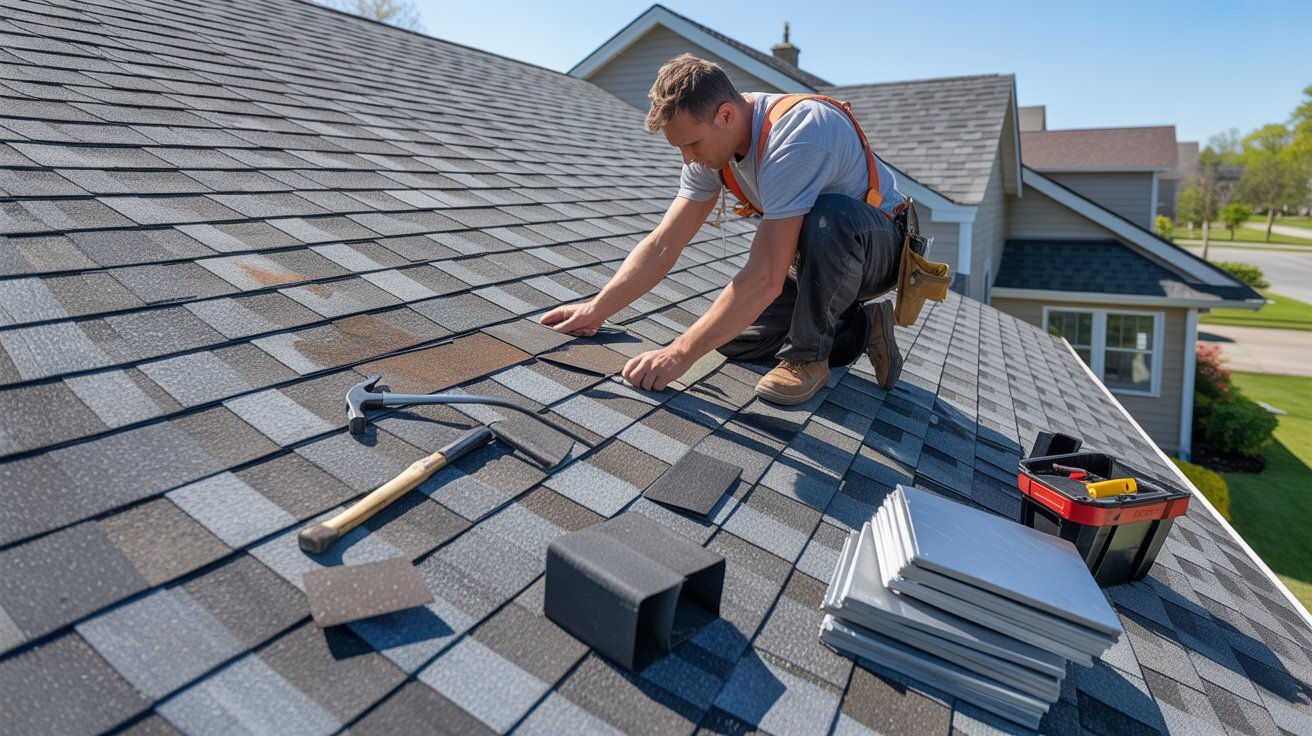
Repair makes sense when the damage is limited and your roof still has years of life left.
It’s the right call when damage is small and isolated, your roof is under 10 to 15 years old, and the structure underneath is solid.
It also works if you’re on a tight budget or need a short-term fix while saving for a full replacement.
When Roof Replacement Is the Better Option
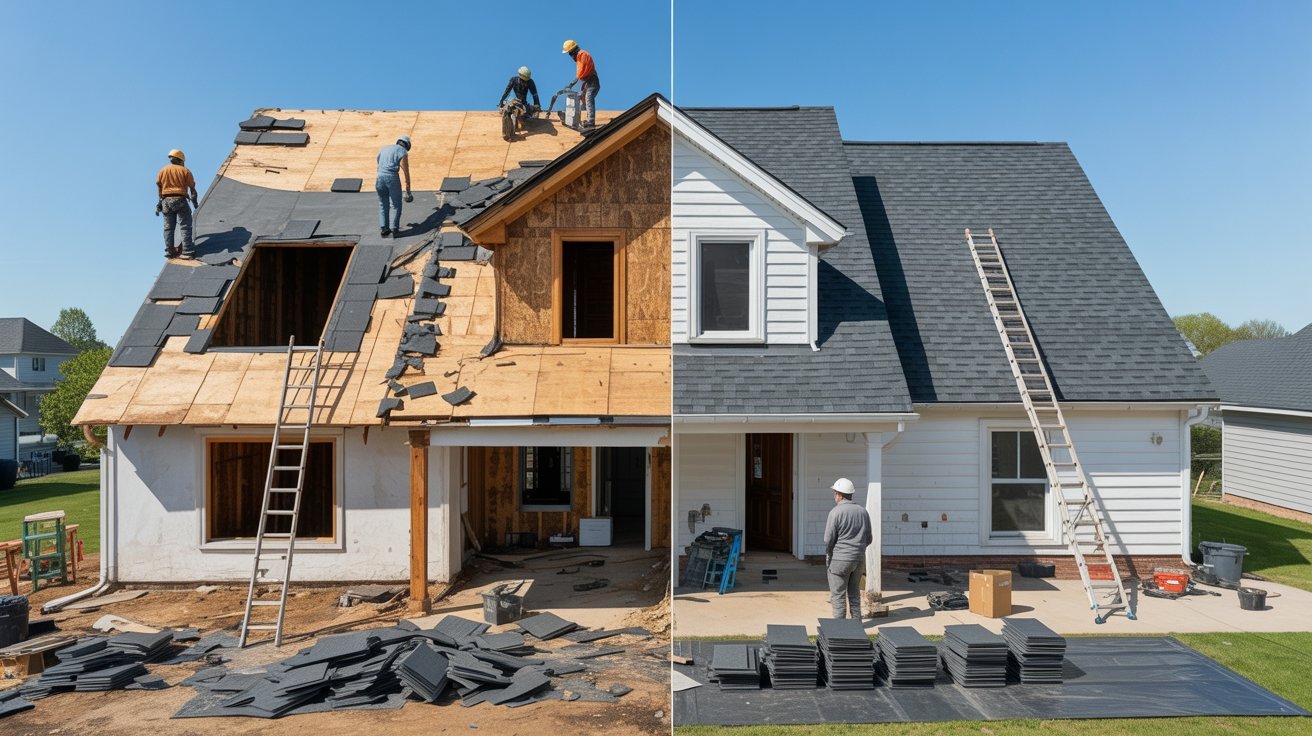
Sometimes patching just isn’t enough; a full replacement is the only long-term solution.
Replacement makes more sense when your roof is 20 years or older, damage covers more than 30 percent of the surface, or leaks keep coming back after repairs.
Structural issues like sagging or rotted decking are also clear signs. If you’re planning to sell, a new roof can boost buyer confidence and directly impact your asking price.
Roof Repair vs Replacement: Which Is Better Value?
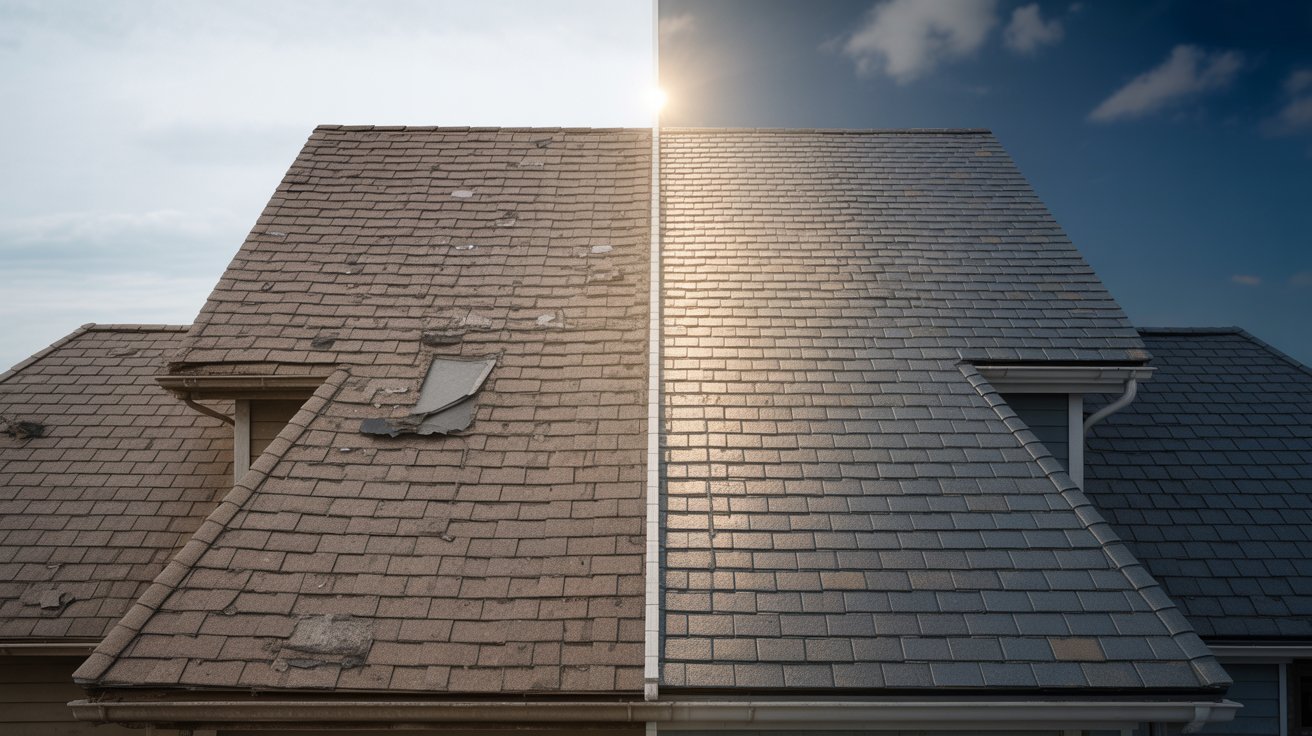
When you look at the full picture, the better value depends on where your roof stands right now.
A $1,500 repair on a 25-year-old roof may only buy you a year or two, while a $15,000 replacement gives you 25 to 30 more years. Most homeowners also recoup 60 to 70 percent of replacement costs in added home value.
Newer materials improve insulation and lower energy bills, while older roofs with gaps cost you money every month. When your roof is near the end of its life, replacement is almost always the smarter financial move.
Pros and Cons of Roof Repair vs Replacement
Both options have real trade offs here’s an honest look at each side.
Pros and Cons of Roof Repair
Repair costs less upfront and is usually done in a day or two. It’s a solid option when damage is minor and your roof still has life left.
That said, it’s a temporary fix. New shingles may not match in color, problems can return, and multiple repairs over time can end up costing more than one replacement.
Pros and Cons of Roof Replacement
Replacement gives you a full lifespan, better protection, and improved curb appeal. It adds real value if you plan to sell.
The trade-off is a higher upfront cost, a longer project timeline, and some disruption during installation.
Expert Tips to Choose Between Roof Repair and Replacement
A few smart steps can save you from making a costly mistake.
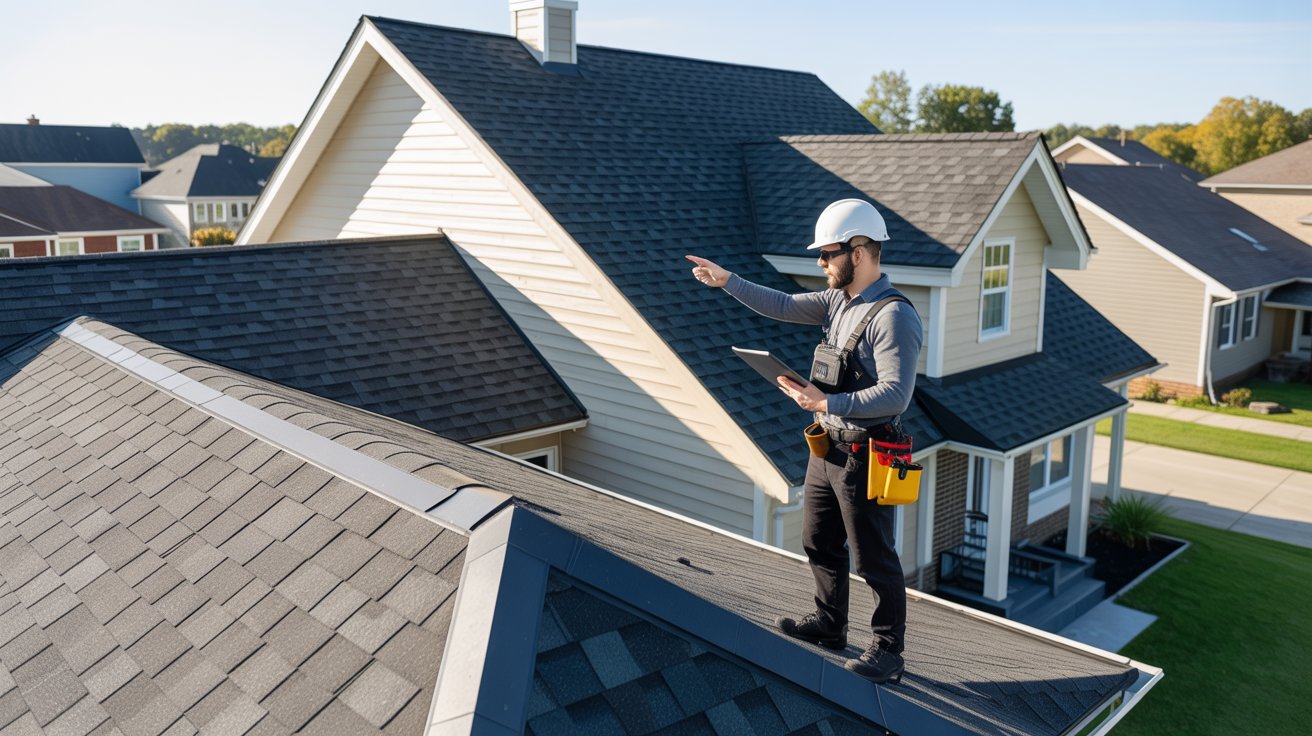
- Get a professional inspection before making any decision. A trained roofer can spot damage you’d never notice from the ground.
- Compare at least three quotes from different contractors. Prices and recommendations can vary widely.
- Think about your plans. If you’re selling in two years, a full replacement may bring better returns. If you’re staying for 20 more years, it’s definitely worth it.
- Don’t put off necessary repairs. Small leaks can turn into major structural damage fast.
- Ask about warranties on both repairs and replacement materials. A solid warranty protects your investment.
Conclusion
I’ve been through the stress of roof decisions myself, and I know how overwhelming it feels to not know where to start.
Repairs work well when damage is minor and your roof is still young. But if your roof is aging and problems keep coming back, replacement is the smarter move. When in doubt, get a professional assessment.
Did this help? Drop a comment below, share it with a neighbor, or check out our other home improvement guides!
Frequently asked questions
Is roof repair or replacement the better choice?
It depends on the age of your roof, how much damage there is, and what your budget looks like. A professional inspection will give you the clearest answer.
How much does roof repair vs replacement cost in 2026?
Repairs typically range from $350 to $7,000, depending on the size of the issue. A full replacement usually runs between $8,000 and $25,000 based on materials and home size.
What are the signs that you need a full roof replacement?
Look for sagging sections, widespread leaks, shingles falling off in large areas, mold in the attic, and a roof that’s over 20 years old.
Are frequent roof repairs a sign that I need a replacement?
Yes. If you’re calling a roofer every year for the same problems, the total cost of repairs will likely exceed what a replacement would have cost you.
Does a new roof increase home value?
It does. A new roof is one of the top home improvements for resale value, and buyers tend to pay more for homes that won’t need major work right after purchase.