Radon is a silent risk in many homes. Most people only think about it after a test comes back high. I’ve been there, and I know how confusing the cost side of things can get.
This article breaks down the cost to install a radon mitigation system from start to finish. I’ll cover installation prices, monthly running costs, what drives the price up or down, and simple tips to keep your budget in check.
I’ve researched this topic carefully so you don’t have to guess your way through it. Let’s get into it.
Cost to Install Radon Mitigation System
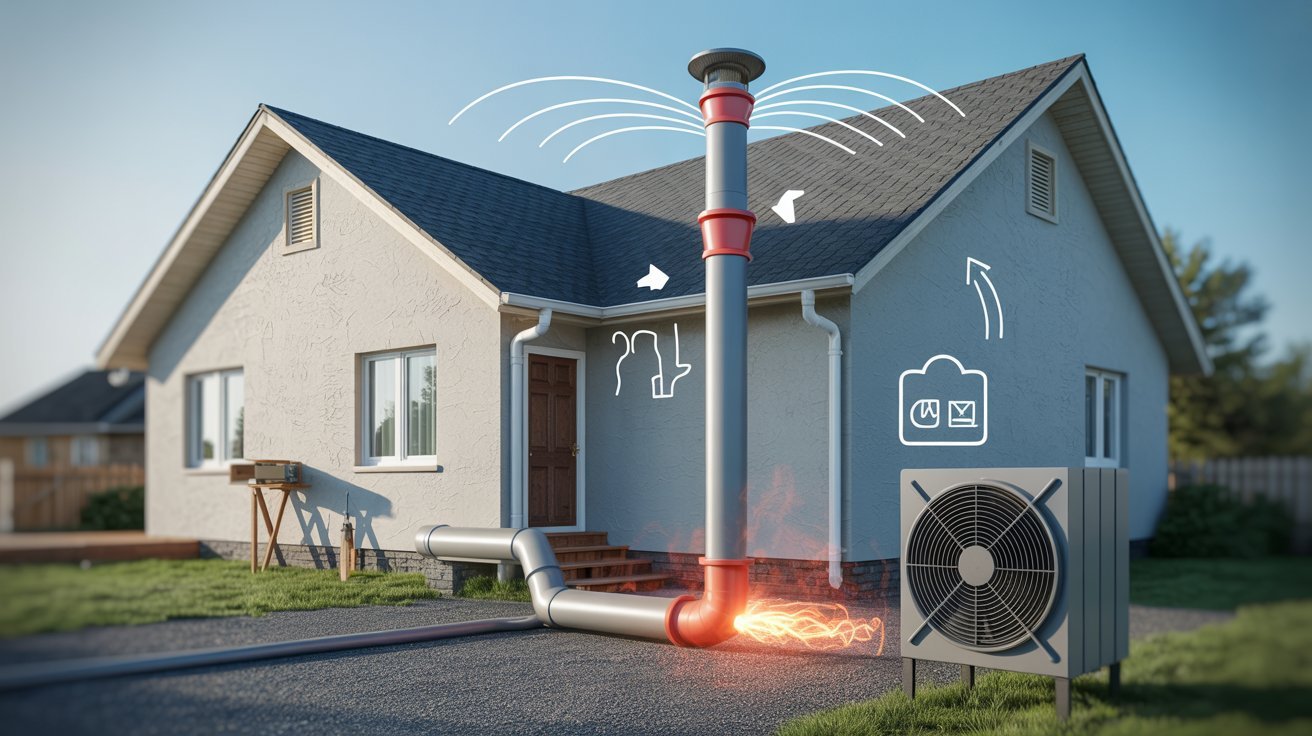
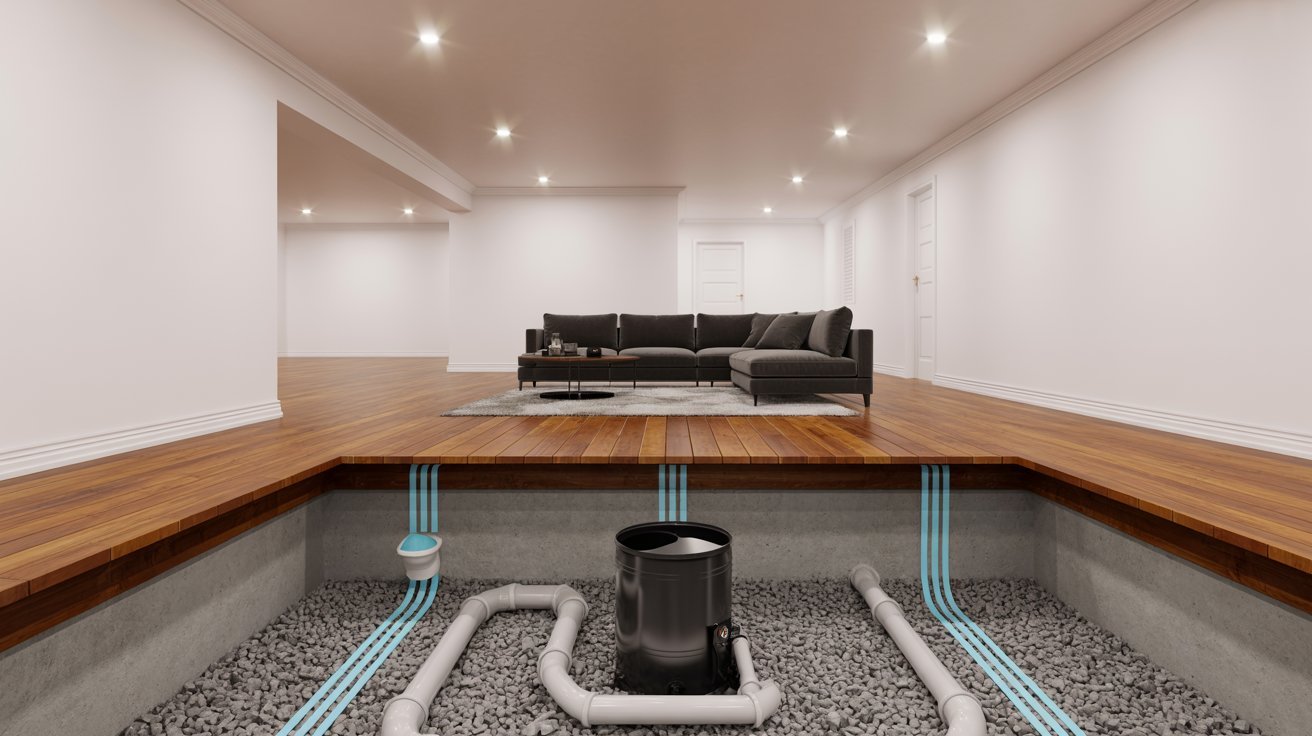
Most homeowners pay between $800 and $2,500 to install a radon mitigation system. The most common setup, sub-slab depressurization, usually runs $1,000 to $1,500 for a standard home.
The national average sits around $1,200, but that shifts based on your location, home type, and contractor. States in the Northeast tend to run higher, while Midwest installs often cost less.
Basic slab installs start around $800. Complex jobs with multiple suction points can hit $2,500 or more. Post-install testing adds another $25 to $150 on top.
Cost to Install Radon Mitigation System by Type and Home
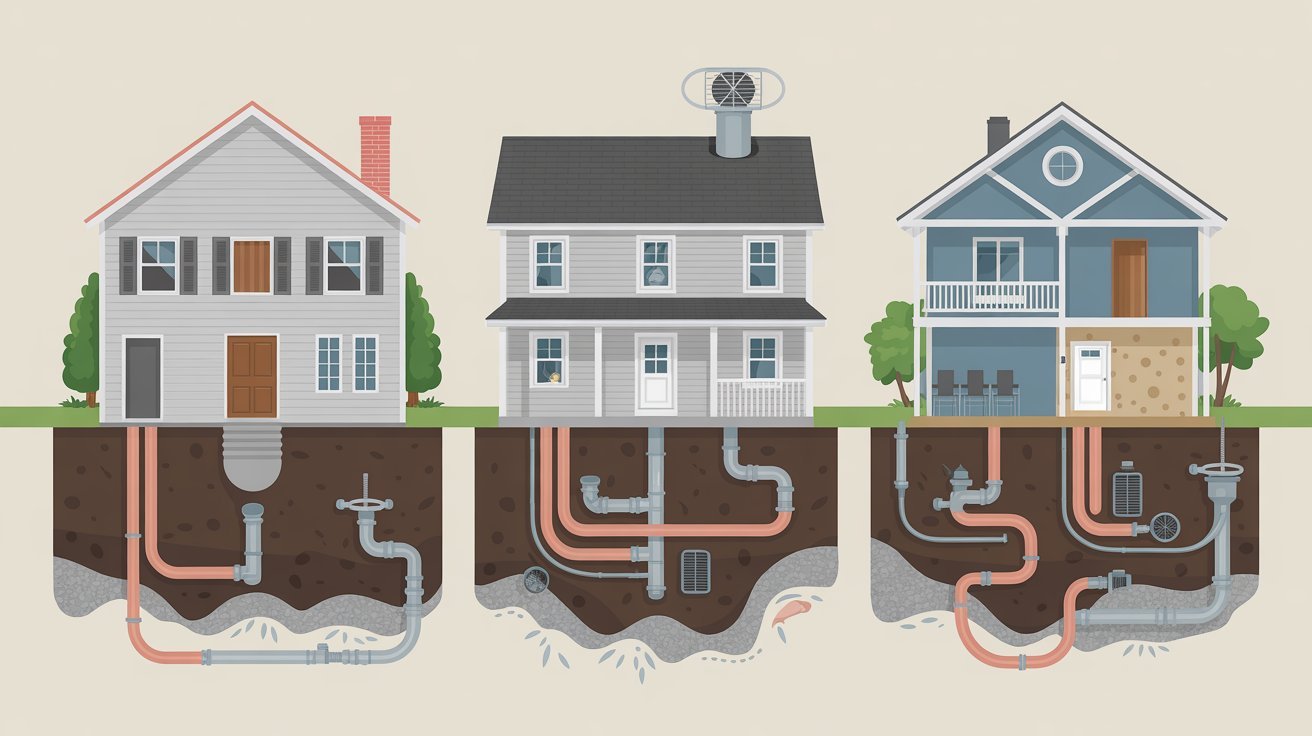
Prices vary a lot by system type and home structure. Here’s what you need to know.
| Category | Type/Detail | Cost Range |
| System Type | Sub-Slab Depressurization (ASD) | $900 – $2,000 |
| System Type | Crawl Space Encapsulation + Fan | $1,500 – $3,000 |
| System Type | Natural Ventilation | Under $500 |
| Foundation Type | Basement | $1,000 – $2,000 |
| Foundation Type | Slab-on-Grade | $800 – $1,500 |
| Foundation Type | Crawl Space | $1,200 – $3,000 |
| Home Size | Small (1 suction point) | Base price |
| Home Size | Large/Multi-level (extra points) | +$500 – $1,000 each |
Factors That Affect the Cost to Install Radon Mitigation System
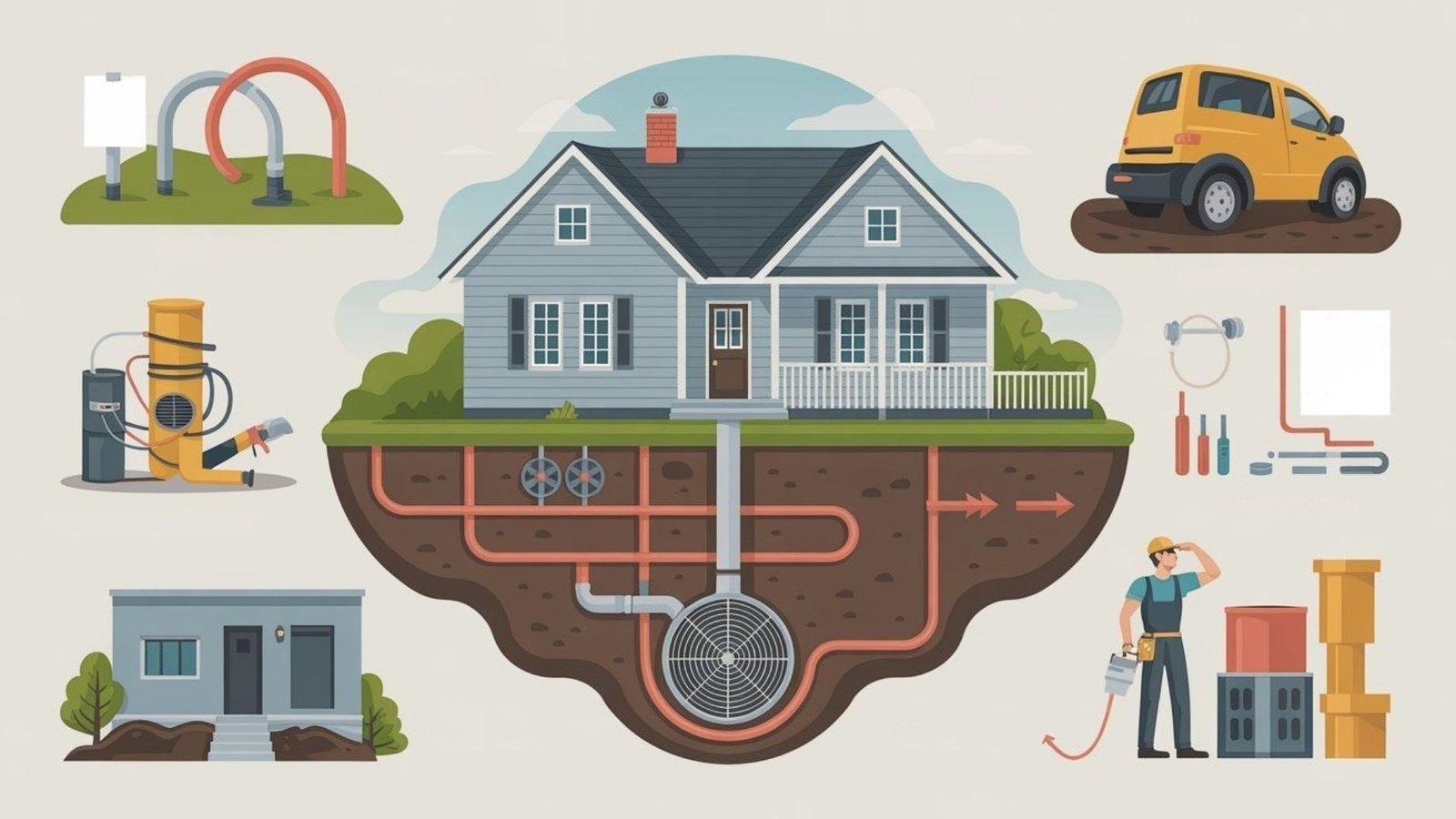
Several things can push your installation price higher or lower. These are the biggest ones.
Location and Labor Costs in the US
Where you live makes a big difference. Contractor rates vary by state and even by city. Urban areas with a higher cost of living generally charge more for labor. In some rural areas, you may also have fewer contractors available, which affects pricing.
Accessibility and Installation Difficulty
If your crawl space is tight, your utility room is cramped, or the contractor needs to route pipes through finished walls, expect to pay more. Easy-access installs take less time, which means lower labor costs.
Permits, Testing, and Inspection Costs
Some states require a permit for radon mitigation work. Permits usually run $50 to $200. Pre- and post-installation testing adds another $25 to $150 per test. Some contractors bundle this in their pricing, so always ask upfront.
Age and Condition of the Property
Older homes with cracked foundations or deteriorating materials may need repairs before installation. These repairs aren’t always predictable until the contractor does a walkthrough. Budget for a small contingency in case something unexpected comes up.
Monthly Cost of a Radon Mitigation System
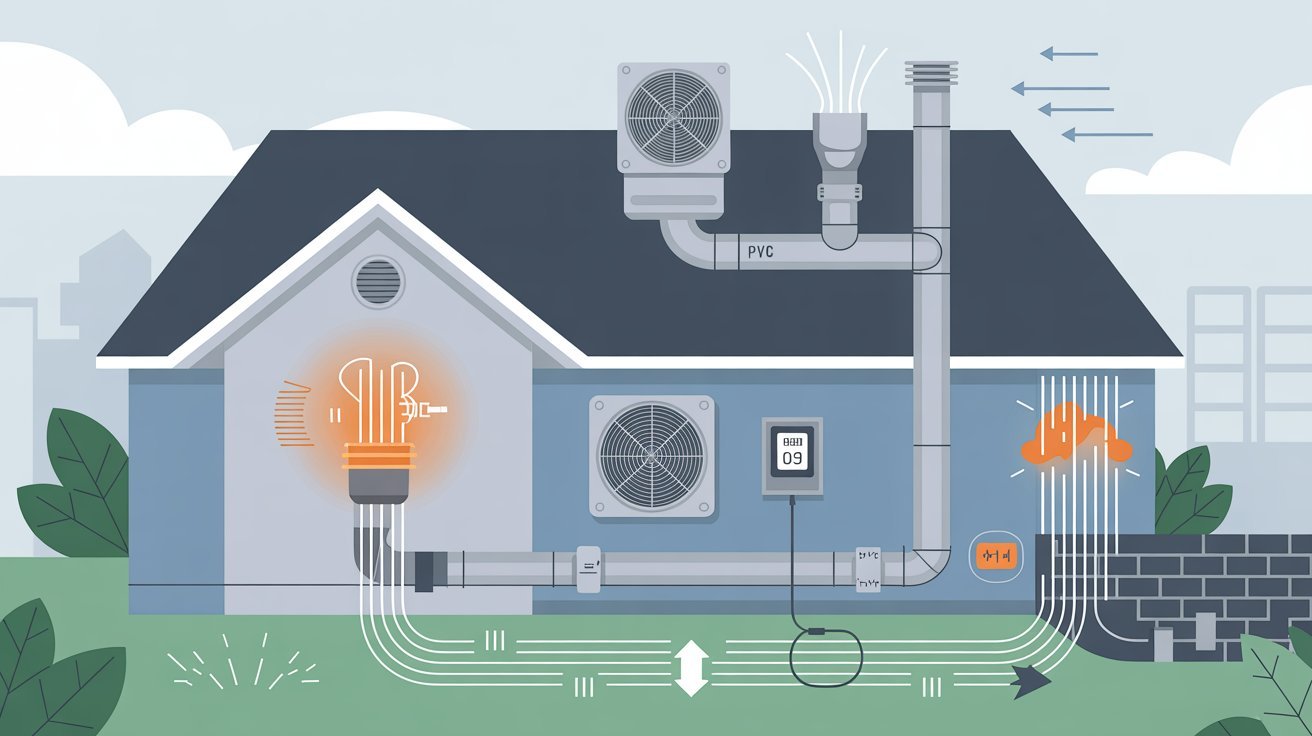
Running a radon system does add to your monthly bills, but it’s not as high as most people fear.
Electricity Cost of Running the System
The fan in a radon mitigation system runs 24/7. Most fans use between 20 to 90 watts. At average US electricity rates (about $0.13 per kWh), this works out to roughly $2 to $10 per month.
Lower-wattage fans are worth the investment. They do the same job at a fraction of the energy cost.
Heating and Cooling Energy Loss Costs
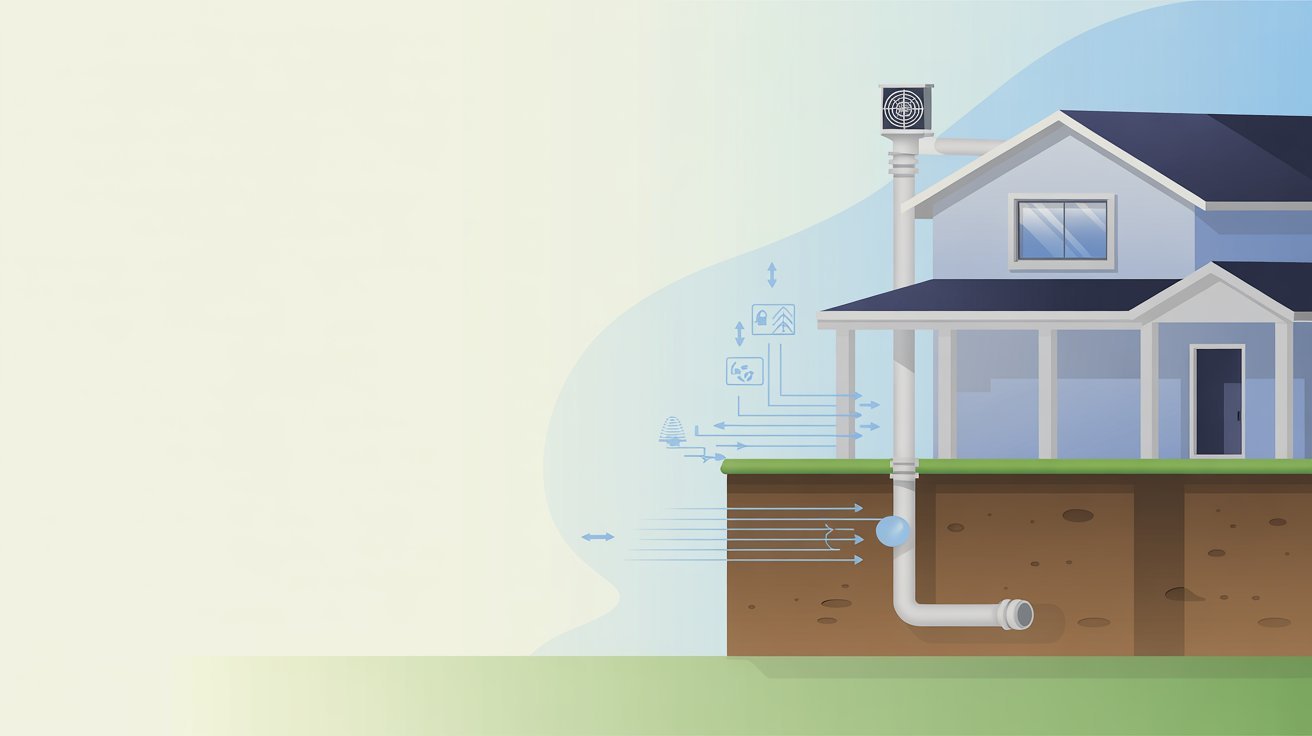
Radon systems vent air from below your home. In winter, this can draw some conditioned air out, slightly increasing heating costs.
Estimates put this added cost at $10 to $50 per year depending on your climate and how well your home is sealed.
Sealing foundation cracks before installation reduces this effect.
Total Monthly Cost Estimate
Realistically, most homeowners pay $5 to $15 per month to operate a radon mitigation system. That’s a small price compared to the health risk radon poses over time.
Long-Term Cost of Installing a Radon Mitigation System
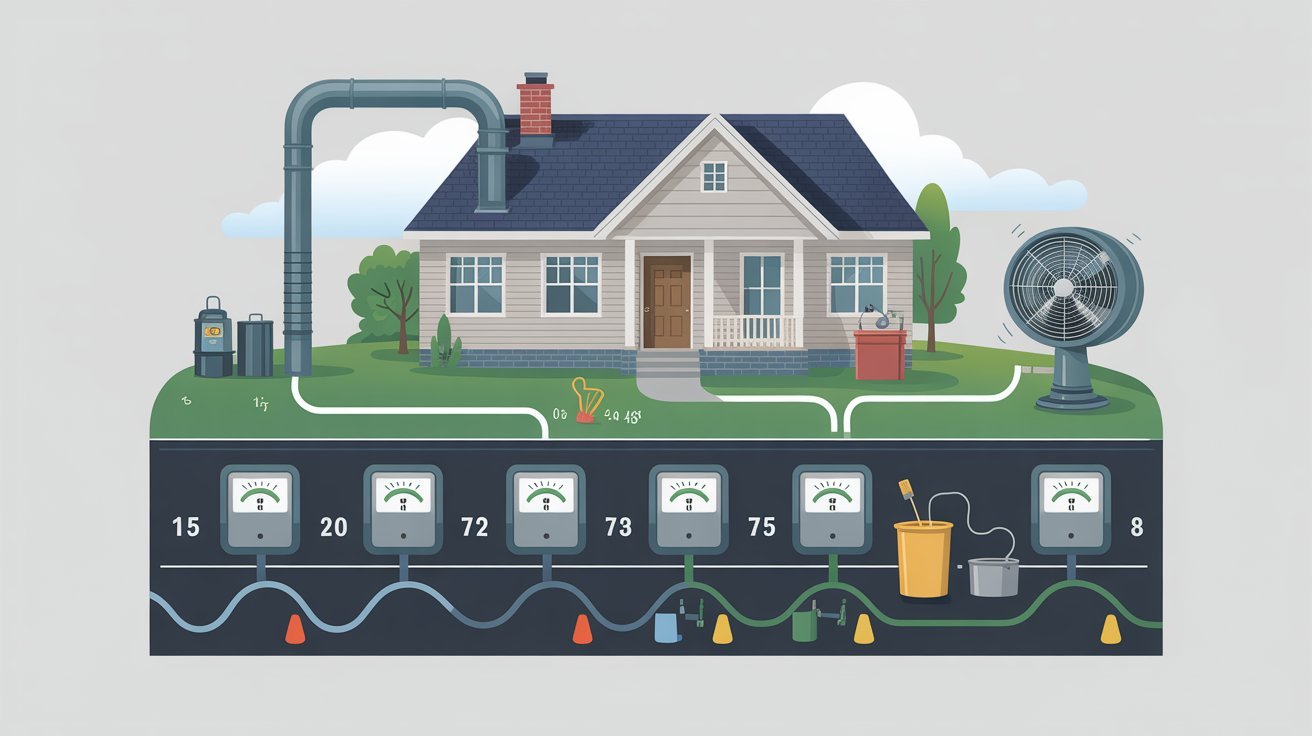
Thinking beyond installation? Here’s what the ongoing costs look like over time.
Annual Operating Costs
Add up electricity and minor energy loss, and the average annual operating cost lands around $60 to $180 per year. Most systems run reliably for years with very little maintenance.
Fan Replacement and Maintenance Expenses
Radon fans typically last 5 to 10 years before needing replacement. A replacement fan costs $100 to $300, plus installation if you hire a pro. Some homeowners replace it themselves if they’re comfortable doing so.
Annual check-ins are simple: look at the manometer (a small gauge on the pipe) to confirm suction is active.
10-Year Total Cost Breakdown
Here’s a rough estimate for a typical home over 10 years:
- Installation: $1,200
- Electricity (10 years): $600 to $1,200
- One fan replacement: $150 to $300
- Testing (every 2 years): $150 to $300
Total: roughly $2,100 to $3,000 over 10 years. That averages out to about $17 to $25 per month.
Tips to Reduce the Cost to Install Radon Mitigation System
A few smart moves can bring your total cost down without cutting corners on safety.
- Seal foundation cracks first – visible cracks in walls and floors can increase the number of suction points needed, which raises your install cost.
- Insulate your home well – a sealed, insulated home loses less air through the radon system, keeping monthly energy costs lower.
- Pick the right system size – not every home needs a complex setup. A single-point system or smaller fan may do the job just fine.
- Get at least three quotes – prices vary by hundreds of dollars for the same work. Always compare before you commit.
- Ask what’s included – confirm if testing, permits, and post-install checks are covered in the quote before signing anything.
Conclusion
Installing a radon mitigation system is one of those home investments that genuinely pays off. Installation runs $800 to $2,500, monthly costs stay around $5 to $15, and the 10-year total lands near $2,100 to $3,000.
Honestly, when I looked into the cost to install a radon mitigation system for my own home, the monthly number was way lower than I expected.
The upfront cost feels big, but the long-term math is solid. Your family’s health is worth every dollar. Have questions or want to share what you paid? Drop a comment below!
Frequently Asked Questions
Is it worth installing a radon mitigation system?
Yes, absolutely. Radon is the second leading cause of lung cancer in the US. The installation cost is low compared to the long-term health protection it provides.
How long does it take to install a radon mitigation system?
Most installations take 3 to 5 hours. More complex setups with multiple suction points may take a full day.
Can I install a radon mitigation system myself?
DIY kits exist, but most experts recommend hiring a certified contractor. Improper installation can make radon levels worse or create new issues in your home.
How often should I test for radon after installation?
It’s a good idea to test every 2 years. You should also test after any major renovation or if you move into a new home.
Does homeowner’s insurance cover radon mitigation costs?
Most standard homeowner’s insurance policies do not cover radon mitigation. It’s considered a preventive home improvement, not a covered loss.